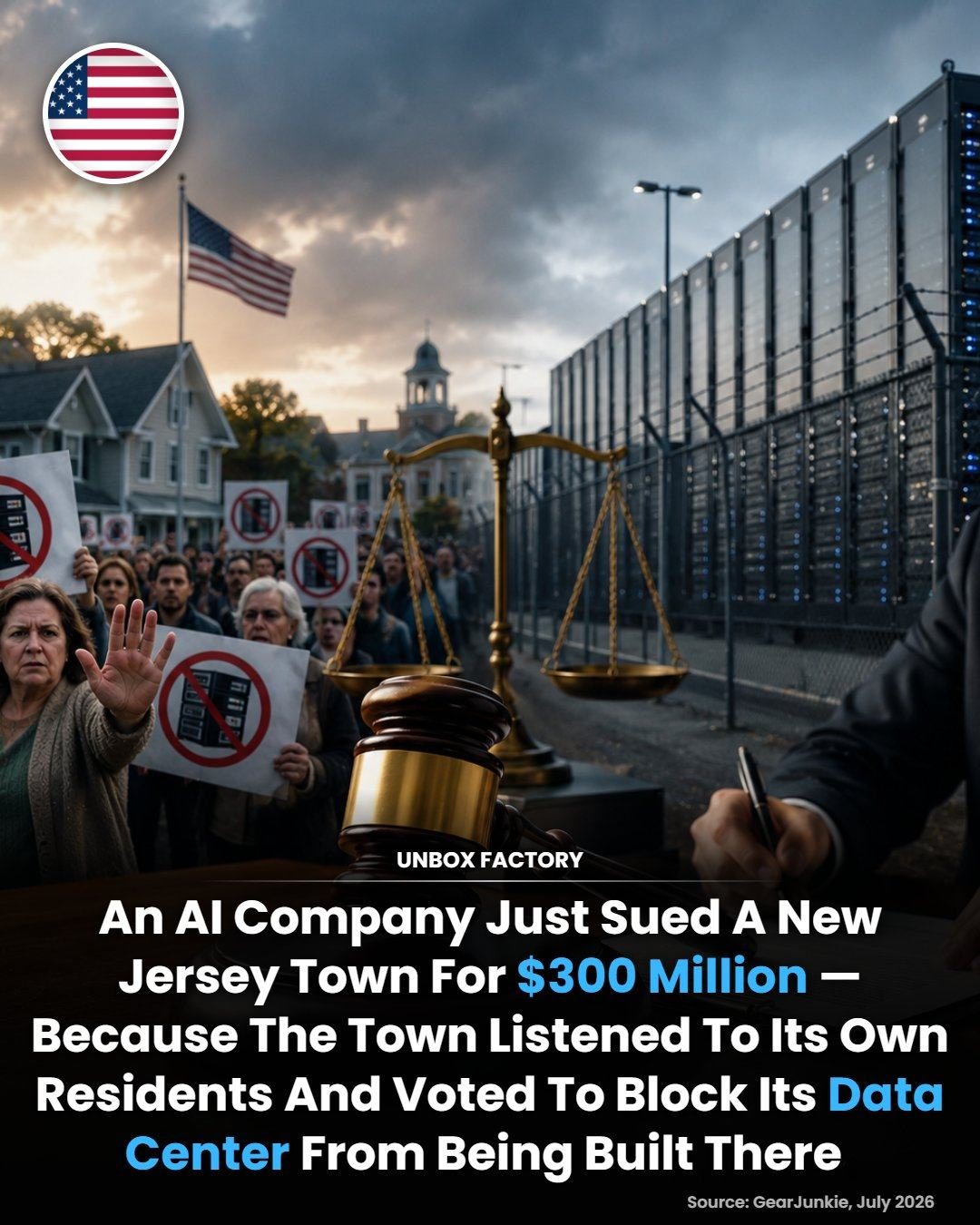
A $300 Million Lawsuit Pits AI Infrastructure Against Community Concerns
A New Jersey municipality is at the center of a contentious battle, with an AI infrastructure developer suing the town for $300 million. The lawsuit was filed after local officials voted to reject a proposed data center, following strong public opposition. The case underscores a rapidly growing national conflict between the expansion of AI infrastructure and the concerns of local communities.
Why This Matters
The proposed data center was met with significant resistance from residents who expressed concerns about the potential impacts on their community. These included electricity demand, water consumption, industrial noise, traffic, environmental impacts, and changes to neighborhood character. As AI infrastructure continues to grow, similar conflicts are likely to arise in other towns and counties across the nation.
Modern hyperscale AI data centers require enormous amounts of resources. Estimates show that these facilities can demand between 500 megawatts and more than 1 gigawatt of electricity, while consuming millions of gallons of water daily for cooling. This high demand for resources has led many towns and counties to tighten zoning rules or temporarily halt new projects.
The Conflict: AI Infrastructure vs. Community Concerns
The Proposed Data Center
The AI infrastructure developer proposed building a data center in a New Jersey town, aiming to support the growing demand for AI services. However, the proposal faced immediate resistance from local residents. Many were concerned about the potential strain on local resources, particularly electricity and water.
Resident Concerns
Residents voiced several critical concerns about the proposed project:
- Electricity Demand: Data centers consume vast amounts of electricity, which could lead to higher utility costs and potential power shortages for residents.
- Water Consumption: The cooling systems in data centers require enormous amounts of water, which could impact local water supplies and increase water costs.
- Industrial Noise: The constant operation of data center equipment can generate significant noise, disrupting the peace and quiet of residential areas.
- Traffic: Increased traffic from construction and delivery vehicles can lead to congestion and safety hazards in the community.
- Environmental Impacts: The construction and operation of data centers can have environmental impacts, including emissions, waste, and habitat disruption.
- Neighborhood Character: The industrial nature of data centers can alter the character of residential neighborhoods, affecting property values and quality of life.
Local Government's Response
Local officials listened to the concerns of their residents and voted to reject the proposed data center. This decision was influenced by the potential impacts on the community and the desire to maintain the current quality of life for residents.
Practical Tips for Communities Facing Similar Decisions
If your community is facing a similar proposal, here are some steps you can take:
Engage with Local Officials
Engage with local officials early in the process. Attend town meetings, voice your concerns, and request detailed information about the proposed project. Ask about the potential impacts on local resources, the environment, and the community.
Organize Community Meetings
Organize community meetings to discuss the proposal and gather input from residents. This can help ensure that all voices are heard and that concerns are addressed collectively.
Seek Expert Opinions
Seek expert opinions on the potential impacts of the proposed project. This can include environmental experts, energy specialists, and urban planners who can provide insights into the long-term effects of the project.
Review Zoning Laws and Regulations
Review local zoning laws and regulations to understand the legal framework for such projects. This can help you identify any avenues for opposition or negotiation.
Important Takeaways
- AI infrastructure expansion is leading to conflicts with local communities.
- Residents' concerns about resource demand, environmental impacts, and neighborhood character are valid and should be addressed.
- Community engagement and expert consultation are crucial in decision-making processes.
- Local governments have a critical role in balancing development needs with community interests.
Conclusion
The lawsuit filed by the AI infrastructure developer against the New Jersey municipality highlights a broader national conflict. As AI infrastructure continues to grow, more towns and counties will face similar challenges. It is essential for communities to engage early, voice their concerns, and work with local officials to find solutions that balance development needs with community interests. By doing so, communities can ensure that the expansion of AI infrastructure is managed sustainably and responsibly.
Watch the Reel
Questions readers ask
What is the main reason behind the $300 million lawsuit filed by the AI company against the New Jersey town?
The AI company is suing the New Jersey town for $300 million after local officials rejected a proposed data center. The rejection followed strong public opposition, leading to the contentious legal battle.
What were the primary concerns raised by the residents against the proposed data center?
Residents expressed several concerns, including increased electricity demand, higher water consumption, industrial noise, traffic congestion, environmental impacts, and changes to the character of their neighborhood.
How does this lawsuit reflect a national trend?
The lawsuit highlights a growing national conflict between the expanding needs of AI infrastructure and the well-being of local communities. This tension is playing out in various forms across the country as AI companies seek to build more data centers to support their operations.
What specific impacts on the environment and community were cited by opponents of the data center?
Opponents of the data center cited several potential impacts, including increased electricity demand, higher water consumption, industrial noise, and traffic congestion. They also expressed concerns about changes to the neighborhood's character and potential environmental effects.
What steps can AI companies take to address community concerns when proposing new data centers?
AI companies can engage with local communities early in the planning process to address concerns. This might include conducting thorough environmental impact assessments, proposing mitigation strategies, and offering community benefits to offset the negative impacts of the data center.
How might the outcome of this lawsuit affect future AI data center projects in other areas?
The outcome of this lawsuit could set a precedent for how future disputes between AI companies and local communities are handled. It may influence the strategies that both parties use in negotiating the development of new data centers.
What are the potential long-term implications of the resource demands of AI data centers on local communities?
The long-term implications include increased strain on local resources such as electricity and water, as well as potential environmental degradation. These factors can impact the quality of life for residents and place additional burdens on local infrastructure.
Related deep dives
Similar reads based on topic and creator.




Recent articles
Fresh deep dives from the latest Reels we unpacked.



Comments
Be the first to comment.