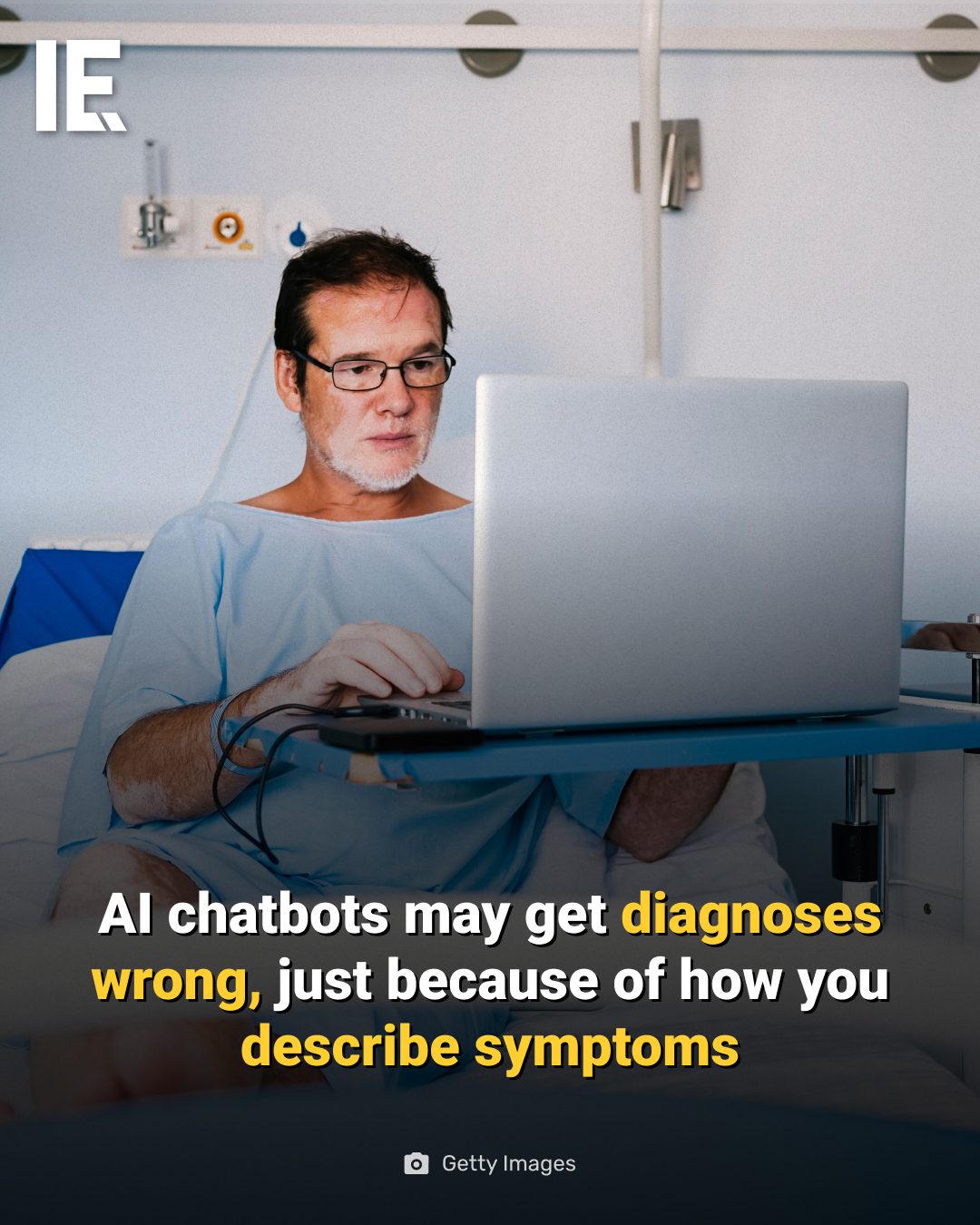
AI Diagnosis Concerns: How Symptom Description Affects AI Accuracy in Healthcare
AI chatbots are increasingly being utilized in healthcare to assist with diagnosing medical symptoms. However, a new study has shed light on a significant challenge: these systems often underperform not due to a lack of knowledge, but because they struggle to interpret how patients describe their symptoms in everyday language.
Context / Why this matters
The findings of this study are crucial for understanding the real-world application of AI in healthcare. As AI chatbots become more integrated into medical diagnoses, it's essential to recognize the nuances that can affect their accuracy. This isn't just about the information patients provide, but also about how that information is expressed.
Main discussion
The Role of Symptom Description
AI chatbots can make incorrect diagnoses based on how symptoms are described. This means that the way a patient phrases their symptoms can significantly impact the accuracy of the AI's diagnosis. For instance, describing a symptom as "a burning sensation" versus "a sharp, intense pain" might lead to entirely different diagnoses, despite both descriptions referring to the same underlying condition.
The Impact of Everyday Language
The study highlights that AI chatbots rely heavily on how information is expressed. This means that the nuances of everyday language can be a double-edged sword. While it makes communication more accessible, it also introduces variability that AI systems struggle to interpret accurately. For example, a patient might describe a symptom as "achy" instead of "painful," which could lead to a misdiagnosis.
Communication and Context
The findings suggest that real-world use of AI in healthcare still faces significant challenges in communication, context, and interpretation. This isn't just about the vocabulary used, but also about the context in which symptoms are described. For example, a symptom described in the context of a weekend activity might be understood differently than if described in a work-related scenario, which could affect the accuracy of the AI's diagnosis.
Practical Tips
For Health Professionals
Healthcare professionals can play a crucial role in bridging the gap between patient descriptions and AI interpretation. By encouraging patients to use consistent and detailed descriptions, professionals can help improve the accuracy of AI diagnoses. This might involve providing guidelines or checklists that patients can use to describe their symptoms clearly and consistently.
For AI Developers
Developers of AI chatbots can work on improving the systems' ability to interpret various forms of everyday language. This might involve training the AI on a broader range of symptom descriptions and contexts, as well as integrating natural language processing (NLP) techniques that can better understand the nuances of human communication. Additionally, incorporating feedback loops where the AI can learn from and adapt to patient interactions could enhance its diagnostic accuracy over time.
For Patients
Patients can also take steps to ensure that their symptoms are accurately interpreted by AI chatbots. Being as detailed and specific as possible when describing symptoms can help. It might also be beneficial to use medical terminology, if known, to provide a clearer picture of the symptoms being experienced.
Important Takeaways
Real-World Challenges
The study underscores the real-world challenges of integrating AI into healthcare. While AI chatbots offer significant potential to enhance diagnostics, their current limitations in interpreting everyday language and context must be addressed. This is not just about improving the technology, but also about understanding how patients and healthcare professionals can best work with these new tools.
The Need for Improved Communication
Improved communication between patients, healthcare providers, and AI systems is essential. This involves not only the technology but also the ways in which we interact with it. Clear, consistent, and detailed symptom descriptions can make a significant difference in the accuracy of AI diagnoses, highlighting the importance of effective communication in healthcare.
The Future of AI in Healthcare
The findings of this study offer a roadmap for the future of AI in healthcare. By addressing the limitations in interpreting everyday language and context, developers can create more accurate and reliable AI chatbots. Additionally, integrating these systems into healthcare workflows in a way that complements and enhances the expertise of healthcare professionals will be crucial.
Conclusion
AI chatbots hold immense potential for revolutionizing healthcare diagnostics. Yet, the current challenges in interpreting everyday language and context highlight the need for further development and integration strategies. By understanding and addressing these issues, we can harness the full potential of AI in healthcare, ensuring more accurate and reliable diagnoses for patients.
Watch the Reel
Questions readers ask
Why do AI chatbots in healthcare sometimes provide incorrect diagnoses?
AI chatbots may misdiagnose because they often struggle with the variability in how patients describe their symptoms. The same symptom can be expressed in many different ways, and AI systems can have difficulty interpreting these nuances, leading to inaccuracies in diagnosis.
How does the way a patient describes their symptoms impact AI diagnosis?
The wording a patient uses to describe their symptoms can significantly affect the AI's diagnostic accuracy. AI chatbots may misinterpret symptoms due to the intricacies of everyday language, leading to potential misdiagnoses.
What are some common issues that AI chatbots face when interpreting patient symptoms?
One of the main issues is the variability in how patients describe their symptoms. Additionally, AI chatbots can have difficulties understanding colloquial language, idioms, and regional dialects, which can further complicate the diagnostic process.
Can improving communication methods help reduce AI diagnostic errors in healthcare?
Yes, developing better communication methods can help ensure more accurate AI-driven diagnoses. This could involve creating standardized language for symptom descriptions, providing patients with guidelines on how to describe their symptoms, or improving AI algorithms to better understand everyday language.
Why is it important to address these AI healthcare communication challenges?
Addressing these challenges is crucial for enhancing the reliability of AI-driven healthcare tools. As AI chatbots become more integrated into medical diagnoses, it's essential to improve their ability to accurately interpret patient symptoms, ensuring better outcomes for patients.
What steps can be taken to improve AI chatbot accuracy in healthcare?
To enhance AI accuracy, healthcare providers can implement more robust natural language processing techniques, provide patients with clear guidelines on describing symptoms, and incorporate more diverse language datasets in AI training to better understand and interpret various ways of expressing symptoms.
How does the everyday language struggle of AI chatbots impact healthcare?
The challenge of interpreting everyday language can lead to misdiagnoses and inappropriate treatments. This issue highlights the need for better understanding and integration of natural language nuances to improve the reliability of AI-driven diagnostic tools in healthcare.
Related deep dives
Similar reads based on topic and creator.


Recent articles
Fresh deep dives from the latest Reels we unpacked.




Comments
Be the first to comment.