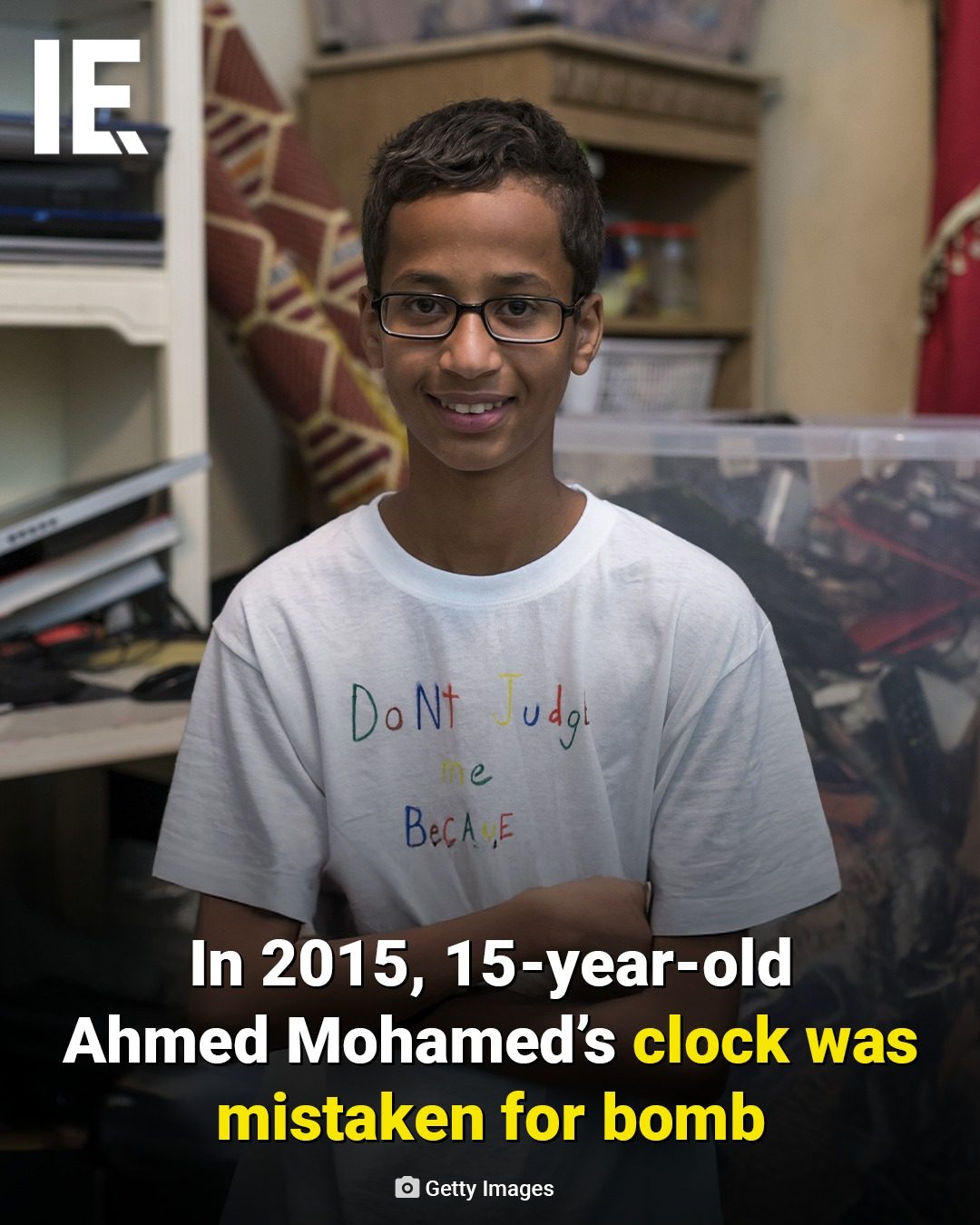
Ahmed Mohamed and the Homemade Clock Incident
In 2015, 15-year-old Ahmed Mohamed from Texas made headlines when he brought a homemade digital clock to school, only to be arrested after teachers mistook it for a bomb. The incident sparked a global conversation about bias, racial profiling, and how schools handle creativity.
Why This Matters
The story of Ahmed Mohamed is more than just a single event; it highlights broader issues within the educational system and society at large. The wrongful arrest of a young inventor brought attention to the challenges faced by students, particularly those from marginalized communities, when pursuing their interests in STEM fields. This case also underscored the importance of recognizing and nurturing creativity and innovation in young minds.
The Incident and Its Aftermath
The Day It Happened
Ahmed Mohamed, a 15-year-old student at MacArthur High School in Irving, Texas, had a passion for electronics and engineering. He built a digital clock using a circuit board and placed it in a small metal case. His goal was to impress his teachers and fellow students by showcasing his invention. Unfortunately, his homemade clock was mistaken for a bomb, leading to his arrest. The incident unfolded when an English teacher and later a school administrator misidentified the device. The teacher, who was later suspended, and other school officials, including the principal, reacted to the perceived threat.
Global Outcry
The arrest of Ahmed Mohamed sparked immediate outrage, both locally and internationally. The story quickly gained traction on social media, with many people questioning the rationale behind the arrest and the overreaction by school officials. The discussion expanded to include topics of racial profiling and how young inventors are often perceived. Ahmed, who wore a t-shirt saying "Don't Judge me Because," became a symbol of the challenges faced by young innovators in educational settings.
Public Figures and Advocacy
The case drew attention from various public figures and organizations. President Barack Obama, for instance, invited Ahmed to the White House, where he met with the president and other officials. Ahmed's experience also galvanized support from the scientific and tech communities. Top innovators and leaders in the field offered their support and encouragement, highlighting the importance of fostering creativity and innovation in young minds.
The Impact on Education
Changing Perspectives
The incident prompted many educators to reassess how they handle student inventions and creative projects. Schools began implementing measures to ensure that similar misjudgments do not occur in the future. This includes better training for teachers on recognizing and handling creative projects, particularly those in STEM fields.
Support for Young Inventors
The story of Ahmed Mohamed has inspired numerous initiatives aimed at supporting young inventors. Programs and competitions have been created to encourage creativity and innovation in schools. These efforts often focus on providing resources, mentorship, and recognition to young inventors, helping them navigate the educational system more successfully.
Practical Tips for Encouraging Young Inventors
Encourage Curiosity and Creativity
Parents and educators should foster environments where curiosity and creativity are celebrated. Encourage children to explore their interests, whether through science experiments, engineering projects, or other creative endeavors. Providing access to tools, materials, and resources can help young inventors develop their skills and ideas.
Promote Inclusive Learning Environments
Creating an inclusive learning environment is crucial for nurturing young inventors. Schools should ensure that all students feel valued and supported, regardless of their background or interests. Providing a safe space for experimentation and innovation can help students feel more confident in pursuing their passions.
Offer Mentorship and Support
Mentorship programs can play a significant role in supporting young inventors. Connecting students with mentors who have experience in their field of interest can provide valuable guidance and encouragement. Whether through formal mentorship programs or informal relationships, these connections can help young inventors navigate challenges and achieve their goals.
Advocate for Better Training
Schools and educators should be well-equipped to handle creative projects and inventions. Training programs focused on recognizing and supporting innovative thinking can help educators better understand how to support young inventors. This includes workshops, seminars, and training sessions that provide practical tips and strategies for fostering creativity in the classroom.
Important Takeaways
The story of Ahmed Mohamed serves as a reminder of the importance of recognizing and nurturing creativity and innovation in young minds. It highlights the challenges faced by young inventors, particularly those from marginalized communities, and the need for a more supportive and inclusive educational environment.
Conclusion
Ahmed Mohamed's experience underscores the need for a more nuanced approach to handling student inventions and creative projects. By fostering an inclusive learning environment, providing mentorship and support, and offering better training for educators, we can help young inventors thrive. This ensures that future generations of innovators are recognized and valued for their contributions, paving the way for a more creative and innovative world.
Watch the Reel
Questions readers ask
What was the homemade clock incident involving Ahmed Mohamed?
In 2015, Ahmed Mohamed, a 15-year-old student from Texas, brought a homemade digital clock to school. Teachers mistook the device for a bomb, leading to his arrest and sparking a global debate about bias and creativity in schools.
Why was Ahmed Mohamed arrested for his homemade clock?
Ahmed Mohamed was arrested because his teachers and the school administration mistook his homemade digital clock for a bomb. This misunderstanding resulted in his wrongful arrest and subsequent attention to the issue of racial profiling and bias in schools.
What impact did the Ahmed Mohamed clock incident have on global conversations?
The incident sparked a worldwide conversation about racial profiling, bias, and how schools should handle student creativity and innovation. It highlighted the challenges faced by students from marginalized communities when pursuing interests in STEM fields.
How did the public react to the arrest of Ahmed Mohamed?
The public reaction was largely supportive of Ahmed Mohamed. Many people, including prominent figures and organizations, criticized the school's handling of the situation and advocated for a more supportive environment for young inventors.
How old was Ahmed Mohamed during the 2015 clock incident?
Ahmed Mohamed was 15 years old when he was arrested for bringing a homemade digital clock to school in 2015. The incident occurred in Irving, Texas, and gained significant media attention due to its implications about racial profiling and student creativity.
What was the significance of the homemade digital clock incident in the broader context of STEM and schools?
The incident highlighted the broader issues of how schools handle student inventions and the challenges faced by students from marginalized communities in pursuing STEM interests. It underscored the need for recognition and nurturing of creativity and innovation in young students.
What happened to Ahmed Mohamed after the incident?
After the incident, Ahmed Mohamed received widespread support and invitations from various organizations and institutions. He appeared on television shows, received scholarships, and even met with President Obama, but he also faced controversies and criticism over his claims after the fact.
Related deep dives
Similar reads based on topic and creator.


Recent articles
Fresh deep dives from the latest Reels we unpacked.




Comments
Be the first to comment.