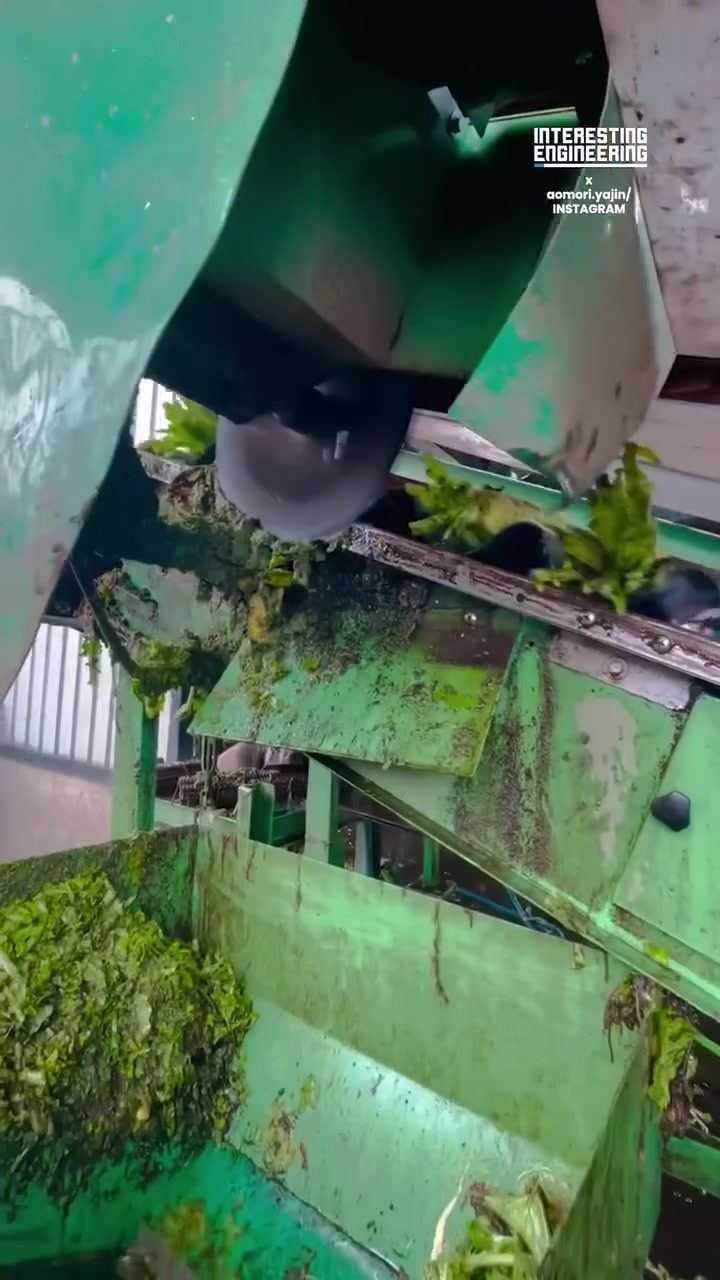
The Journey of a Radish from Farm to Table
Radishes are a staple in many cuisines, but have you ever wondered about the journey they take from the farm to your grocery shelf? The process involves a complex sequence of harvesting, cleaning, and sorting, often facilitated by advanced agricultural machinery. This machinery ensures that radishes are efficiently processed and ready for distribution.
Why This Matters
Understanding the journey from farm to table is crucial for appreciating the efficiency and innovation behind modern agriculture. The radish processing line demonstrates how technology plays a pivotal role in ensuring that produce reaches consumers in a timely and hygienic manner. This not only supports large-scale farming operations but also ensures that consumers receive high-quality products.
The Radish Processing Line
Harvesting and Initial Sorting
The process begins with freshly harvested Daikon radishes. These radishes are carefully collected from the fields and transported to the processing line. The radishes are initially sorted to remove any debris or damaged produce, ensuring only the best quality makes it through the line.
Conveyor Belt System
Once sorted, the radishes travel along a series of conveyors. This automated system is designed to move the radishes efficiently through various stages of processing. The conveyor belt system ensures that each radish is handled with precision, minimizing the risk of damage.
Leaf Removal and Cleaning
As the radishes move along the conveyor, they pass through a station where their leafy tops are automatically removed. This step is crucial for preparing the radishes for further processing and packaging. After the leaves are removed, the radishes are passed through rotating scrubbers and high-pressure water sprays. These mechanisms thoroughly clean the radishes, ensuring they are free from dirt and contaminants.
Sorting and Polishing
The cleaning process is followed by sorting and polishing. The radishes are inspected for size and quality, and any that do not meet the standards are removed. The remaining radishes are then polished to give them a uniform and appealing appearance. This step is essential for presentation and to meet consumer expectations.
Packaging for Distribution
The final step in the process is packaging. Workers carefully pack the cleaned, sorted, and polished radishes into boxes. These boxes are then sealed and prepared for shipment and distribution. The packaging process ensures that the radishes are protected during transit and arrive at their destination in optimal condition.
Practical Tips for Radish Processing
Efficient Harvesting Techniques
For those involved in radish farming, investing in efficient harvesting techniques can significantly improve productivity. Manual harvesting can be labor-intensive, so using specialized machinery can save time and reduce the risk of damage to the radishes.
Maintaining Hygiene
Hygiene is a critical aspect of radish processing. Ensuring that the machinery and the environment are clean can prevent contamination. Regular cleaning and maintenance of the equipment are essential for maintaining high standards of hygiene.
Quality Control
Implementing a robust quality control system is crucial for ensuring that only the best radishes make it to the market. Regular inspections and sorting can help identify and remove any damaged or inferior produce, maintaining the overall quality of the batch.
Important Takeaways
The radish processing line is a testament to the advancements in agricultural technology. From harvesting to packaging, each step is carefully designed to ensure efficiency, hygiene, and quality. This process not only supports large-scale farming operations but also ensures that consumers receive fresh and high-quality produce.
Conclusion
The journey of a radish from the soil to your grocery shelf is a fascinating process that involves a series of meticulously designed steps. From the initial harvesting and sorting to the final packaging and distribution, each stage is crucial for ensuring that radishes reach consumers in the best possible condition. Understanding this process provides a deeper appreciation for the innovation and efficiency behind modern agriculture, and the complex machinery that makes it all possible.
Watch the Reel
Questions readers ask
What types of machinery are typically used in radish harvesting?
Radish harvesting machines, such as undercutter harvesters and self-propelled harvesters, are commonly used. These machines efficiently lift radishes from the soil, minimizing damage and ensuring a high yield. They often include features like adjustable blades and conveyors to handle different soil types and radish varieties.
How does the radish cleaning process work?
After harvesting, radishes are conveyed to cleaning machinery, which uses a combination of water jets and brushes to remove dirt and debris. This step is crucial for maintaining radish quality and preparing them for the next stages of processing. The cleaning process also helps to reduce the risk of contamination during distribution.
What role does sorting technology play in the radish processing line?
Radish sorting technology is essential for quality control. Machines use sensors and cameras to automatically sort radishes by size, color, and shape. This ensures consistency in the final product and helps to meet the specific requirements of different markets, enhancing distribution efficiency.
How does agricultural machinery support large-scale radish farming?
Advanced machinery streamlines the radish farming process, from planting to harvesting and processing. This allows farmers to manage large fields more effectively and efficiently, reducing labor costs and increasing overall productivity. Additionally, machinery helps maintain consistent quality across large quantities of produce.
What are the benefits of using a radish processing line?
A radish processing line integrates harvesting, cleaning, and sorting into a single, streamlined operation. This reduces handling, minimizes waste, and speeds up the process from farm to shelf. The line also ensures consistent quality and hygiene, making it easier for farmers to meet market demands and distribution schedules.
What are the techniques used in radish soil management during harvesting?
Radish harvesting techniques often include soil management practices to enhance efficiency. Machines are designed to minimize soil disturbance, which helps maintain soil health for future crops. Additionally, some harvesters have soil removal systems that reduce the amount of soil mixed with the harvested radishes, making the cleaning process more effective.
How does the radish to grocery distribution process work?
Once processed, radishes are packaged and prepared for distribution. This involves sorting them into appropriate sizes and weights for consumer packets, as well as labeling and packaging them to meet grocery store requirements. The distribution process ensures that radishes are delivered to stores in a timely manner, maintaining freshness and quality.
Related deep dives
Similar reads based on topic and creator.


Recent articles
Fresh deep dives from the latest Reels we unpacked.




Comments
Be the first to comment.