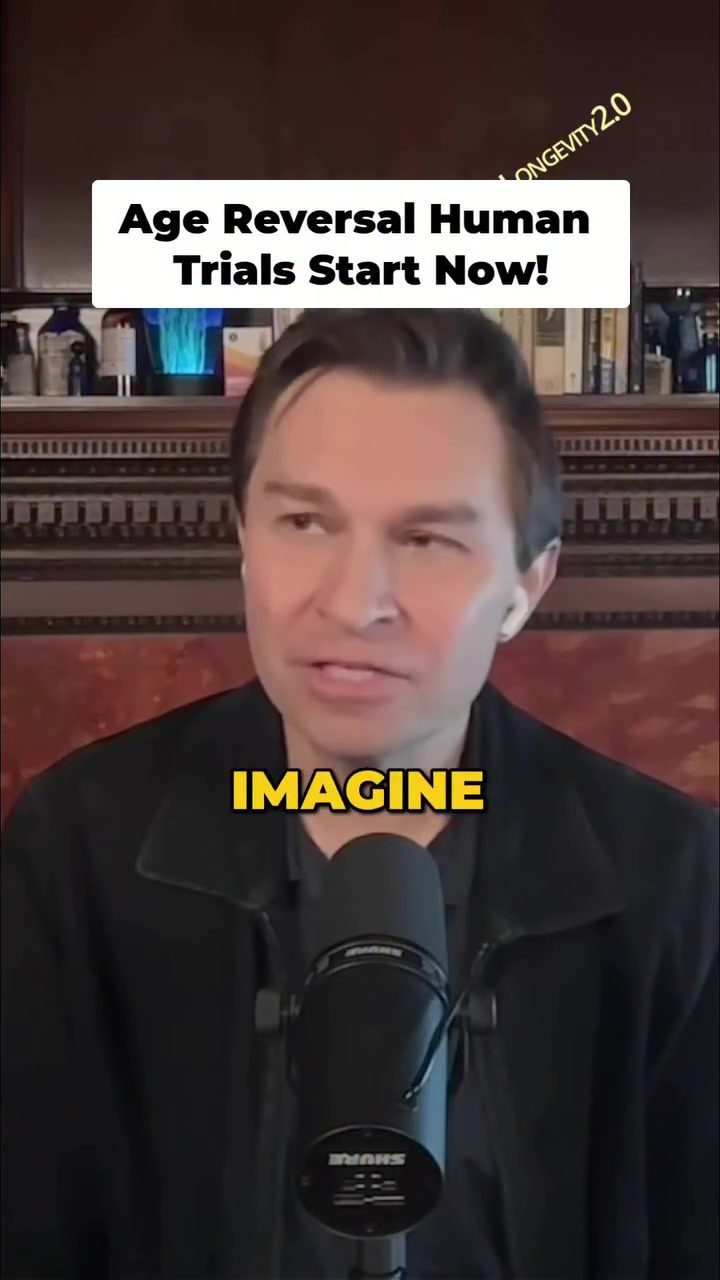
Age Reversal Trials: A New Era in Healthcare
A groundbreaking milestone in health and wellness research is finally within reach. After decades of meticulous work, the first human trials for age-reversal technology are set to commence. This pioneering endeavor, spearheaded by David Sinclair and his team at Harvard, marks a pivotal moment in the quest to reverse the effects of aging.
Why This Matters
The potential implications of successful age-reversal trials are vast. If the technology works as intended, it could revolutionize the way we approach age-related conditions. The trials, focusing initially on vision loss, aim to restore cellular function by resetting the biological age of cells. Successfully translating this technology from the lab to human medicine could pave the way for treating a wide array of age-related diseases, from cardiovascular issues to neurodegenerative disorders.
Main Discussion
The Technology Behind Age Reversal
The technology at the heart of these trials, known as ER100, was developed through extensive research conducted at Harvard. The trials are scheduled to begin in January 2026, with the FDA's approval already in place. ER100 is designed to be delivered directly into the eye with a simple injection. The goal is to enhance vision or, in some cases, restore it entirely. Early results from animal studies are promising, with reports of restored vision in blind animals and improved cellular function across various tissues.
The Importance of Vision Loss Trials
Vision loss is a common age-related condition, making it a logical starting point for age-reversal trials. The eye is an accessible and relatively isolated part of the body, which allows researchers to closely monitor the effects of ER100. If the treatment proves effective in improving or restoring vision, it could open the door to similar interventions for other age-related issues.
The Road to Human Trials
The journey to this point has been long and arduous. Sinclair’s team has conducted extensive research on mice, monkeys, and human tissues grown in the lab. These preliminary studies have yielded remarkable results, including restoration of vision in blind animals, tissue rejuvenation, and improved cellular function. However, translating these findings into a safe and effective treatment for humans is the next critical challenge.
What to Expect in the Trials
The trials will involve administering ER100 to patients with vision loss. The treatment will be delivered through a quick injection into the eye. If all goes well, patients should see improvements in their vision over the following month. This initial trial phase is crucial for determining the safety and efficacy of ER100 in humans.
Practical Tips
While the trials are still in their early stages, there are several key points to keep in mind:
Stay Informed
Following the progress of these trials closely can provide valuable insights into the future of age-reversal technology. Subscribing to newsletters and following reputable sources can keep you updated on the latest developments and breakthroughs.
Consider the Broader Implications
The success of these trials could have far-reaching effects beyond vision loss. As researchers gain a deeper understanding of how to reverse the biological aging process, it could lead to innovative treatments for a wide range of age-related conditions.
Be Patient and Realistic
While the potential benefits are immense, it’s essential to manage expectations. Age-reversal technologies are still in the experimental phase, and much more research is needed before they become widely available. Patience and a realistic outlook are vital as we await the results of these groundbreaking trials.
Important Takeaways
The start of human trials for age-reversal technology is a monumental step forward in the field of health and wellness. With ER100, developed through decades of research at Harvard, the goal is to reset the biological age of cells and restore function, beginning with vision loss. The implications of this technology extend far beyond the eye, holding the potential to address a wide range of age-related conditions.
Conclusion
A new era in healthcare is on the horizon with the commencement of age-reversal trials. The work of David Sinclair and his team at Harvard has laid the groundwork for what could be a transformative development in the way we approach aging. As we await the results of these trials, the future of age-reversal technology looks promising. The potential to reverse the biological aging process and improve the quality of life for countless individuals is within reach, marking a significant milestone in the journey toward a healthier, longer life.
Watch the Reel
Questions readers ask
Who is leading the first human trials for age reversal technology?
The first human trials for age reversal technology are being led by David Sinclair and his team at Harvard. Sinclair is a renowned researcher known for his work in longevity and aging.
What specific condition is the initial focus of these age reversal trials?
The initial focus of these trials is vision loss. By targeting this condition, researchers aim to demonstrate the technology's potential to reset the biological age of cells and restore cellular function.
How could successful age reversal trials impact the treatment of age-related diseases?
Successful age reversal trials could revolutionize the approach to age-related diseases. By resetting the biological age of cells, this technology has the potential to combat a wide range of conditions associated with aging.
What is the significance of the first human trials in age reversal research?
The first human trials represent a pivotal moment in age reversal research. They mark the transition from laboratory experiments to real-world applications, offering hope for effective treatments against aging and age-related conditions.
What is the ultimate goal of David Sinclair's age reversal technology?
David Sinclair’s ultimate goal is to reverse the effects of aging by resetting the biological age of cells. This technology aims to restore youthful cellular function, potentially delaying or even reversing age-related diseases.
Why is vision loss being targeted in the first human trials for age reversal?
Vision loss is the target of the first human trials because it is a well-defined, age-related condition that can provide clear evidence of the technology's effectiveness. Success in reversing vision loss could open doors to treating other age-related diseases.
What are the potential implications of successful age reversal trials on longevity research?
Successful age reversal trials could significantly advance longevity research. By demonstrating the feasibility of resetting biological age, these trials could lead to new therapies that extend lifespan and improve quality of life for older adults.
Recent articles
Fresh deep dives from the latest Reels we unpacked.




Comments
Be the first to comment.