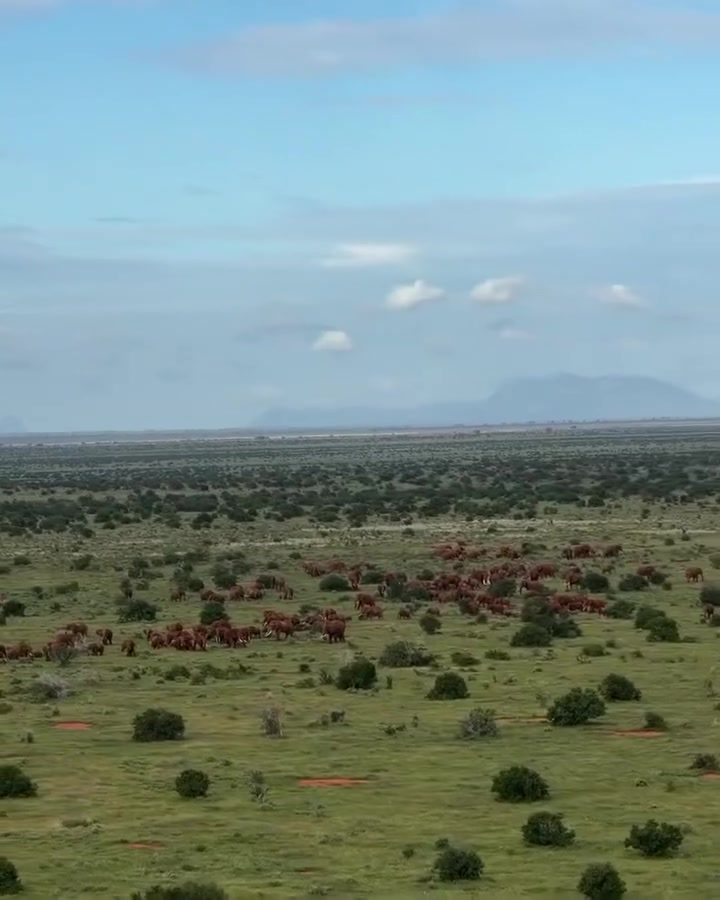
The Remarkable Recovery of Africa's Elephant Mega-Herds
African elephant mega-herds, once on the brink of collapse, are now experiencing a remarkable resurgence in parts of southern Africa. This revitalization is a testament to the effectiveness of concerted conservation efforts, anti-poaching measures, and the establishment of vital wildlife corridors.
Context / Why This Matters
After decades of decline, African elephants are now showing signs of recovery, particularly in countries like Botswana and Zimbabwe. These efforts are not just about the survival of a single species; they underscore the broader importance of conserving Africa's diverse ecosystems. The return of elephant mega-herds signals a healthy ecosystem, benefiting a wide range of plant and animal species that coexist within these habitats.
Understanding the Recovery
Conservation Efforts
Improved conservation efforts have been pivotal in the recovery of elephant populations. Governments and conservation organizations have implemented stringent anti-poaching measures, which have significantly reduced poaching activities. This has allowed elephants to move freely across their natural habitats without the constant threat of illegal hunting.
Wildlife Corridors
The establishment of cross-border wildlife corridors has been a game-changer. These corridors facilitate the movement of elephants between different protected areas, enabling them to access food and water sources during seasonal migrations. The Kavango–Zambezi Transfrontier Conservation Area (KAZA), which spans several countries, has become a critical habitat for these migrations.
Key Habitats
Regions such as Hwange National Park in Zimbabwe and areas within the KAZA have become key habitats for these mega-herds. These areas provide ample resources and protection, making them ideal for the survival and growth of elephant populations. The seasonal migrations, particularly in search of water and food, have become more predictable and safer, contributing to the recovery of the herds.
Challenges Remain
Despite the progress, significant challenges persist. Habitat pressure, driven by human activities such as agriculture and urban development, continues to threaten the survival of these herds. Human-wildlife conflict, where elephants come into contact with human settlements, can lead to crop raiding and potential harm to both elephants and humans. Addressing these issues will require ongoing collaborative efforts between conservationists, governments, and local communities.
The Role of Long-Term Conservation
The recovery of Africa's elephant mega-herds highlights the long-term benefits of dedicated conservation efforts. These efforts not only help in the restoration of elephant populations but also contribute to the overall health of the ecosystem. The return of these massive herds is a powerful sign that sustainable conservation practices can lead to tangible results, even in the face of considerable challenges.
Practical Tips for Wildlife Conservation
Support Conservation Organizations
If you're passionate about wildlife conservation, supporting organizations that work to protect elephants and their habitats is crucial. Many NGOs and conservation groups rely on donations and volunteer efforts to carry out their work. Contributing to these organizations can make a significant difference in the long-term survival of elephant populations.
Advocate for Stronger Legislation
Advocacy for stronger anti-poaching legislation is essential. Working with local and national governments to ensure that laws protecting wildlife are enforced can help curb poaching activities. Public awareness campaigns and lobbying efforts can also play a critical role in shaping policies that safeguard wildlife.
Promote Sustainable Tourism
Sustainable tourism can be a powerful tool for conservation. By choosing eco-friendly tour operators and supporting wildlife reserves that prioritize conservation, you can contribute to the protection of elephant habitats. Sustainable tourism not only benefits the environment but also provides economic incentives for local communities to support conservation efforts.
Educate and Inform
Education and awareness are key to long-term conservation success. By educating others about the importance of elephant conservation, you can inspire more people to take action. Sharing stories of successful conservation efforts and the challenges faced can help build a broader movement for wildlife protection.
Important Takeaways
The recovery of Africa's elephant mega-herds is a beacon of hope for wildlife conservation. It underscores the need for continued, concerted efforts from governments, conservationists, and local communities. Despite the challenges, the progress made so far is a testament to what can be achieved with dedication and collaboration.
Conclusion
The comeback of Africa's elephant mega-herds is a story of resilience and the power of conservation efforts. From improved anti-poaching measures to the establishment of wildlife corridors, every step taken has contributed to this remarkable recovery. As we celebrate this progress, it is essential to remain vigilant and continue supporting these efforts to ensure the long-term survival of these magnificent creatures and the ecosystems they inhabit.
Watch the Reel
Questions readers ask
What are African elephant mega-herds and why are they significant?
African elephant mega-herds refer to large groups of elephants, often numbering in the hundreds or even thousands. They are significant because their presence indicates a healthy ecosystem, as they require vast amounts of resources and space to thrive. Their comeback is a positive sign for the wider environment, benefiting many other species.
Which countries in Africa are seeing a resurgence in elephant populations?
Countries like Botswana and Zimbabwe are at the forefront of this resurgence. These nations have implemented effective conservation strategies and anti-poaching measures, leading to a notable increase in elephant populations.
How do wildlife corridors contribute to the recovery of elephant mega-herds?
Wildlife corridors are vital for elephant migration, allowing them to move freely between different habitats in search of food, water, and mates. By protecting these corridors, conservation efforts ensure that elephants can follow their natural migratory routes, which is crucial for their survival and population growth.
What role do anti-poaching measures play in the comeback of African elephants?
Anti-poaching measures are crucial for protecting elephants from illegal hunting and poaching. These efforts include patrols, surveillance, and law enforcement to deter poachers. By reducing poaching, authorities help to stabilize and increase elephant populations, allowing them to recover and thrive.
How do the returning mega-herds benefit the broader ecosystem?
The return of elephant mega-herds creates a cascading effect, positively impacting the entire ecosystem. Elephants help maintain biodiversity by spreading seeds, creating clearings, and altering landscapes. This benefits a wide range of plant and animal species, fostering a more robust and interconnected ecosystem.
What can be done to support the continued recovery of African elephant herds?
Supporting continued recovery involves advocating for strong conservation policies, donating to organizations involved in anti-poaching efforts, and raising awareness about the importance of wildlife corridors. Tourists can also contribute by choosing eco-friendly tourism options that support local conservation initiatives.
What are the primary challenges facing African elephant herds today?
Despite recent recovery, African elephant herds face ongoing challenges such as poaching, habitat loss, and human-wildlife conflict. Addressing these issues requires a combination of stricter law enforcement, sustainable land use practices, and community engagement to ensure the long-term survival of these magnificent creatures.
Related deep dives
Similar reads based on topic and creator.

Recent articles
Fresh deep dives from the latest Reels we unpacked.




Comments
Be the first to comment.