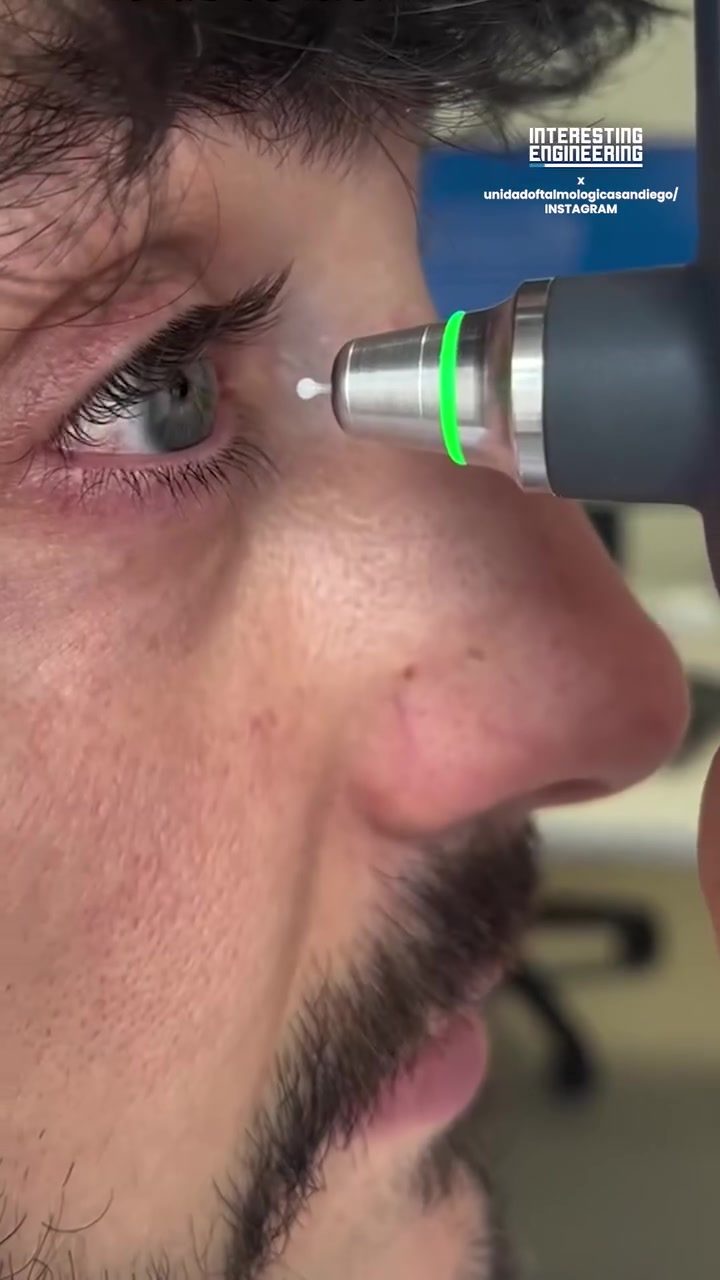
Eye Examination Medical Devices
Eye examination medical devices, also known as ophthalmic devices, have revolutionized the field of optometry and ophthalmology. These tools allow for precise, non-invasive examination of the eye, enabling healthcare professionals to diagnose and monitor a wide range of eye conditions. Let's dive into the world of eye examination devices to understand their importance, how they function, and what to expect during an eye exam.
Why This Matters
Eye health is a critical aspect of overall well-being. Regular eye examinations are essential for early detection and treatment of various eye conditions, such as glaucoma, cataracts, and macular degeneration. Eye examination medical devices play a vital role in these assessments, providing accurate and detailed information about the eye's structure and function. They help in diagnosing and monitoring not only eye diseases but also systemic conditions like diabetes and hypertension, which can manifest in the eyes.
Key Features and Functionality
Laser Technology
One of the standout features of modern eye examination devices is the use of laser technology. These devices direct a laser onto the eye, mapping out the intricate details with precise accuracy. This technology is particularly effective for examining the retina, the light-sensitive layer at the back of the eye. The laser light reflects off the retina, creating a detailed image that can be analyzed for any abnormalities.
Precision and Controls
The movement of the device during the examination is tightly controlled, ensuring that the laser remains focused on the specific area being examined. This precision is crucial for capturing high-quality images and obtaining accurate measurements. The controlled movement also minimizes discomfort for the patient, making the examination process more comfortable.
Scanning and Imaging
Eye examination devices often incorporate advanced scanning technology. This allows for a comprehensive examination of the eye, capturing detailed images of various structures, including the cornea, lens, retina, and optic nerve. The scanning process is non-invasive, making it suitable for patients of all ages, from infants to the elderly.
Practical Tips for Patients
Preparing for an Eye Exam
Before your eye exam, there are a few things you can do to ensure a smooth and effective experience:
- Bring Your Prescription: If you wear glasses or contact lenses, bring your current prescription. This will help the eye care professional understand your visual needs better.
- List Any Symptoms: Make a note of any symptoms you've been experiencing, such as blurred vision, eye pain, or sensitivity to light. This information can be crucial for diagnosing any underlying conditions.
- List All Medications: Inform your eye care professional about any medications you are taking, as some can affect eye health.
During the Exam
During the examination, the medical device will be used to scan and image various parts of your eye. Here’s what you can expect:
- Dilation: Your pupils may be dilated to allow for a better view of the retina. This is a common procedure and is usually painless, but it can cause temporary sensitivity to light.
- Laser Scanning: The device will direct a laser onto your eye, which may feel like a bright light. This process is non-invasive and should not cause discomfort.
- Image Capturing: The device will capture detailed images of your eye, which your eye care professional will analyze to assess your eye health.
Post-Exam Care
After the exam, you might experience some temporary side effects, such as blurred vision or light sensitivity, especially if your pupils were dilated. Here are some tips for post-exam care:
- Wear Sunglasses: If your pupils were dilated, wear sunglasses to protect your eyes from bright light.
- Avoid Driving: If your vision is temporarily blurred, avoid driving until your vision returns to normal.
- Follow-Up Instructions: Follow any specific instructions given by your eye care professional, such as using prescribed eye drops or scheduling follow-up appointments.
Important Takeaways
Eye examination devices utilize advanced technology to provide precise and comprehensive assessments of the eye's health. The use of laser scanning and imaging allows for detailed examinations that can detect a wide range of eye conditions. For patients, understanding the process and preparing for the exam can make the experience more comfortable and effective.
Patients often wonder about the cost of eye examinations using these advanced devices. While the cost can vary depending on the clinic and the type of examination, many insurance plans cover at least a portion of the cost. It’s always a good idea to check with your insurance provider to understand your coverage.
Conclusion
Eye examination devices are indispensable tools in the field of ophthalmology and optometry. Their precision and advanced technology enable healthcare professionals to conduct thorough and accurate eye examinations. Whether you are a patient preparing for your first eye exam or a healthcare professional looking to understand the latest in eye examination technology, these devices offer a wealth of benefits. Regular eye examinations using these devices can help maintain and improve eye health, ensuring early detection and treatment of any eye conditions.
Watch the Reel
Questions readers ask
How does laser technology improve the precision of eye exams?
Laser technology enhances the precision of eye exams by providing detailed maps of the eye's intricate structures. This allows healthcare professionals to identify subtle changes and abnormalities that might be missed with traditional methods, aiding in early detection and monitoring of eye conditions.
What are the benefits of controlled movements in eye exam devices?
Controlled movements in eye exam devices ensure that the patient remains comfortable throughout the examination. Additionally, they help maintain accurate measurements by minimizing involuntary eye movements, which can otherwise distort results. This precision is crucial for diagnosing and monitoring various eye conditions.
What types of eye conditions can advanced medical devices detect?
Advanced medical devices used in eye exams can detect a wide range of conditions, including glaucoma, cataracts, macular degeneration, and diabetic retinopathy. These devices provide detailed images and measurements, enabling healthcare professionals to make accurate diagnoses and develop effective treatment plans.
How do eye examination medical devices enhance patient comfort?
Eye examination medical devices are designed with features that enhance patient comfort, such as adjustable settings and non-invasive procedures. The controlled movements and precise technologies used in these devices also reduce the need for repeated exams, making the overall experience more comfortable and efficient for patients.
Why is it important to have regular eye examinations using advanced technology?
Regular eye examinations using advanced technology are crucial for early detection and treatment of eye conditions. These exams help monitor changes in eye health over time, allowing for timely interventions and better management of conditions. Advanced technologies ensure that even minor issues are identified, preventing potential vision loss.
What role do medical lasers play in eye diagnostics?
Medical lasers are essential tools in eye diagnostics, providing high-resolution images and precise measurements of the eye's structures. They enable healthcare professionals to map the eye's surface and depths, identify abnormalities, and monitor the progress of various eye conditions with exceptional accuracy.
Related deep dives
Similar reads based on topic and creator.


Recent articles
Fresh deep dives from the latest Reels we unpacked.




Comments
Be the first to comment.