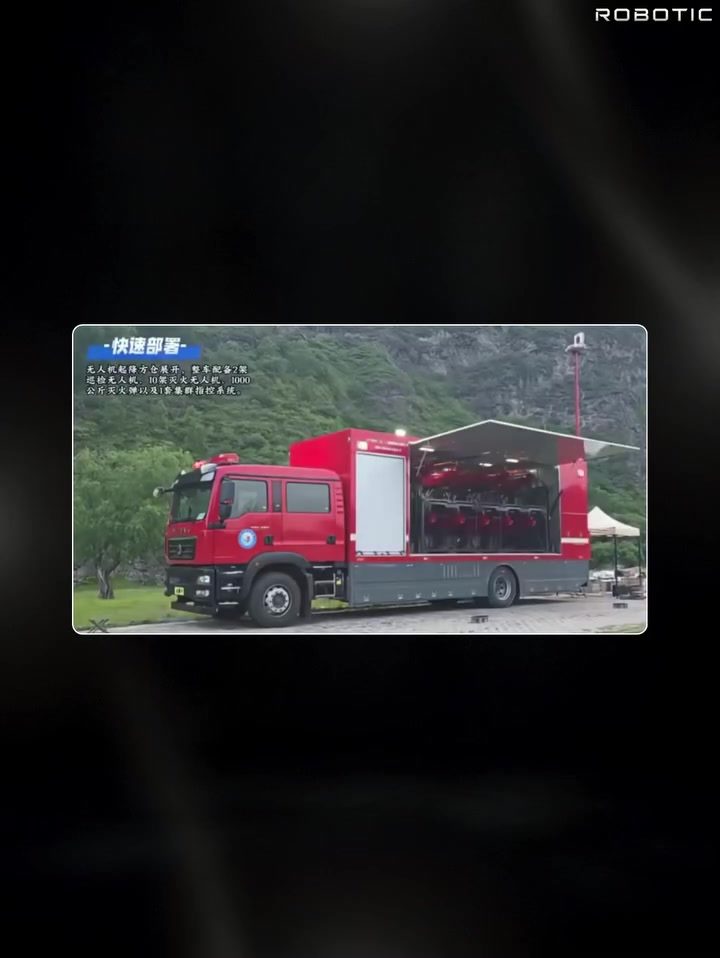
Robotic Vehicles in Firefighting: A New Era of Emergency Response
Fighting fires is inherently dangerous, but innovative technology is changing the game. Advanced firefighting drones, developed in China, are designed to transform emergency response by reaching hazardous areas quickly and safely. These drones are equipped to deliver firefighting equipment, monitor conditions from the air, and support rescue teams in complex situations.
Why This Matters
The integration of robotic vehicles and drones into firefighting operations is more than just a technological advancement; it is a lifesaving innovation. By accessing locations that are difficult or unsafe for human responders, these drones can significantly improve response times and provide real-time situational awareness. This evolution is crucial in an era where emergency response teams face increasingly complex and dangerous scenarios.
The Role of Robotic Vehicles in Firefighting
Enhanced Mobility and Accessibility
One of the key advantages of using robotic vehicles in firefighting is their enhanced mobility. These vehicles can navigate various terrains, from dense urban areas to remote wilderness, making them ideal for a wide range of emergency situations. Equipped with advanced sensors and cameras, they can gather real-time data from the field, providing crucial information to emergency teams.
Real-Time Situational Awareness
Drones equipped with firefighting capabilities offer unparalleled real-time situational awareness. They can monitor fire conditions from the air, detecting hotspots, tracking the spread of flames, and identifying structural weaknesses. This information is invaluable for firefighters on the ground, helping them make informed decisions and coordinate their efforts more effectively.
Delivering Essential Equipment
Beyond monitoring, these drones can also deliver essential firefighting equipment to hard-to-reach areas. Whether it's water, fire retardant, or other critical supplies, drones can transport these items quickly and safely, ensuring that firefighters have the resources they need to combat the blaze effectively.
Supporting Complex Rescue Operations
In complex rescue operations, drones can play a vital role in locating and assessing the condition of trapped individuals. Their aerial perspective allows them to scout areas that are too dangerous for human responders, providing valuable insights and helping to plan rescue strategies.
Versatility in Deployment
Firefighting drones can be deployed in a variety of scenarios, from large-scale wildfires to urban building fires. Their versatility makes them an invaluable asset in any emergency response toolkit. Whether they are used for surveillance, equipment delivery, or direct firefighting, these drones enhance the capabilities of emergency response teams.
Practical Tips for Implementing Robotic Vehicles in Firefighting
Training and Integration
To maximize the effectiveness of robotic vehicles in firefighting, it is essential to integrate them into existing response protocols. This requires comprehensive training for firefighters and emergency responders, ensuring they understand how to use these tools effectively and safely.
Maintenance and Upkeep
Regular maintenance and upkeep of robotic vehicles are crucial for their reliable performance. This includes routine inspections, software updates, and ensuring that all components are in working order. Proper maintenance can prevent downtime and ensure that the vehicles are ready for deployment when needed.
Utilizing Advanced Technology
Advanced features like artificial intelligence and machine learning can enhance the capabilities of firefighting drones. AI can be used to analyze data collected by drones, providing more accurate and detailed information. Machine learning algorithms can help predict fire behavior, allowing for more proactive and effective response strategies.
Collaboration with Other Emergency Services
Collaboration between firefighting teams and other emergency services, such as law enforcement and medical response units, can further improve the effectiveness of robotic vehicles. Shared data and coordinated efforts can lead to more efficient and effective emergency responses.
Important Takeaways
The integration of robotic vehicles into firefighting operations represents a significant step forward in emergency response. These vehicles offer enhanced mobility, real-time situational awareness, and the ability to deliver essential equipment to hard-to-reach areas. Their versatility and advanced capabilities make them a valuable asset in any firefighting arsenal.
The Future of Emergency Response
As autonomous systems continue to evolve, the role of drones in emergency response is set to expand. With ongoing advancements in technology, these drones are becoming more than just flying cameras—they are turning into critical tools that could reshape the future of emergency response. By accessing locations that are difficult or unsafe for people, drones can improve response times and provide valuable real-time situational awareness. This evolution is crucial in an era where emergency response teams face increasingly complex and dangerous scenarios.
Conclusion
In the fight against fires, robotic vehicles and drones are proving to be invaluable tools. Their ability to navigate hazardous areas, monitor conditions, and support rescue efforts makes them a game-changer in emergency response. As technology continues to advance, the potential for these vehicles to save lives and protect communities will only grow. The future of firefighting is here, and it's equipped with cutting-edge robotic technology.
Watch the Reel
Related deep dives
Similar reads based on topic and creator.



Recent articles
Fresh deep dives from the latest Reels we unpacked.



Comments
Be the first to comment.