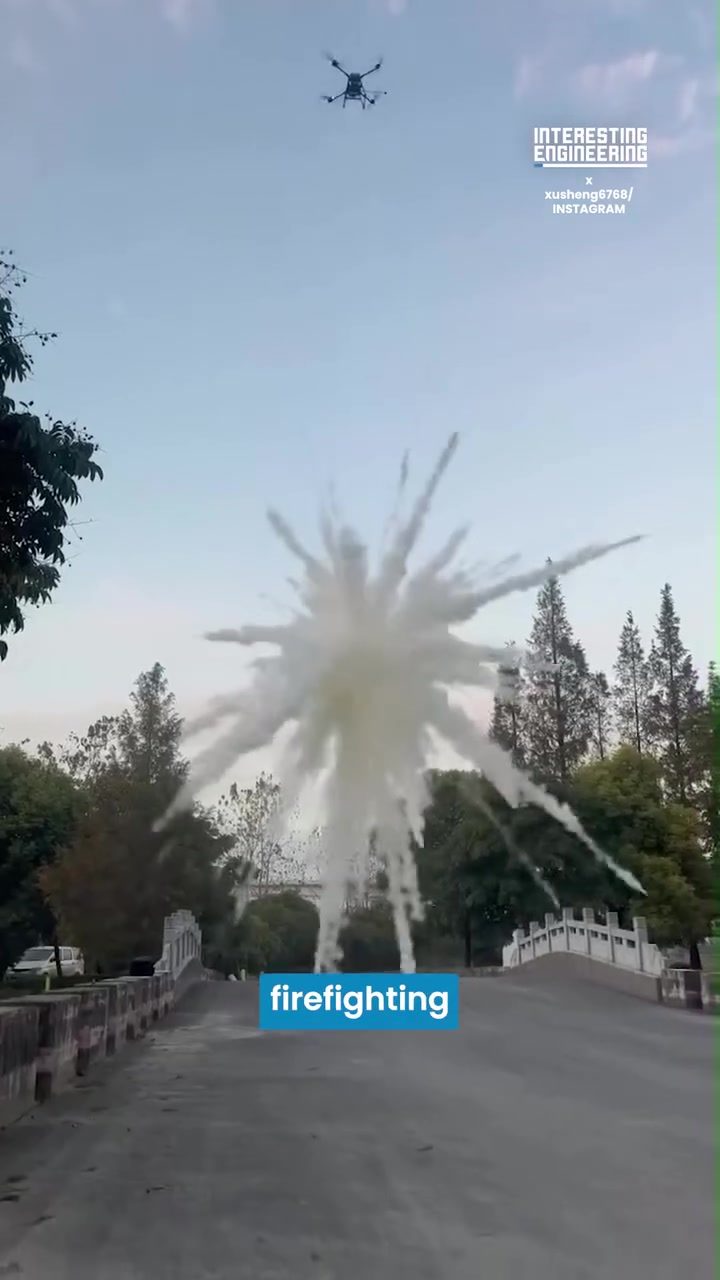
Drone Firefighting
Drone firefighting represents a cutting-edge advancement in emergency response, offering rapid and precise intervention in challenging fire scenarios. These drones are designed to reach dangerous fire zones quickly, areas that are often difficult or unsafe for human crews to access.
Why this matters
Traditional firefighting methods often involve significant risks to personnel, especially in remote or hazardous locations. Drone firefighting technology enhances safety by reducing the need for human crews to enter these perilous zones. The ability of drones to deliver extinguishing payloads directly to active fire zones improves the speed of initial fire suppression, which is crucial in preventing the spread of fires.
Rapid Aerial Response
Speed and Accessibility
One of the key advantages of using drones for firefighting is their speed and accessibility. Drones can quickly reach remote or hard-to-access areas, such as dense forests, industrial sites, and high-rise buildings. This rapid aerial response allows for immediate action, which can be the difference between containing a fire and watching it spread uncontrollably.
Payload Delivery
Equipped with advanced payload delivery systems, these drones can accurately deploy fire extinguishing agents. This precision is essential for targeting specific areas of a fire, ensuring that the extinguishing agents are used efficiently and effectively. Whether it's water, foam, or other suppressants, the drone's ability to deliver these payloads directly to the source of the fire enhances its effectiveness in suppressing flames.
Forest Fire Management
Efficient Suppression
Forests are particularly challenging environments for firefighters due to their dense vegetation and remote locations. Drone firefighting technology can navigate these areas with ease, providing efficient suppression of forest fires. By quickly reaching and targeting the fire's source, drones can help prevent the destruction of vast tracts of forestland and the loss of biodiversity.
Reducing Human Risk
The use of drones in forest fire management also significantly reduces the risk to firefighters. By keeping human crews out of direct danger, drones ensure that firefighters can focus on other critical aspects of fire management, such as containment and perimeter control.
Industrial Site and High-Rise Safety
Industrial Hazards
Industrial sites often present unique challenges for firefighters, including the presence of hazardous materials and complex structures. Drone firefighting technology can be particularly effective in these environments, as drones can quickly assess the situation and deliver extinguishing agents to hard-to-reach areas. This capability is crucial for preventing fires from spreading and causing extensive damage.
High-Rise Emergencies
High-rise buildings pose another set of challenges for firefighters, including limited access and the need to navigate multiple floors. Drone firefighting technology offers a solution by providing rapid aerial response and precise payload delivery. By reaching the upper floors quickly, drones can help contain fires before they spread to lower levels, saving lives and minimizing property damage.
Practical Tips
Integrating Drone Technology
To effectively integrate drone firefighting technology into existing emergency response strategies, it's essential to:
1. Train Personnel: Ensure that firefighters are trained on how to operate and coordinate with drones. This includes understanding the drone's capabilities, limitations, and how to integrate it into overall firefighting strategies.
2. Equip with Advanced Payloads: Invest in drones equipped with advanced payload delivery systems. These systems should be able to carry and deploy a variety of extinguishing agents, including water, foam, and specialized suppressants.
3. Ensure Reliable Communication: Establish reliable communication systems between drone operators and ground crews. This ensures seamless coordination and quick decision-making during emergencies.
4. Regular Maintenance: Conduct regular maintenance and inspections of drones to ensure they are in optimal condition. This includes checking batteries, propellers, and payload delivery mechanisms.
Important Takeaways
The use of drone firefighting technology represents a significant advancement in emergency response capabilities. These drones offer rapid aerial response, precise payload delivery, and enhanced safety for firefighters. By quickly reaching and targeting fire zones, drones can suppress flames in forests, industrial sites, and high-rise buildings, reducing the risk to human life and property.
Conclusion
Drone firefighting technology is transforming the way we respond to emergencies. With the ability to quickly reach dangerous fire zones and deliver precise extinguishing payloads, drones are enhancing firefighter safety and improving the speed of initial fire suppression. As this technology continues to evolve, it will play an increasingly crucial role in protecting lives and property.
Watch the Reel
Questions readers ask
How do advanced drones improve safety for firefighters in remote areas?
Advanced drones enhance firefighter safety by reducing the need for personnel to enter dangerous zones. They can quickly access and suppress fires in perilous, hard-to-reach locations, minimizing risks to human crews and improving overall response efficiency
What specific advantages do drones offer over traditional firefighting methods?
Drones provide rapid and precise intervention, delivering extinguishing agents directly to the fire. This targeted approach is crucial for controlling and preventing the spread of fires, especially in remote or hazardous zones where traditional methods may fall short.
How quickly can drones reach and act on a fire in a remote area?
Advanced drones are designed for rapid aerial response, reaching fire zones quickly and delivering payloads directly to the source of the blaze. This speed is vital for initial fire suppression, helping to prevent the escalation of the fire.
What types of fires are most suitable for drone firefighting?
Drones are particularly effective in managing fires in remote, hazardous, or hard-to-access zones, such as forest fires. Their ability to navigate challenging terrains and deliver precise payloads makes them ideal for these scenarios.
Can drones operate autonomously in fire zones, and if so, how?
Yes, many advanced drones used in firefighting can operate autonomously. They are equipped with sensors and GPS technology that allow them to navigate to the fire zone, assess the situation, and deliver extinguishing agents with precision, even without real-time human control.
What payloads do firefighting drones typically carry and deliver to the fire?
Firefighting drones are equipped with various payloads, including water, foam, and other fire-suppressing agents. These payloads are designed to be delivered with precision directly to the active fire zones, ensuring effective suppression.
How do drones enhance the effectiveness of initial fire suppression efforts?
The speed and precision of drone firefighting significantly enhance the effectiveness of initial fire suppression. By quickly delivering extinguishing agents directly to the fire, drones help to control and mitigate the spread of the blaze, which is crucial in the early stages of a fire.
Related deep dives
Similar reads based on topic and creator.


Recent articles
Fresh deep dives from the latest Reels we unpacked.




Comments
Be the first to comment.