Psychology of Character Traits
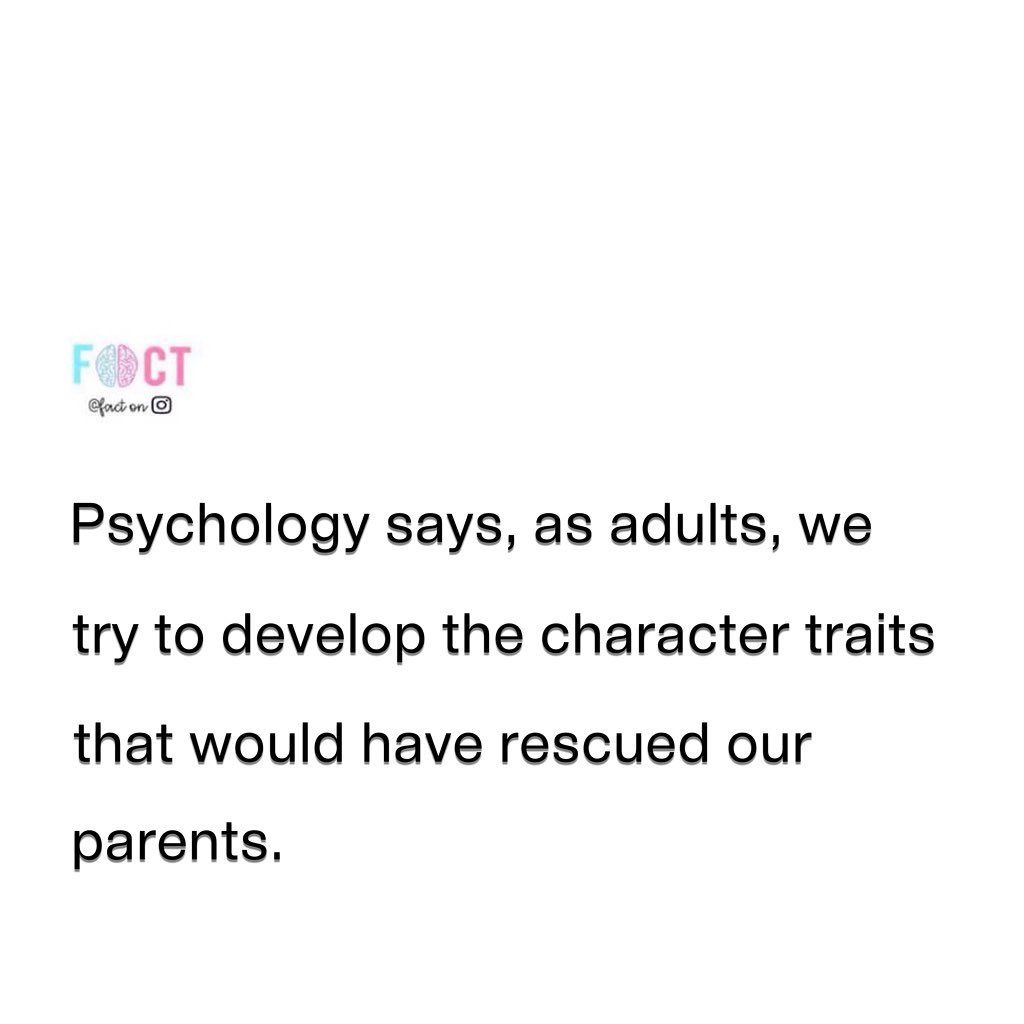
Psychology suggests that as adults, we often develop character traits that we believe could have helped our parents. This phenomenon is rooted in our subconscious desire to fill the gaps we perceived in our caregivers. Understanding this psychological concept can provide valuable insights into our personal growth and relationships.
Why This Matters
Realizing that our character traits can be influenced by our parents' perceived shortcomings is a crucial step in self-awareness. It helps us understand why we behave the way we do and why certain traits may be more pronounced in us. By recognizing this phenomenon, we can better grasp our motivations and work on becoming more intentional in our personal development.
Main Discussion
The Role of Childhood Experiences
Childhood experiences play a significant role in shaping our personalities. When we grow up, we often look back at our parents' behaviors and think about how things could have been different. This introspection can lead to the development of character traits that we believe would have benefitted our parents. For example, if a child's parents struggled with communication, the child might grow up to be an excellent communicator, hoping to correct what they saw as a deficit in their parents.
The Subconscious Compensation
This psychological phenomenon is often unconscious. We might not even realize that we are developing certain traits to compensate for our parents' shortcomings. This subconscious compensation can manifest in various ways, such as becoming more responsible, empathetic, or assertive. Understanding this process can help us appreciate the complexity of our personalities and the influences that have shaped us.
The Impact on Relationships
Our character traits, influenced by our parents' perceived shortcomings, can significantly impact our relationships. For instance, if we develop strong leadership skills because we saw a lack of it in our parents, we might take on leadership roles in our personal and professional lives. This can lead to both positive and negative outcomes, depending on how well we manage these traits.
Practical Tips
Self-Reflection
Take the time to reflect on your character traits and consider how they might be influenced by your parents' behaviors. Think about the areas where you feel you have grown or improved and why. This self-reflection can provide valuable insights into your motivations and help you understand your actions better.
Open Communication
If possible, have open and honest conversations with your parents about your observations. This can be a difficult but rewarding process. It can help you understand their perspectives and gain a deeper appreciation for the challenges they faced. It can also help them understand the impact of their behaviors on you.
Seek Professional Help
If you find it challenging to navigate these feelings and experiences, consider seeking help from a therapist. A professional can provide guidance and support as you work through these complex emotions and develop a more balanced understanding of your character traits.
Important Takeaways
- Our character traits can be influenced by our subconscious desire to compensate for our parents' perceived shortcomings.
- This phenomenon is often unconscious and can manifest in various ways, affecting both our personal and professional lives.
- Understanding this process can help us appreciate the complexity of our personalities and the influences that have shaped us.
- Self-reflection, open communication, and professional help can be valuable tools in navigating these complex emotions and experiences.
Conclusion
Understanding the psychology of character traits and how they can be influenced by our parents' perceived shortcomings is a crucial step in self-awareness. By recognizing this phenomenon, we can better grasp our motivations, work on our personal development, and improve our relationships. Whether through self-reflection, open communication, or professional help, taking the time to explore these influences can lead to a deeper understanding of ourselves and our actions.
Watch the Reel
Questions readers ask
How do childhood experiences shape the character traits we develop as adults?
Childhood experiences significantly influence the traits we develop as adults. Often, we cultivate traits that we believe could have benefited our parents, driven by a subconscious desire to fill the gaps we perceived in their parenting. This process can lead to the development of both positive and negative traits.
What is the significance of recognizing the traits we develop to compensate for our parents' shortcomings?
Recognizing these traits is a key step towards self-awareness. It helps us understand our motivations and behaviors, and it can guide us in making intentional choices for personal growth.
Can cultivating new traits improve relationships with others?
Yes, by understanding and addressing the traits we develop to compensate for our parents' shortcomings, we can foster healthier relationships. This self-awareness can lead to better communication, empathy, and a deeper understanding of our own and others' behaviors.
How does the desire to fill gaps in parenting influence adult psychological growth?
The desire to fill gaps in parenting can drive adults to develop traits they believe their parents lacked. This can profoundly impact personal growth, motivating individuals to cultivate traits that enhance their self-awareness and emotional well-being.
What is meant by 'intentional personal development' in this context?
Intentional personal development refers to the conscious effort to cultivate specific traits or improve certain aspects of one's character. This intentionality comes from recognising the traits we've developed to compensate for our parents' shortcomings and actively working to refine or enhance them.
Why is self-awareness crucial in understanding the traits we develop as adults?
Self-awareness allows us to recognize the underlying motivations behind the traits we've developed. It helps us understand why we behave certain ways and gives us the insight to make informed decisions about our personal growth, fostering more fulfilling and meaningful lives.
Recent articles
Fresh deep dives from the latest Reels we unpacked.




Comments
Be the first to comment.