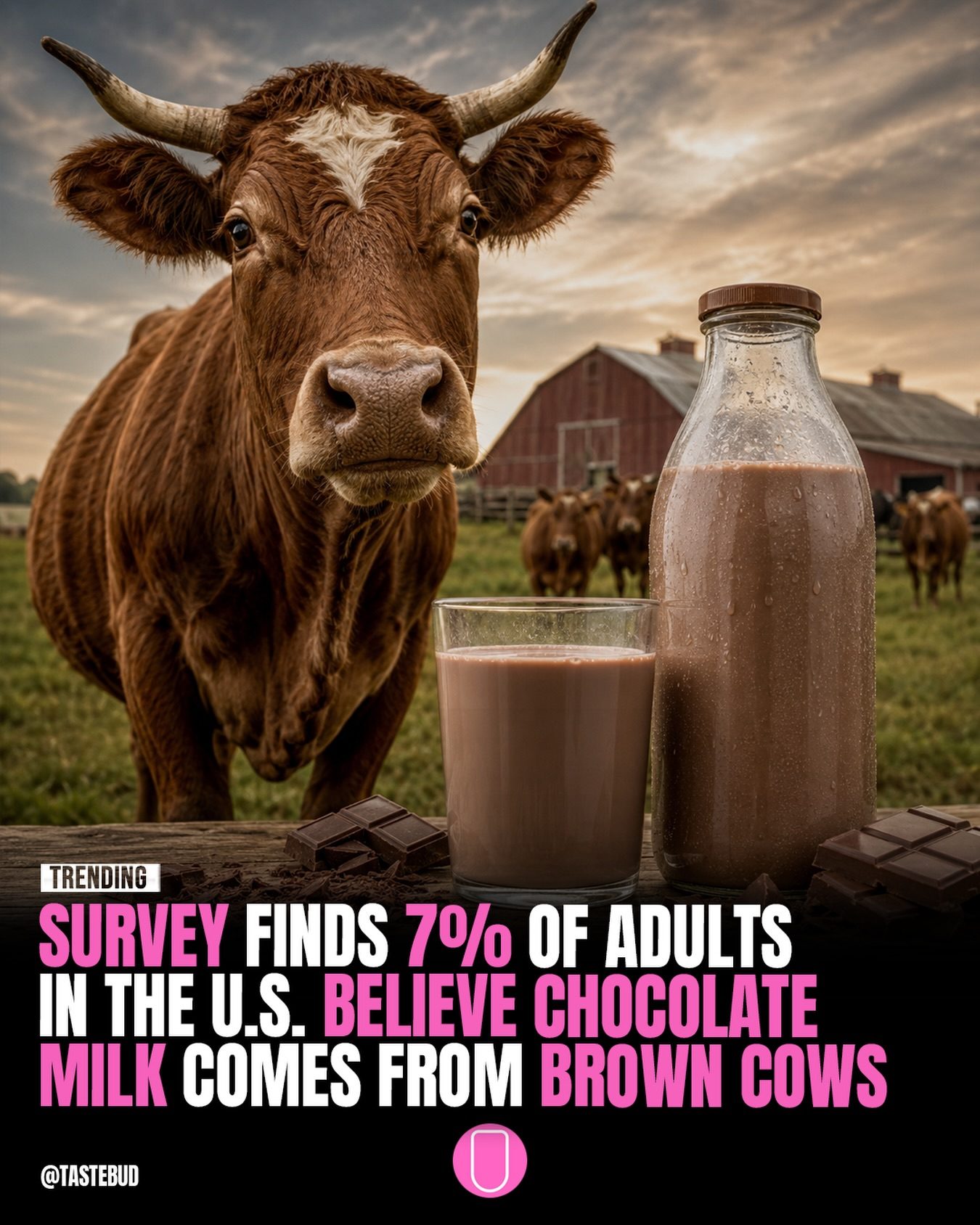
Chocolate Milk and the Brown Cow Myth
The belief that chocolate milk comes from brown cows has become a viral phenomenon, sparking discussions about food education and misconceptions. This unusual survey result has left many questioning the disconnect between consumers and the food production process. Let's delve into the origins of this belief, the reasons behind it, and the broader implications for food education.
Context / Why This Matters
Understanding where our food comes from is a fundamental aspect of food literacy. The misconception about chocolate milk highlights a broader issue: many adults may not fully grasp the basics of food production. This lack of knowledge can have implications for health, sustainability, and consumer choices.
Main Discussion
The Survey and Its Impact
A survey conducted by TASTEBUD found that 70% of adults in the U.S. believe chocolate milk comes from brown cows. This striking result quickly went viral, captivating social media platforms. The survey's findings prompted a wave of reactions, with many people questioning whether the survey was a joke or a genuine reflection of public ignorance. Some respondents may have misunderstood the question, while others suggest it reveals a deeper disconnect from the basics of food production. Regardless, the survey has sparked a broader conversation about food education and the need for better understanding of where our food comes from.
The Misconception
The idea that chocolate milk comes from brown cows is a classic example of a food myth—a misconception widely held but entirely false. Chocolate milk is simply regular milk mixed with cocoa and sugar. The color comes from the addition of cocoa, not from the cow itself. This misconception underscores a lack of understanding about the processing and production of food.
The Role of Food Education
Food education plays a crucial role in dispelling myths and promoting healthier, more informed choices. Knowing the origins of our food can help consumers make better decisions about what they eat and support more sustainable food systems. Education can also foster a greater appreciation for the processes involved in bringing food to our tables.
The Consequences of Misunderstanding
Misunderstanding the basics of food production can lead to various consequences. For instance, it can contribute to unhealthy eating habits, as people may rely on processed foods without understanding their composition. It can also affect consumer choices, leading to support for unsustainable farming practices. Additionally, a lack of food literacy can create barriers to addressing important issues like food waste, food security, and environmental sustainability.
Practical Tips
So, how can you improve your food literacy and avoid falling for food myths?
Ask Questions
One of the best ways to improve your understanding of food is to ask questions. Ask where your food comes from, how it's produced, and what ingredients it contains. This curiosity can lead you to valuable information and help you make more informed choices.
Read Labels
Reading food labels can provide a wealth of information about the ingredients, nutritional value, and processing methods used in a product. Pay attention to the list of ingredients, the nutritional facts, and any additional information provided on the label. This can help you avoid misconceptions and make better choices.
Engage with Local Food Systems
Engaging with local food systems, such as farmers' markets and community gardens, can offer a firsthand look at how food is produced. Talking to farmers and growers can provide valuable insights into the processes involved in bringing food to your table, and may help you gain a greater appreciation for the effort that goes into food production.
Educate Yourself
Take advantage of resources available to learn about food production. There are numerous books, documentaries, and online courses that can help you learn about the science and processes behind the food you eat. Understanding these processes can help you make more informed decisions and avoid falling for food myths.
Important Takeaways
Food literacy is essential for making informed choices about what we eat. Misconceptions about food production, such as the belief that chocolate milk comes from brown cows, highlight the need for better food education. By asking questions, reading labels, engaging with local food systems, and educating ourselves, we can improve our understanding of food and make more informed, sustainable choices.
Conclusion
The belief that chocolate milk comes from brown cows serves as a reminder of the important role that food education plays in our daily lives. By improving our understanding of food production, we can make better choices, support more sustainable practices, and contribute to a healthier, more informed society. The debate sparked by this survey is just one example of the many ways in which food education can impact our lives.
Watch the Reel
Questions readers ask
Why do some adults believe that chocolate milk comes from brown cows?
This belief is likely due to a lack of understanding about food processing. Many adults may not realize that chocolate milk is produced by adding cocoa and sugar to regular milk, which comes from cows of various colors. This misconception highlights a gap in knowledge about how foods are made.
What does the belief in brown cow chocolate milk reveal about food literacy?
The prevalence of this belief suggests that many adults may not have a solid grasp of basic food production processes. It underscores the need for more transparent information about how everyday foods, like chocolate milk, are created.
How does the chocolate milk misconception affect consumer choices?
This misconception can lead to misunderstandings about nutrition, food sourcing, and even food safety. Adults who believe in the chocolate milk myth might make different choices about the products they buy, which could impact their health and dietary habits.
What is the actual process of making chocolate milk?
Chocolate milk is made by adding cocoa powder or syrup and sugar to regular milk. The milk used in this process typically comes from cows of various breeds and colors, not specifically brown cows. The flavor and color of chocolate milk are achieved through additives, not the color of the cow.
Why is it important for adults to understand food processing?
Understanding food processing helps adults make informed decisions about their diets and the environmental impact of their food choices. It can also enhance appreciation for the complexity of the food system and the work involved in getting food from farm to table.
How can adults improve their food literacy?
Adults can improve their food literacy by reading labels, learning about food production processes, and asking questions about where their food comes from. Engaging with the food system through visits to farms, factories, or markets can also provide valuable insights.
What role do surveys and viral trends play in revealing food misconceptions?
Surveys and viral trends like the brown cow chocolate milk belief can serve as important indicators of gaps in public knowledge. They provide a platform to discuss and address misconceptions, fostering a more informed and engaged public. This can lead to better food literacy and more thoughtful consumer choices.
Related deep dives
Similar reads based on topic and creator.




Recent articles
Fresh deep dives from the latest Reels we unpacked.




Comments
Be the first to comment.