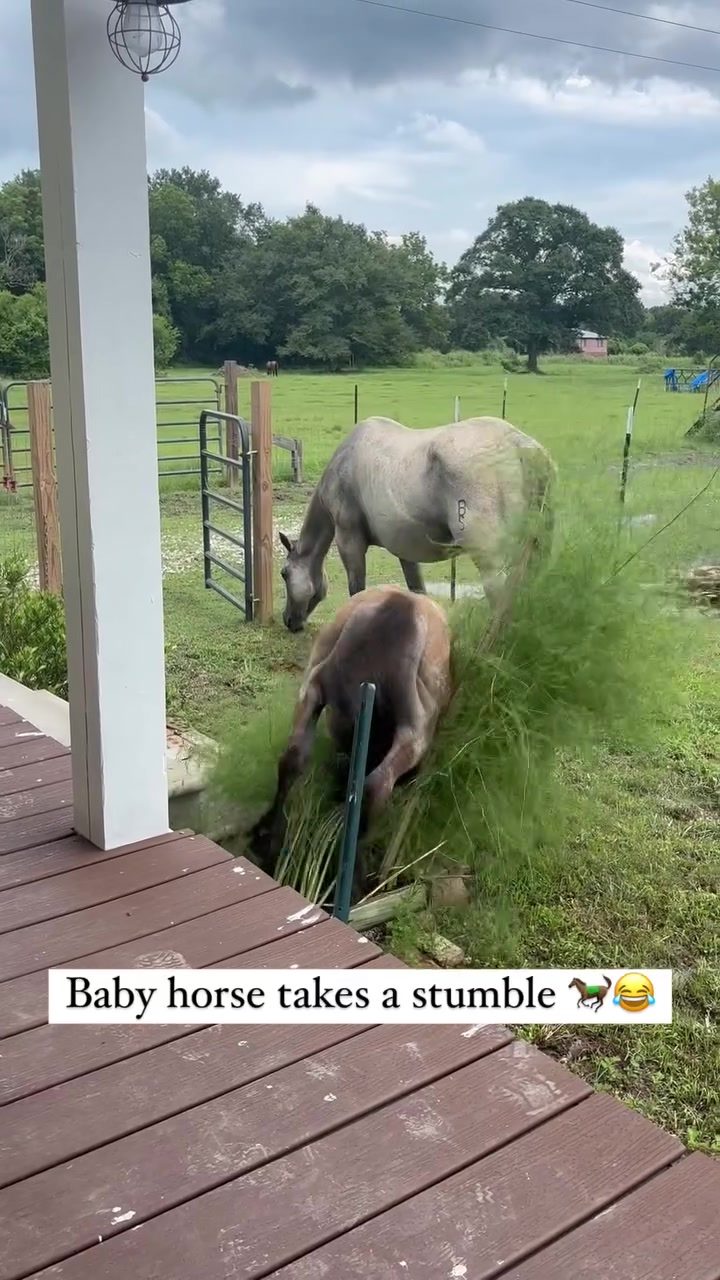
Baby Horses and Their Growing Pains
Baby horses, or foals, are a delight to watch as they grow and explore the world. It’s common to see them stumbling and falling as they learn to walk and coordinate their movements. This is a natural part of their development, much like human infants learning to crawl and walk.
Context and Why This Matters
Understanding the development of baby horses can enrich interactions with these animals. The process is both charming and informative, offering insights into the growth and learning behaviors of young equines. Foals typically take their first steps within a few hours of birth and rapidly develop motor skills. The stumbling and falling are part of this learning curve, helping them build strength and coordination.
The Growth and Development of Foals
Early Days: First Steps
Baby horses are remarkably quick to get on their feet. Within just a few hours of birth, foals can stand and even walk. This swift onset of mobility is crucial for their survival, as it allows them to keep up with their mothers and avoid predators. The first few hours post-birth are critical for bonding and learning essential behaviors, including nursing and recognizing their mother's voice and scent.
Learning to Coordinate
Like human infants, foals need time to learn how to coordinate their movements. Stumbling and falling are common as they practice walking, running, and navigating their environment. These missteps are not a sign of weakness or poor health but rather a necessary part of developing motor skills. Over time, foals become more stable and sure-footed, gradually reducing the frequency of tumbles.
Social Learning
Foals also learn a great deal from observing their mothers and other horses in the herd. Mimicking the behaviors of adult horses helps them quickly adopt the skills needed to survive and thrive. This includes everything from grazing techniques to social interactions and herd dynamics.
Practical Tips for Interacting with Baby Horses
Interacting with baby horses can be a rewarding experience, but it requires patience and understanding. Here are some practical tips:
Be Patient
Foals are still learning and developing their motor skills. They may stumble and fall frequently, and it's important to give them space and time to learn. Avoid rushing them or expecting too much too soon.
Observe from a Distance
When first interacting with a foal, it’s best to observe from a distance. This allows the foal to get used to your presence without feeling threatened or overwhelmed. Gradually, you can move closer, always being mindful of the foal’s comfort level.
Offer Gentle Support
If a foal falls and seems distressed, approach calmly and offer gentle support. Always ensure that your actions are safe for both you and the foal. Most of the time, foals will quickly get back up on their own, but your presence can provide a sense of security.
Important Takeaways
Baby horses are fascinating creatures that go through a rapid and dynamic development process. Their early stumbles and falls are a natural part of this journey, helping them build strength and coordination. By understanding this process, we can appreciate the beauty and resilience of these young animals.
Conclusion
Watching a baby horse stumble and fall is both endearing and enlightening. It offers a glimpse into the early stages of a horse’s life, highlighting the natural progression of learning and development. Whether you’re a seasoned equestrian or simply an animal enthusiast, observing these moments can deepen your appreciation for the complexities and joys of equine growth. So, the next time you see a foal taking its first wobbly steps, remember that each stumble is a step toward becoming a strong, confident horse.
Watch the Reel
Questions readers ask
Why do baby horses often fall and tumble as they learn to walk?
Baby horses, or foals, fall and tumble as they learn to walk because they are still developing their coordination and strength. These falls are a normal part of their growth process, similar to how human babies stumble as they learn to walk.
How soon after birth do foals start trying to walk?
Foals typically take their first steps within a few hours after birth. This early mobility is crucial for their rapid development of motor skills.
What can we learn from watching foals learn to walk?
Observing foals learn to walk provides insights into the natural growth and learning behaviors of young equines. It highlights the importance of trial and error in developing strength and coordination.
Are there any benefits to foals falling and tumbling?
Yes, the falls and tumbles help foals build strength and coordination. Each stumble is a step towards mastering their movements and gaining confidence in their abilities.
Why do videos of baby horses falling go viral?
Videos of baby horses falling go viral because they capture the charm and humor of young animals learning to navigate the world. These moments are relatable and endearing, making them popular among viewers of all ages.
How can understanding foal development help in interacting with them?
Understanding foal development can make interactions with these animals more rewarding. Knowing that their clumsy behavior is a natural part of growth helps in being patient and appreciative of their progress.
Related deep dives
Similar reads based on topic and creator.




Recent articles
Fresh deep dives from the latest Reels we unpacked.




Comments
Be the first to comment.