ADHD and Diet
Attention-deficit/hyperactivity disorder (ADHD) is a neurodevelopmental condition that affects both children and adults, often characterized by inattention, hyperactivity, and impulsivity. While established treatments such as medication and behavioral therapy are widely recognized, there is growing interest in the role of diet in managing ADHD symptoms. The 2011 INCA trial provides intriguing insights into how dietary interventions can influence ADHD in young children.
Context / Why this matters
Around 5% of school-aged children worldwide are diagnosed with ADHD, making it one of the most common neurodevelopmental disorders. Many parents and caregivers are eager to explore non-pharmacological approaches to managing ADHD symptoms, particularly in young children. Dietary interventions, such as elimination diets, offer a potential complementary strategy to traditional treatments, possibly reducing reliance on medication and addressing underlying dietary sensitivities.
Main discussion
The INCA Trial: Exploring the Elimination Diet
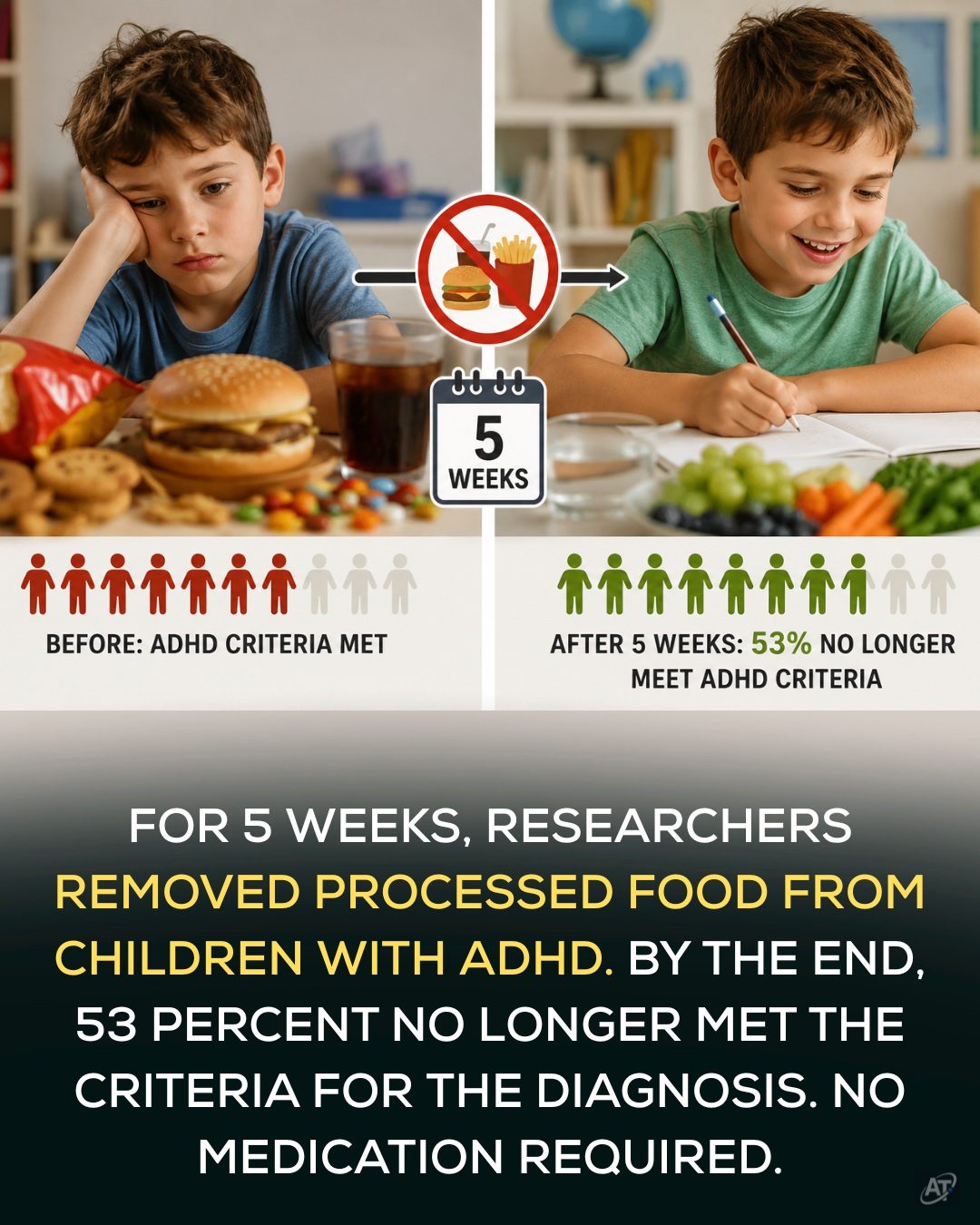
The 2011 INCA trial, a study conducted in the Netherlands, aimed to investigate the impact of an elimination diet on ADHD symptoms in children. The trial involved 100 children aged four to eight, all of whom had been diagnosed with ADHD. The children were split into two groups: one following a highly restricted, individually tailored elimination diet for five weeks, while the other received general healthy-eating guidance.
The elimination diet group showed significant improvements. Thirty-two of the 50 children in this group met the study’s definition of a clinical response, experiencing at least a 40% reduction in ADHD symptoms as measured by a standardized rating scale. In contrast, the control group, which followed general healthy-eating guidelines, did not show a comparable improvement.
The study's findings suggested that certain foods may influence ADHD symptoms in a subgroup of children. However, the trial had limitations. The first phase was not fully blinded, meaning parents and teachers knew which diet the children were following, potentially affecting their assessment of symptom severity. Additionally, the study did not identify specific food categories, such as artificial colors, preservatives, or refined sugar, as the primary triggers. Instead, the foods varied between children, and the researchers did not explore potential underlying mechanisms, such as the gut microbiome, intestinal permeability, brain inflammation, or neurotransmitter levels.
The Food Challenge Phase
Following the initial five-week period, 30 of the children who responded positively to the elimination diet entered a blinded food-challenge phase. Researchers reintroduced two groups of individually selected foods back into each child’s diet to determine which, if any, triggered a return of symptoms. Nineteen of the 30 children (63% of the responders) experienced a significant worsening of symptoms during at least one challenge. However, blood tests measuring food-specific IgG antibodies did not accurately predict which foods would cause a reaction. This makes it difficult to use the common food sensitivity tests as a standard for eliminating foods from the diet.
Subsequent Research and Findings
More recent studies have provided a more nuanced understanding of the relationship between diet and ADHD. While the INCA trial showed promising results, a larger trial involving 165 children found that both an elimination diet and an ordinary healthy diet were associated with symptom improvement. In this study, the healthy-diet group performed at least as well on several outcomes, suggesting that a balanced, nutritious diet alone may be sufficient for managing ADHD symptoms in many children.
Moreover, the longer-term benefits of dietary interventions remain uncertain. One-year follow-up findings from the INCA trial favour beginning the elimination diet as early as possible. It is important to note that while dietary changes can be beneficial, they are not a replacement for established treatments such as medication and behavioral therapy.
Practical tips
Implementing a Healthy Diet
Given the potential benefits of dietary interventions, consider the following practical tips for implementing a healthy diet for children with ADHD:
-
Focus on Whole Foods: Prioritize whole, unprocessed foods, including fruits, vegetables, lean proteins, and whole grains. Limit or avoid processed snacks, sugary drinks, and artificial additives.
-
Elimination Diet as a Last Resort: While an elimination diet can be effective, it should be approached with caution and under the guidance of a healthcare professional. This diet involves removing all potential trigger foods for a set period and then reintroducing them one at a time to identify sensitivities.
-
Gradual Changes: Make dietary changes gradually to allow the body and mind to adjust. Sudden and drastic changes can be difficult for children to accept and may lead to non-compliance.
-
Hydration: Ensure adequate hydration. Sometimes, symptoms of dehydration can mimic those of ADHD, so encouraging regular water intake is essential.
-
Consult a Professional: Work with a registered dietitian or nutritionist who has experience in ADHD and dietary interventions. They can provide personalized guidance and help monitor progress.
Working with Healthcare Providers
Parents and caregivers should always consult with healthcare providers before making significant dietary changes, particularly for children with diagnosed ADHD. While dietary interventions can be beneficial, they should complement, not replace, established treatments. Regularly discuss any changes or concerns with your child's healthcare provider to ensure a comprehensive and effective management plan.
Important takeaways
- The 2011 INCA trial demonstrated that a strict elimination diet can significantly reduce ADHD symptoms in some young children.
- Dietary interventions should be part of a comprehensive management plan that includes established treatments like medication and behavioral therapy.
- More research is needed to identify specific dietary triggers and understand the underlying mechanisms.
- Recent studies suggest that a balanced, nutritious diet alone may be sufficient for managing ADHD symptoms in many children.
- Always consult with healthcare providers before implementing significant dietary changes.
Conclusion
While the 2011 INCA trial offers promising insights into the potential benefits of dietary interventions for managing ADHD symptoms, it is essential to approach this topic with a balanced perspective. Dietary changes can be a valuable complementary strategy, but they should not replace established treatments. Future research is needed to better understand the relationship between diet and ADHD, identify specific dietary triggers, and develop more targeted and effective interventions.
Watch the Reel
Questions readers ask
What was the main finding of the 2011 INCA trial regarding ADHD and diet?
The INCA trial found that by removing processed foods and following a tailored elimination diet, 53% of children with ADHD experienced a 40% reduction in symptoms. This suggests that dietary changes can complement traditional ADHD treatments.
What types of foods should be avoided in an ADHD elimination diet?
An elimination diet for ADHD typically focuses on removing processed foods, which often include artificial additives, preservatives, and high levels of sugar and unhealthy fats. Foods like pre-made snacks, sugary cereals, and fast food are commonly restricted.
Can dietary changes replace ADHD medication?
While dietary interventions like the elimination diet have shown promising results in reducing ADHD symptoms, they are generally recommended as a complementary approach. They should not replace prescribed medication without consultation with a healthcare provider, as medication is often crucial in managing severe symptoms.
What are some healthy dietary alternatives for children with ADHD?
A healthy diet for children with ADHD typically includes fresh fruits and vegetables, lean proteins such as fish and poultry, and whole grains. These foods provide essential nutrients that support brain function and overall health.
How does an ADHD elimination diet work?
An ADHD elimination diet involves removing certain foods that are believed to exacerbate symptoms, such as processed foods, artificial additives, and common allergens. After a period of elimination, these foods are reintroduced one at a time to identify any that may trigger symptoms. This process helps tailor the diet to each child's specific needs.
What percentage of children with ADHD showed improvement in the INCA trial?
In the INCA trial, 53% of the children with ADHD who followed the elimination diet experienced a significant improvement in their symptoms. This highlights the potential benefits of dietary interventions for managing ADHD in children.
What are the first steps to implementing an ADHD diet for children?
The first steps involve consulting with a healthcare provider or a registered dietitian to develop a tailored elimination diet plan. It's essential to monitor the child's symptoms and food intake carefully, making adjustments as necessary based on observed improvements or setbacks.
Related deep dives
Similar reads based on topic and creator.




Recent articles
Fresh deep dives from the latest Reels we unpacked.




Comments
Be the first to comment.