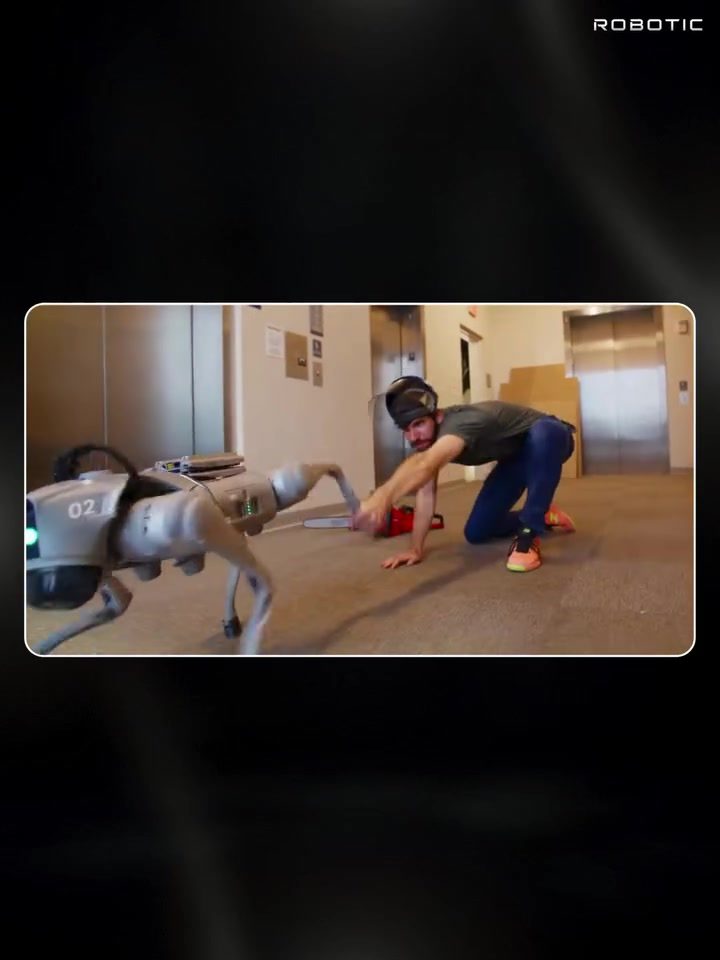
Robotic Dogs: The Future of Adaptive Robotics
Robotic dogs are at the forefront of a new generation of robots designed to adapt to their environments rather than fail when damaged. These advanced machines are equipped with innovative systems like the Skild Brain, which is trained across millions of scenarios to understand the fundamental laws of physics.
Context / Why this matters
The ability of robotic dogs to adapt to changing environments and physical challenges is a significant advancement in the field of robotics. Traditional robots often rely on prewritten instructions and are programmed for specific tasks. In contrast, these new adaptive robots can think, learn, and discover new ways to move in real-time. This capability is crucial for applications in hazardous environments, where robots must function autonomously and adapt to unexpected conditions.
Main discussion
The Skild Brain: A Centralized Control System
The Skild Brain is the central control system powering these adaptive robotic dogs. Unlike traditional robotic systems, which are programmed for specific tasks, the Skild Brain is trained to understand the fundamental laws of physics. By doing so, it can respond to problems in real-time, whether dealing with a lost limb, a damaged joint, or carrying heavy loads.
This centralized control system, highlighted by the phrase "One Brain, Any Robot," allows for a high degree of adaptability. The robot's ability to understand and apply physics principles means it can find new ways to navigate and perform tasks, regardless of the obstacles it encounters. This system is a significant step towards creating general-purpose robots that can operate in a variety of environments.
Demonstrating Adaptability
The demonstration showcases the robotic dog's movement and interaction capabilities in various settings. Text overlays like "Adapting..." and "FIRST TRIAL" suggest that the robot is constantly learning and improving its performance. This adaptability is a critical aspect of the robot's design, as it allows the robotic dog to respond to changes in its environment and physical condition.
The ability to adapt is particularly important in scenarios where the robot may encounter unexpected obstacles or damage. For example, if a robotic dog loses a limb or experiences joint damage, its adaptive systems allow it to find alternative ways to move and complete its tasks. This resilience makes robotic dogs suitable for applications in search and rescue, disaster response, and other high-risk environments.
Real-Time Problem Solving
One of the standout features of these adaptive robotic dogs is their ability to solve problems in real-time. By understanding the fundamental laws of physics, the Skild Brain can quickly assess a situation and determine the best course of action. Whether it's navigating around an obstacle, lifting a heavy object, or adjusting its movements to compensate for damage, the robotic dog can adapt on the fly.
This real-time problem-solving capability is a significant advancement in robotics. It allows robotic dogs to operate autonomously in dynamic environments, reducing the need for human intervention and increasing their effectiveness in various applications.
Push the boundaries of autonomy
The goal of this new generation of robots is to push the boundaries of autonomy and resilience in robotics. By creating general-purpose robots that can think, learn, and adapt, the aim is to develop machines that can function in a wide range of environments and conditions. This approach diverges from traditional robotics, which often relies on prewritten instructions and specific programming for tasks.
The ability to adapt and learn is a groundbreaking advancement in robotics. It allows for the creation of more versatile and resilient robots, capable of performing tasks in environments that would be challenging or impossible for traditional robots. Whether in industrial settings, search and rescue operations, or everyday household tasks, these adaptive robotic dogs represent a significant leap forward in the field.
Practical tips
Understanding the Limitations
While adaptive robotic dogs offer numerous advantages, it's important to understand their limitations. These robots are still in the early stages of development, and while they can adapt to many situations, they are not infallible. Factors such as the complexity of the environment, the severity of damage, and the specific tasks required can all impact their performance.
Maintenance and Updates
Regular maintenance and updates are essential for keeping these robotic dogs functional and effective. The Skild Brain and other adaptive systems rely on continuous learning and improvement, so staying up-to-date with the latest software and hardware updates is crucial.
Training and Integration
For optimal performance, it's important to train these robotic dogs in various scenarios and environments. This training helps them understand and adapt to different situations more effectively. Additionally, integrating these robots with other systems and devices can enhance their capabilities and make them more versatile in various applications.
Important takeaways
The development of adaptive robotic dogs represents a significant advancement in robotics. These machines, equipped with systems like the Skild Brain, can think, learn, and adapt to changing physical environments in real-time. This adaptability, combined with their ability to understand and apply the fundamental laws of physics, makes them highly versatile and resilient.
The key to their effectiveness lies in their centralized control system, which allows them to operate autonomously and find new ways to move and perform tasks. Whether in hazardous environments, search and rescue operations, or everyday household tasks, these robotic dogs have the potential to revolutionize the way we interact with and utilize robotic technology.
Conclusion
The future of robotics is bright, and adaptive robotic dogs are leading the way. With their ability to adapt, learn, and think in real-time, these robots are pushing the boundaries of what is possible in the field. As technology continues to advance, we can expect to see even more innovative and capable robotic systems, transforming industries and improving our daily lives.
Watch the Reel
Questions readers ask
What makes robotic dogs different from traditional robots?
Robotic dogs, unlike traditional robots, are designed to adapt to their surroundings and physical challenges in real-time. They use advanced systems like the Skild Brain, which allows them to learn and respond to new situations on the fly, rather than relying on prewritten instructions for specific tasks.
How does the Skild Brain system work in robotic dogs?
The Skild Brain system is a sophisticated AI that has been trained across millions of scenarios to understand fundamental physics. This enables robotic dogs to navigate and adapt to diverse environments, making them suitable for unpredictable or hazardous situations. The system allows the robots to learn from and respond to physical challenges as they occur.
Why are robotic dogs ideal for hazardous environments?
Robotic dogs are well-suited for hazardous environments because of their ability to adapt and learn in real-time. This makes them valuable for tasks in unpredictable or dangerous situations where traditional robots might fail. Their resilience and adaptability allow them to continue functioning effectively even when damaged.
Can robotic dogs be used for purposes other than navigating challenges?
While robotic dogs excel in navigating challenges, their adaptability and real-time learning capabilities make them suitable for a wide range of applications. These can include search and rescue missions, environmental monitoring, and even assisting in industrial settings where conditions can change rapidly.
How do robotic dogs learn and adapt to new situations?
Robotic dogs learn and adapt through systems like the Skild Brain, which is pre-trained on a vast number of scenarios. This training allows the robots to understand and apply the laws of physics to new situations, enabling them to find innovative solutions to physical challenges as they encounter them.
What are the benefits of using AI in robotic dogs?
AI in robotic dogs, particularly through adaptive systems like the Skild Brain, provides several benefits. These include the ability to navigate complex environments, respond to real-time changes, and learn from experiences. This makes robotic dogs more versatile and reliable, especially in situations where adaptability is crucial.
What are the key differences between robotic dogs and robotic pets?
Robotic dogs and robotic pets serve different purposes. Robotic dogs are designed for practical applications in real-world, often challenging environments, using advanced AI to adapt and learn. In contrast, robotic pets are typically designed for companionship and entertainment, focusing on interactive and playful features rather than real-time learning and adaptability.
Related deep dives
Similar reads based on topic and creator.



Recent articles
Fresh deep dives from the latest Reels we unpacked.




Comments
Be the first to comment.