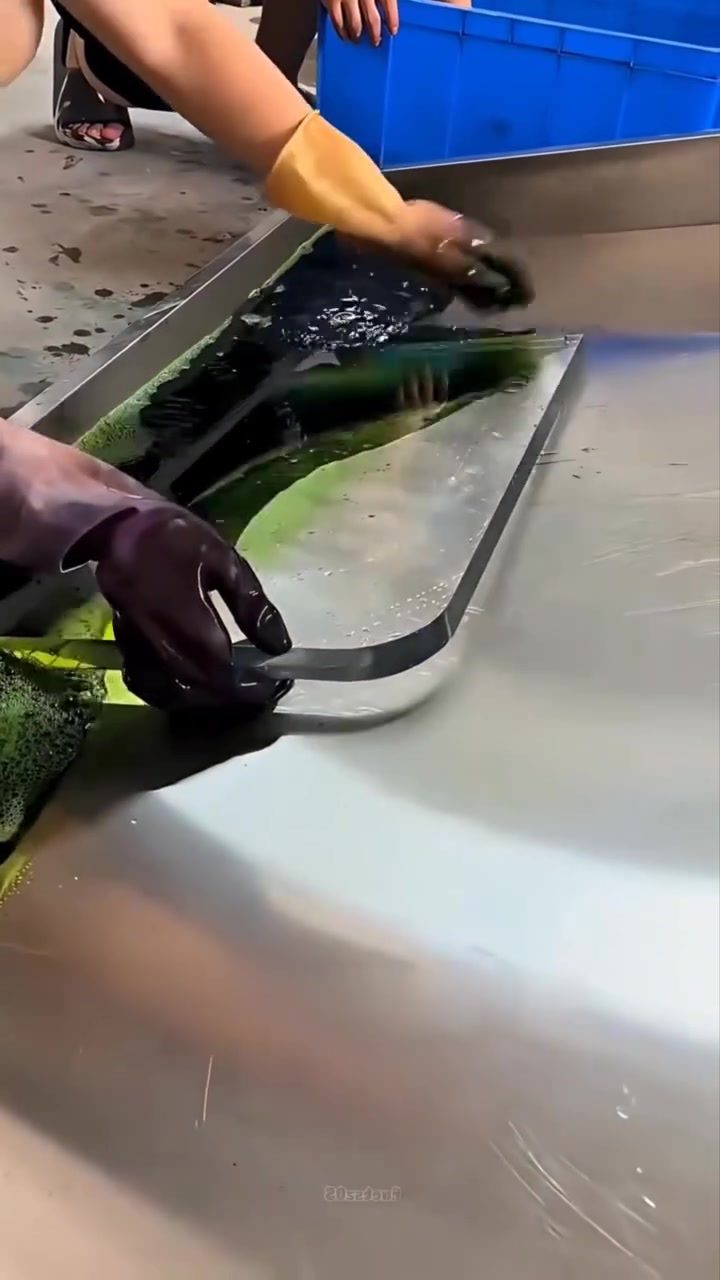
Acrylic Resin Casting: The Science Behind Its Vibrant, Long-Lasting Color
Acrylic resin casting is a crafting process that produces vibrant, translucent objects. The secret to the stunning, long-lasting color of high-end acrylic resin lies in a unique dyeing process that goes far beyond simple painting.
Why This Matters
Understanding the difference between painted and dyed acrylic resin is crucial for crafters aiming to achieve professional results. The dyeing process enhances the acrylic's clarity and durability, making it suitable for a wide range of applications.
The Process: How High-End Acrylic Gets Its Color
The Myth of Painted Acrylic
Many believe that acrylic resin gets its color from a coat of paint. While this method can make acrylic look good, it has significant drawbacks. Painted acrylic blocks light, ruining its crystal-clear transparency and giving it a dull, opaque appearance. This is far from the desired glass-like finish.
The Advanced Dyeing Process
High-end acrylic resin is colored through a more sophisticated process. Here's how it works:
-
Heating: The acrylic sheet is heated to a specific temperature. This step is crucial as it prepares the material to absorb the dye evenly.
-
Dye Bath: The heated acrylic is then submerged in a special dye bath. Unlike painting, this method doesn't just coat the surface; it allows dye molecules to penetrate deeply into the material.
-
Penetration: The dye molecules become part of the acrylic itself, integrating with the material on a molecular level. This deep penetration is what gives high-end acrylic its vibrant, even color.
The Result: Vibrant, Durable Color
The finished acrylic resin has several key advantages:
- Vibrant Color: The deep penetration of dye molecules results in a rich, even color.
- Light Transparency: Unlike painted acrylic, dyed acrylic allows light to pass through beautifully, maintaining its glass-like appearance.
- Durability: The color won't easily fade or chip, ensuring the acrylic retains its shine over time.
Practical Tips for Acrylic Resin Casting
Choosing the Right Dyes
To achieve the best results, choose high-quality dyes specifically designed for acrylic resin. These dyes are formulated to penetrate the material effectively, ensuring vibrant and durable color.
Proper Heating and Temperature Control
Accurate temperature control is essential during the heating process. Follow the manufacturer's guidelines to ensure the acrylic reaches the optimal temperature for dye absorption. Some acrylic resins require precise temperature ranges, so using a thermometer can be helpful.
Safety Precautions
Always work in a well-ventilated area when handling dyes and heated acrylic. Use appropriate protective gear, including gloves and safety goggles, to protect yourself from potential hazards.
Mixing and Pouring Resin
Follow these steps for successful resin casting:
- Mixing: Carefully measure and mix the resin according to the manufacturer's instructions. Ensure the mixture is free of bubbles to achieve a smooth finish.
- Pouring: Pour the mixed resin into your molds slowly and evenly. This helps prevent air bubbles and ensures the resin settles uniformly.
- Curing: Allow the resin to cure completely before removing it from the mold. Curing times can vary, so refer to the product specifications for guidance.
Important Takeaways
- Dyeing vs. Painting: Dyeing acrylic resin results in a more vibrant and durable color compared to painting. The dye molecules penetrate deeply, becoming part of the material.
- Light Transparency: The dyeing process maintains the acrylic's clarity, allowing light to pass through beautifully.
- Durability: Dyed acrylic retains its color and shine over time, making it a superior choice for high-end applications.
Conclusion
Acrylic resin casting combines art and science to create stunning, durable pieces. By understanding and mastering the dyeing process, crafters can achieve professional, long-lasting results. Whether you're a beginner or an experienced resin artist, the insights and tips provided here can help you elevate your craft and create stunning acrylic resin objects.
Watch the Reel
Questions readers ask
What is the main difference between painted and dyed acrylic resin?
The main difference lies in how the color is integrated into the acrylic resin. Painted resin has color applied on top, while dyed resin has color integrated throughout, providing much better clarity and durability.
Is acrylic resin dyeing technique only for professionals?
Not at all. While it may seem complex, acrylic resin dyeing is a technique that many hobbyists can learn with practice. It opens up a world of possibilities for vibrant, durable crafting projects.
Can I achieve the same results by simply painting acrylic resin?
Painting acrylic resin can achieve immediate, aesthetically pleasing results, but it lacks the depth and longevity of dyed resin. Painted resin may peel, fade, or scratch over time and with handling.
What are the benefits of using dyed acrylic resin for crafting?
Dyed acrylic resin offers several benefits, including vibrant, translucent colors that won't fade or peel. It also maintains its clarity and durability, making it ideal for a wide range of crafting projects.
How does the dyeing process affect the transparency of acrylic resin?
The dyeing process enhances the transparency of acrylic resin by integrating color evenly throughout the material, unlike painting, which can obscure or cloud the surface.
What types of projects are best suited for high end dyed acrylic resin?
Dyed acrylic resin is perfect for projects where vibrant, long-lasting color and durability are key. This includes jewelry, decorative items, and art pieces that require clear, translucent, and resilient material.
Are there special tools needed for dyeing acrylic resin?
The process of dyeing acrylic resin typically requires mixing tools, measuring cups, and the appropriate dyes. Most resin crafters already have these tools, or they can be easily acquired at craft stores.
Recent articles
Fresh deep dives from the latest Reels we unpacked.




Comments
Be the first to comment.