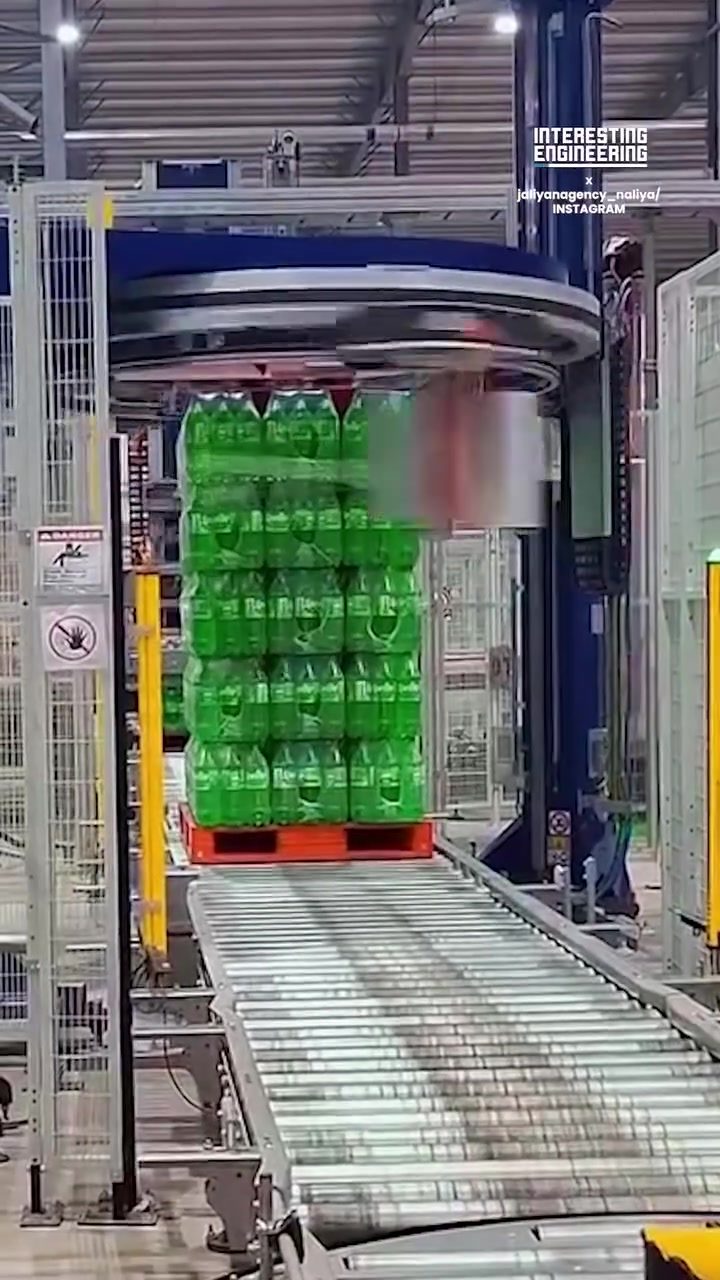
Automated Bottling Systems: Efficiency in Beverage Production
Automated bottling systems are revolutionizing the beverage production and manufacturing industry with their speed, precision, and efficiency. By enhancing productivity and reducing manual labor, these systems are crucial for modern production lines.
Conveyor Belts and Wrapping Machines: Key Components
Conveyor belts are fundamental in automated bottling systems. They transport stacks of bottles through various stages of the production process. A key stage involves the wrapping machine, which swiftly binds the bottles together, preparing them for distribution. The integrated system ensures a streamlined process, from bottle movement to their final packaging.
The integration of a robotic arm further enhances the efficiency of the bottling process. The robotic arm is used for precise positioning of the bottles, ensuring that they are correctly placed on the conveyor belt. This automation reduces the risk of human error and increases the overall speed of the bottling process.
The Role of Automation in Bottling
Automation in the bottling process involves several advanced components working together seamlessly. The robotic arm's ability to move and stack bottles with precision is a critical aspect of automation. The conveyor belt system efficiently transports these bottles through the production line, ensuring that each bottle reaches the wrapping machine in a timely and orderly manner. This integration of robotic and conveyor systems ensures that the bottles are swiftly bound together and prepared for distribution.
The Benefits of Automated Bottling Systems
Increased Efficiency and Productivity
Automated bottling systems significantly enhance the productivity of beverage production lines. By automating repetitive tasks such as bottle movement and stacking, these systems free up human labor for more complex tasks. This leads to a more efficient production process, allowing manufacturers to meet higher demands with ease.
Reduced Human Error
One of the most significant advantages of automated bottling systems is the reduction of human error. The precise movements of the robotic arm and the controlled transportation of the conveyor belt ensure that the bottles are processed accurately, reducing the likelihood of errors that could lead to product waste or delays.
Cost Savings
Automated systems can lead to substantial cost savings in the long run. Although the initial investment in automation can be high, the reduction in manual labor and increased efficiency can offset these costs over time. Additionally, the decreased likelihood of errors means fewer reworks and less waste, further contributing to cost savings.
Practical Tips for Implementing Automated Bottling Systems
When considering the implementation of automated bottling systems, there are several practical tips to keep in mind:
Assess Your Needs
Before investing in an automated system, it is crucial to assess your specific needs. Consider the volume of production, the types of beverages, and the existing infrastructure. Understanding these factors will help in selecting the most appropriate automated solution tailored to your requirements.
Train Your Staff
Even though automation reduces the need for manual labor, it is essential to train your staff on how to operate and maintain the new systems. This training ensures that the systems run smoothly and that any issues can be addressed promptly.
Plan for Maintenance
Like any other machinery, automated bottling systems require regular maintenance to function optimally. Develop a maintenance schedule and ensure that the necessary spare parts are always available. Regular maintenance will extend the lifespan of the equipment and minimize downtime.
Focus on Integration
Ensure that the automated bottling system integrates well with your existing production line. Compatibility with other equipment and smooth workflows are crucial for the success of the automated system.
Important Takeaways
Automated bottling systems offer numerous benefits, including increased efficiency, reduced human error, and cost savings. However, successful implementation requires careful planning, staff training, and regular maintenance. By focusing on these aspects, manufacturers can fully leverage the advantages of automated bottling systems and enhance their production processes.
Conclusion
Automated bottling systems are transforming the beverage manufacturing industry. Their ability to streamline the production process, reduce errors, and save costs makes them an invaluable asset for modern production lines. By understanding the key components, the benefits, and the practical tips for implementation, manufacturers can achieve higher productivity and meet the growing demands of the market.
Watch the Reel
Questions readers ask
How do conveyor belts contribute to the efficiency of automated bottling systems?
Conveyor belts play a crucial role in automated bottling systems by transporting bottles through various stages of production. They ensure continuous movement, reducing downtime and enhancing overall productivity. By integrating with other components, conveyor belts facilitate a smooth transition of bottles from one process to the next, ensuring swift and efficient handling.
What is the role of wrapping machines in automated bottling lines?
Wrapping machines are essential for securing bottles together post-filling. They swiftly and accurately bind bottles, preparing them for distribution. This component ensures that the final product is stable and protected during transportation, contributing to the overall efficiency of the bottling process.
How do automated bottling systems reduce manual labor?
Automated bottling systems minimize the need for manual intervention by using conveyor belts and robotic arms to handle tasks such as bottle movement, filling, and packaging. This reduction in manual labor not only speeds up production but also decreases the risk of human error, ensuring consistent product quality and reliability.
What are the benefits of integrating robotic arms in automated bottling systems?
Robotic arms enhance the precision and speed of automated bottling systems by performing delicate tasks such as filling and capping with high accuracy. They can handle repetitive tasks efficiently, reducing the likelihood of errors and bottlenecks in the production process.
How do automated bottling systems ensure swift and accurate bottle handling?
Automated bottling systems integrate various components like conveyor belts, wrapping machines, and robotic arms to maintain a continuous and precise flow of bottle handling. Each component is designed to perform specific tasks, ensuring that bottles are moved, filled, wrapped, and packaged with minimal delay and maximum accuracy. This integration leads to a more efficient and reliable production process.
What are the primary stages in an automated bottling system?
The primary stages in an automated bottling system include initial movement of bottles, filling, capping, labeling, and final packaging. Conveyor belts transport bottles through these stages, while wrapping machines and robotic arms handle specific tasks, ensuring a streamlined and efficient production process from start to finish.
Why are automated bottling systems crucial for modern beverage production?
Automated bottling systems are crucial for modern beverage production because they significantly boost productivity and consistency. By reducing manual labor and human error, these systems ensure that high-quality products are produced efficiently, meeting the demands of the market and enhancing overall manufacturing capabilities.
Related deep dives
Similar reads based on topic and creator.


Recent articles
Fresh deep dives from the latest Reels we unpacked.




Comments
Be the first to comment.