Building Aspirational Brands: Strategy, Storytelling, and Visual Identity
Branding is more than just a logo or a tagline; it's the essence of a company's identity and the promise it makes to its customers. Over the past seven years, a dedicated team has worked with over 150 founders to create brands that stand out, sell, and last. This is a deep dive into the strategies and creative processes behind building brands that connect, convert, and build lasting legacies.
Context / Why this matters
In a crowded marketplace, brands need to do more than just look good. They need to tell a story, evoke emotions, and create a lasting impression. This is where strategy meets storytelling, and where visual identities are crafted to build legacies. From protein shakes to beauty products and parenting apparel, the process of creating aspirational brands is both an art and a science.
Brand Strategy and Visual Identity
The Foundational Elements
Effective branding begins with a strong strategy grounded in the brand's mission, vision, and values. This strategy guides every aspect of the brand, from its visual identity to its packaging and marketing materials. A well-defined brand strategy ensures that the brand remains consistent and recognizable across all touchpoints.
The Role of Storytelling
Storytelling is a powerful tool in branding. It allows brands to connect with their audience on an emotional level, making the brand more memorable and relatable. By weaving a compelling narrative, brands can create a deeper connection with their customers, fostering loyalty and advocacy. For instance, the "Woop" brand uses a superhero theme to empower mothers, making it stand out in the parenting apparel market. Similarly, "Momyship" celebrates motherhood, creating a strong emotional bond with its audience.
Visual Identity and Packaging Design
Creating a Cohesive Visual Identity
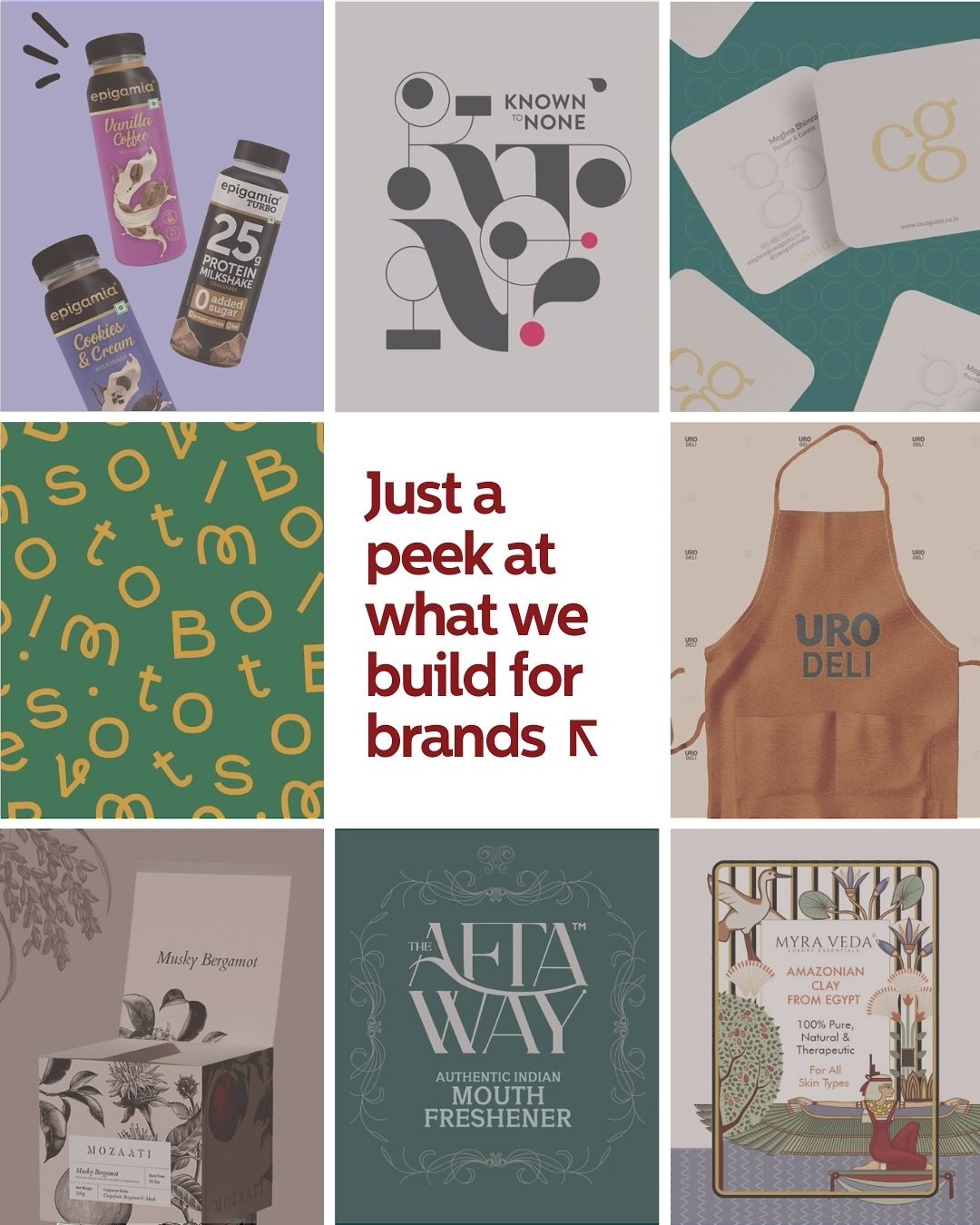
Visual identity encompasses everything from the brand's logo and color palette to its typography and imagery. A cohesive visual identity helps brands stand out in the marketplace, making them easily recognizable and memorable. For example, a subscription box for a brand like "Known To None" will feature a visually appealing design that aligns with its brand values and appeals to its target audience. The visual identity must be consistent across all brand assets, including product packaging and marketing materials.
The Importance of Packaging Design
Packaging design plays a crucial role in the overall brand experience. It is the first interaction a customer has with a product, and it can significantly influence their purchasing decision. Effective packaging design not only protects the product but also communicates the brand's values and story. For example, the packaging for Epigamia protein shakes highlights the protein content and flavors, making it clear what the product offers and why it stands out.
Crafting Aspirational Brands
From Visual Identities to Packaging Systems
Aspirational brands are those that inspire and motivate their audience. They are not just products; they are experiences, stories, and movement. Crafting an aspirational brand involves creating a unique visual identity, a compelling narrative, and a cohesive packaging system. Brands like Myra Veda, for example, evoke feelings of wellness and natural beauty. With 100% pure and natural ingredients, Myra Veda’s packaging and design reflect its commitment to authenticity and therapeutic benefits.
The Aesthetic Appeal of Beauty Products
Beauty products, in particular, rely heavily on their visual appeal. Brands like Myra Veda use beautiful, botanical imagery to create a visually appealing aesthetic that resonates with their target audience. Additional beauty products like Afta’s mouth freshener and Mozati’s perfume use sophisticated design elements to communicate their effectiveness and quality.
Empowering Mothers with "Woop" and "Momyship"
For parenting brands, such as "Woop" and "Momyship," the visual identity and packaging design must empower and inspire mothers. The superhero-themed cape from "Woop" and the "I AM a MIGHTY MOM" logo from "Momyship" create a strong, empowering message that resonates with their audience. The "Super Wooper" graphic further emphasizes the brand’s mission to celebrate and support motherhood.
Practical Tips
Building a Strong Brand Strategy
-
Define Your Brand's Mission, Vision, and Values
- These foundational elements will guide all aspects of your brand, from visual identity to marketing strategies.
-
Know Your Audience
- Understand their needs, preferences, and pain points to create a brand that resonates with them.
-
Create a Compelling Narrative
- Storytelling helps to build an emotional connection with your audience.
Designing a Cohesive Visual Identity
-
Choose a Consistent Color Palette and Typography
- These elements should be consistent across all brand assets to create a recognizable visual identity.
-
Use High-Quality Imagery
- Beautiful, high-quality images can enhance the overall aesthetic and appeal of your brand.
-
Align Your Design with Your Brand’s Values
- Ensure that your visual identity aligns with your brand's mission and values to create a cohesive and authentic brand experience.
Crafting Effective Packaging Design
-
Focus on the First Impression
- Packaging is often the first interaction a customer has with your product. Make it count.
-
Communicate Your Brand’s Story and Values
- Use packaging to tell your brand’s story and highlight your unique selling points.
-
Ensure Consistency Across All Touchpoints
- From product labeling to packaging materials, ensure that your brand’s visual identity is consistent.
Important Takeaways
Building an aspirational brand requires a combination of strategic thinking, compelling storytelling, and cohesive visual identity. By understanding your audience and crafting a unique narrative, you can create a brand that stands out, inspires, and builds a lasting legacy. From the packaging of Epigamia protein shakes to the empowering messages of "Woop" and "Momyship," effective branding encompasses visual elements, strategic decisions, and consumer understanding.
Conclusion
Creating an aspirational brand is a journey of strategy, storytelling, and visual identity. By leveraging the power of design and narrative, brands can connect with their audience, convert customers, and build lasting legacies. Whether it's the natural beauty of Myra Veda, the nutritional benefits of Epigamia, or the empowering messages of "Woop" and "Momyship," brands have the power to inspire and influence. With a strong brand strategy, cohesive visual identity, and effective packaging design, brands can stand out in the marketplace and create meaningful connections with their customers.
Watch the Reel
Questions readers ask
What are the key elements of aspirational brand building?
Aspirational brand building involves creating a strong emotional connection with customers, crafting a compelling brand story, and developing a distinctive visual identity. This process goes beyond aesthetics and focuses on the brand's essence and the promise it makes to its customers.
How can brands create lasting impressions in a crowded marketplace?
To create lasting impressions, brands should focus on storytelling, evoking emotions, and maintaining consistency in their messaging and visuals. By differentiating themselves through unique stories and visual identities, brands can stand out and build lasting legacies.
What role does emotional marketing play in brand longevity?
Emotional marketing is crucial for brand longevity as it fosters a deep emotional connection with customers. Brands that can evoke feelings, whether through storytelling or visuals, are more likely to create lasting impressions and build loyal customer bases.
What is the significance of a strong branding strategy for startups?
A strong branding strategy for startups is vital as it helps new brands differentiate themselves in competitive markets. By defining their unique identity, startups can connect with their target audience, convert customers, and build a strong foundation for long-term growth.
How does Woop approach brand building to ensure longevity?
Woop focuses on understanding the core values and mission of each brand they work with. They then craft a unique visual identity and compelling narrative to create a strong emotional connection with customers, ensuring the brand stands out and endures over time.
Why is consistency important in long-term branding?
Consistency in branding is crucial for maintaining brand recognition and trust. When a brand consistently delivers on its promise through messaging and visuals, it reinforces its identity in the minds of customers, making it more likely to build a lasting legacy.
How can product branding contribute to a brand's legacy?
Product branding contributes to a brand's legacy by ensuring that each product aligns with the overall brand identity. Consistency in design, packaging, and messaging across products helps reinforce the brand's story and promise, making it more memorable and enduring.
Recent articles
Fresh deep dives from the latest Reels we unpacked.




Comments
Be the first to comment.