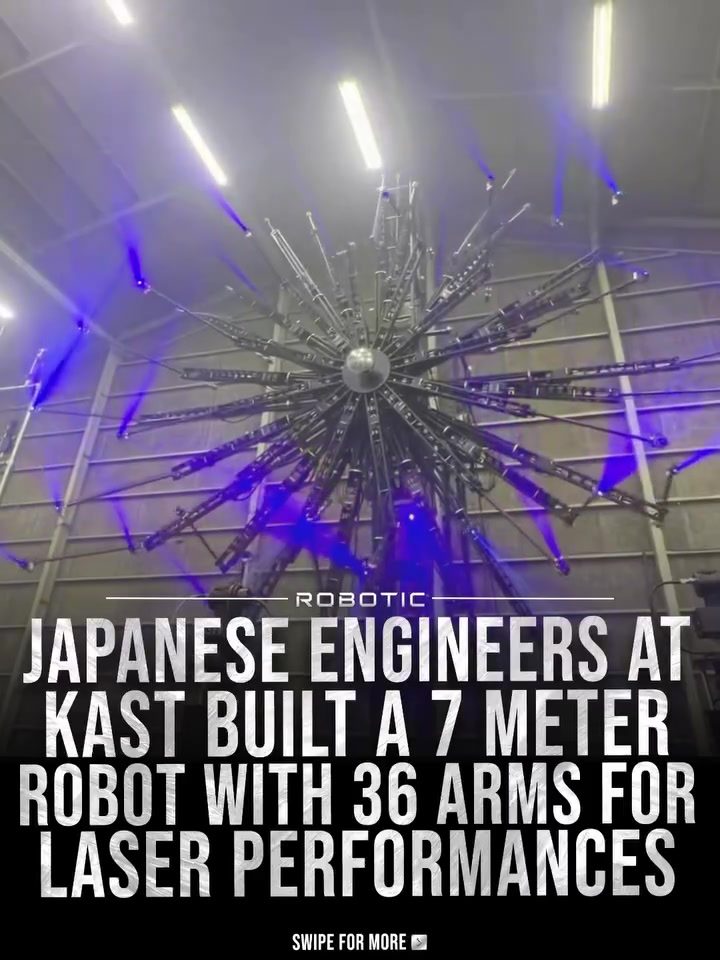
Robotic Laser Performance
The ROBOTIC 7-meter tall robot, designed by Japanese engineers at KAST, is a marvel of engineering and creativity. With 36 independently controlled robotic arms, this robot is engineered to deliver synchronized laser performances, showcasing the intersection of robotics, engineering, and precision motion control. This robot is not just a technological feat but a testament to how advanced robotics can be used beyond traditional industrial applications, extending into the realm of large-scale entertainment.
Context / Why this matters
The ROBOTIC robot is more than just a mechanical structure; it represents a new frontier in the application of robotics. Traditionally, robotics has been confined to industrial settings, automating repetitive tasks and enhancing productivity. However, this project demonstrates the potential of robotics in creative and artistic domains, where precision and synchronization are key.
Robotic performances, such as those delivered by the ROBOTIC robot, merge art and technology, creating awe-inspiring visual spectacles. This convergence of fields is not just a novel idea but a growing trend in the entertainment industry. As technology advances, we can expect more innovative uses of robotics in live performances, installations, and other forms of creative expression.
Main discussion
The Engineering Behind the ROBOTIC Robot
The ROBOTIC robot is a sophisticated piece of engineering. Its 7-meter height and 36 robotic arms require precise control systems to ensure smooth and synchronized movements. Each arm is independently controlled, allowing for complex and intricate laser displays. This level of precision is achieved through advanced robotics and engineering, combining hardware and software to create a seamless performance.
The robot's structure is designed to maximize its performance capabilities. The tall, towering design allows the laser displays to be projected from various angles, creating a more immersive experience for the audience. The arms are equipped with laser projectors that can emit different colors and patterns, adding to the visual spectacle.
Innovative Use of Laser Technology
The laser technology integrated into the ROBOTIC robot is another key component of its performance. Lasers are used to create vivid, colorful displays that sync perfectly with the robot's movements. The precision control of the lasers ensures that the displays are not just visually appealing but also coordinated with the robot's motions, making the performance more engaging and captivating.
Laser technology adds a layer of complexity to the performance, requiring precise calibration and control. The lasers must be synchronized with the robot's movements, ensuring that the displays are in harmony with the robot's actions. This synchronization is achieved through advanced algorithms and control systems, ensuring that the performance is seamless and flawless.
The Role of Precision Motion Control
Precision motion control is crucial for the ROBOTIC robot's performance. Each of the 36 arms must move in perfect synchronization to create the desired laser displays. This requires a high level of control and coordination, which is achieved through advanced motion control systems.
The motion control systems use sensors and feedback mechanisms to ensure that the arms move accurately and smoothly. This precision allows the robot to execute complex movements, creating intricate laser displays that captivate the audience. The control systems also ensure that the robot's performance is safe and reliable, minimizing the risk of malfunctions or errors.
The Artistic Vision Behind the Robot
The ROBOTIC robot is more than just a technological marvel; it is also an artistic vision. The engineers at KAST have combined engineering and art to create a robot that delivers a mesmerizing performance. The synchronized laser displays, the precise motions, and the overall visual spectacle are all part of an artistic vision aimed at creating a unique and unforgettable experience.
The robot's performance highlights the growing role of robotics in creative entertainment. It demonstrates how advanced robotics can be used to create immersive and engaging performances, showcasing the potential of technology in the arts. The robot is a testament to how engineering and art can come together to create something truly extraordinary.
The Future of Robotic Performances
The ROBOTIC robot is just the beginning. As technology continues to advance, we can expect more innovative uses of robotics in creative and artistic domains. The robot's performance is a glimpse into the future of entertainment, where robotics and technology will play an increasingly important role.
Future robotic performances may feature even more advanced technologies, such as AI-driven control systems, holographic displays, and interactive elements. These advancements will not only enhance the visual spectacle but also create more immersive and engaging experiences for the audience. The ROBOTIC robot serves as a foundation for future innovations, paving the way for a new era of robotic performances.
Practical tips
If you're interested in creating your own robotic performances, here are some practical tips to get you started:
Understanding the Basics of Robotics
Before diving into creating a robotic performance, it's essential to have a solid understanding of robotics. This includes knowledge of robotics hardware, software, and control systems. Familiarize yourself with the basics of robotics, such as actuators, sensors, and control algorithms.
Designing for Precision
Precision is key in robotic performances. Ensure that your robot's design allows for precise and coordinated movements. This may involve using high-quality actuators and sensors, as well as advanced control systems.
Integrating Laser Technology
Laser technology adds a visual element to robotic performances. When integrating lasers, ensure that they are synchronized with the robot's movements. This requires precise calibration and control, so be prepared to invest time and resources into this aspect.
Planning the Performance
A well-planned performance is crucial for success. Plan the movements, laser displays, and overall visual spectacle carefully. Use software to simulate the performance and make necessary adjustments.
Ensuring Safety
Safety is paramount in robotic performances. Ensure that your robot is safe and reliable, minimizing the risk of malfunctions or accidents. This may involve rigorous testing and safety checks.
Important takeaways
The ROBOTIC robot, designed by Japanese engineers at KAST, is a groundbreaking achievement in the field of robotics and entertainment. With 36 independently controlled robotic arms and a 7-meter tall structure, this robot delivers synchronized laser performances that showcase the potential of robotics in creative and artistic domains. The robot's performance highlights the growing role of robotics in large-scale entertainment, where engineering meets art through perfectly synchronized motion and laser technology.
The ROBOTIC robot is more than just a technological feat; it represents a new frontier in the application of robotics. This innovative use of robotics and laser technology is a testament to the potential of technology in the arts and entertainment, paving the way for future advancements and innovations.
Conclusion
The ROBOTIC robot is a marvel of engineering and creativity, showcasing the potential of robotics in large-scale entertainment. By combining advanced robotics, engineering, and precision motion control, the robot delivers immersive and engaging performances that captivate the audience. The innovative use of laser technology and the precision control of the robot's movements create a visual spectacle that is both awe-inspiring and mesmerizing. As technology continues to advance, we can expect more innovative uses of robotics in creative and artistic domains, paving the way for a new era of robotic performances. The ROBOTIC robot is a glimpse into the future of entertainment, where robotics and technology will play an increasingly important role.
Watch the Reel
Questions readers ask
How tall is the ROBOTIC robot and how many arms does it have?
The ROBOTIC robot stands at an impressive 7 meters tall and is equipped with 36 independently controlled arms. This unique design allows for complex and synchronized movements, enabling the robot to put on a mesmerizing laser display.
Who designed the 7-meter ROBOTIC robot?
The 7-meter ROBOTIC robot was designed by Japanese engineers at KAST, a team known for pushing the boundaries of engineering and creativity. The robot is a result of their expertise in precision engineering and robotics.
What makes the ROBOTIC robot's laser performance unique?
The ROBOTIC robot's laser performance is unique due to the synchronization of its 36 arms, each controlled independently. This precision engineering allows the robot to create intricate laser displays, making it a standout in the realm of large-scale entertainment.
Can the ROBOTIC robot be used for purposes other than entertainment?
While the ROBOTIC robot is primarily designed for entertainment, its advanced engineering and precision control systems could potentially be adapted for other purposes. However, its current application is a testament to the potential of robotics in creative and artistic domains.
What is the significance of the ROBOTIC robot in the field of robotics?
The ROBOTIC robot signifies a new frontier in the application of robotics, extending beyond traditional industrial uses. It demonstrates how advanced robotics can be utilized in large robot performances and other creative fields, showcasing the potential of precision engineering in entertainment.
How do the synchronized robot arms contribute to the laser display?
The synchronized robot arms contribute to the laser display by allowing for precise and coordinated movements. Each arm can be controlled independently, enabling the creation of complex and visually stunning laser patterns that captivate audiences.
What kind of performances can be expected from the ROBOTIC robot?
The ROBOTIC robot is designed to deliver synchronized laser performances, showcasing the intersection of robotics, engineering, and precision motion control. These performances are a result of the robot's advanced engineering and its ability to create intricate and mesmerizing laser displays.
Related deep dives
Similar reads based on topic and creator.


Recent articles
Fresh deep dives from the latest Reels we unpacked.




Comments
Be the first to comment.