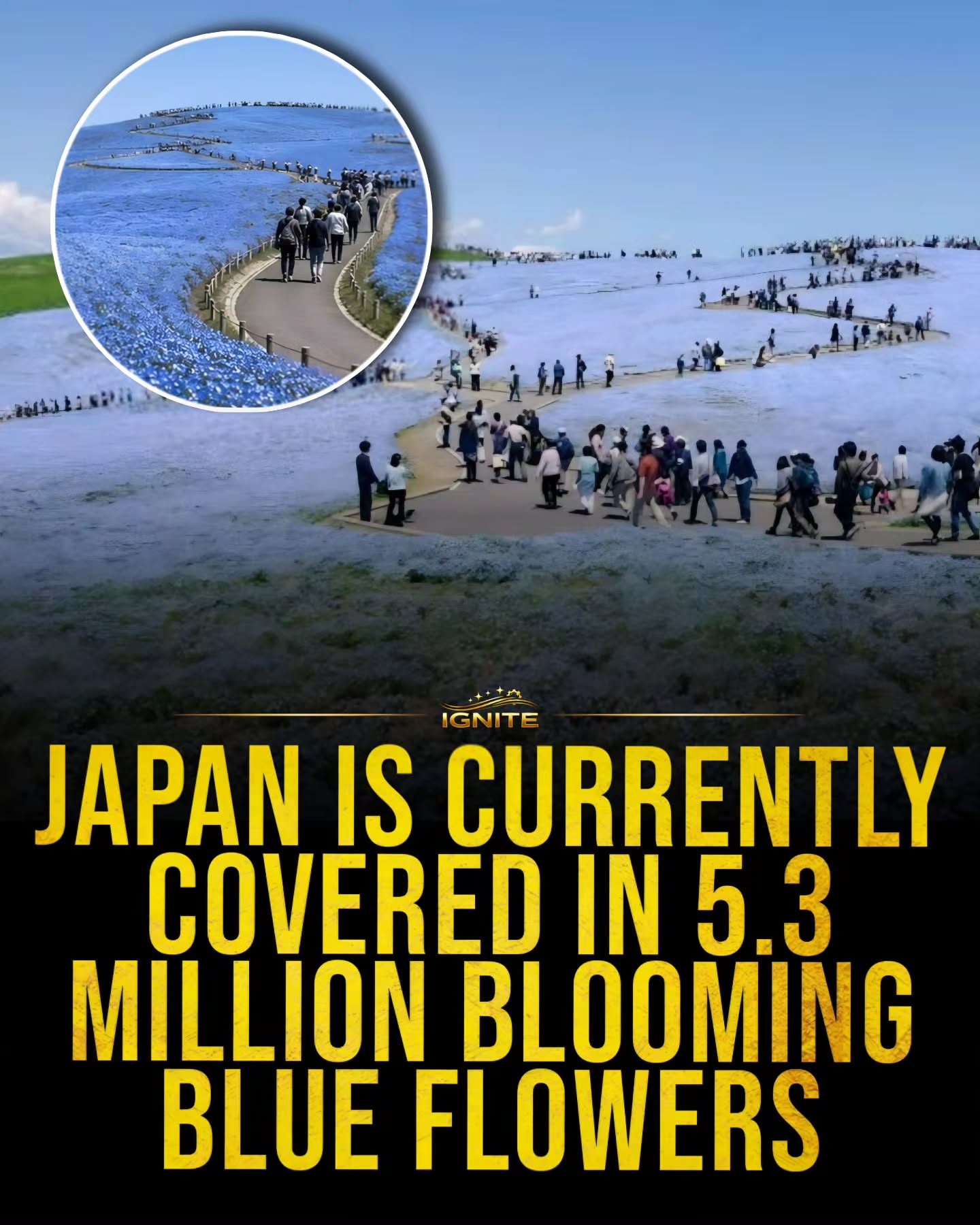
Blooming Flowers in Japan
Japan is experiencing a remarkable natural phenomenon as 5.3 million blue flowers blanket the country, attracting visitors from all corners. This stunning display of nature's beauty is more than just a picturesque sight; it's a testament to Japan's rich biodiversity and a significant draw for tourists.
Why This Matters
The blooming of 5.3 million blue flowers in Japan is not just a visual spectacle but also a vital aspect of the country's cultural and economic landscape. The phenomenon signifies the arrival of a specific season, attracting thousands of visitors who come to witness and celebrate the natural beauty. This surge in tourism is crucial for local economies and showcases Japan's commitment to environmental conservation and sustainable tourism.
Main Discussion
The Blue Flowers Phenomenon
The blue flowers that have taken over Japan are a mesmerizing sight to behold. These flowers do not only add to the aesthetic beauty of the landscape but also play a significant role in maintaining the ecological balance. The vast fields of blue flowers are a testament to the country's abundant natural resources and its dedication to preserving them.
The Impact on Tourism
The blooming season brings a large number of visitors to Japan, contributing significantly to the local economy. This natural phenomenon not only attracts tourists but also provides an opportunity for local businesses to thrive. From accommodation and dining to guided tours and souvenir shops, the economy benefits in numerous ways. Seeing thousands of people walking through the fields of blue flowers is a sight that truly captures the essence of this natural wonder.
The Ecological Significance
The blooming of these blue flowers has ecological significance. They provide habitats for various species, contributing to the biodiversity of the region. The blue flowers also play a crucial role in the nitrogen cycle, enriching the soil and supporting plant growth. This ecological balance is key to maintaining the health of the ecosystem, and it is essential to understand and appreciate the natural processes that make this phenomenon possible.
Practical Tips
When to Visit
If you plan to witness this natural spectacle, timing is crucial. The blooming season typically occurs during specific months, although the exact dates can vary depending on weather conditions. It's best to keep an eye on local weather forecasts and updates from the Japan National Tourism Organization.
Best Spots to See the Flowers
While the phenomenon is widespread, certain areas are known for their particularly stunning displays. Researching the best spots beforehand can enhance your experience. Popular destinations often offer guided tours, making it easier to navigate and appreciate the landscapes.
Essential Items to Bring
Visiting the blue flower fields requires some essential preparation. Comfortable walking shoes, a camera, and sun protection are must-haves. Bringing a picnic can also be a great idea if you plan to spend the day exploring the fields.
Local Etiquette
Respecting local customs and the environment is key to a fulfilling experience. Stick to designated paths, avoid picking or damaging the flowers, and be mindful of other visitors. Following these guidelines ensures that everyone can enjoy the beauty of the blue flower fields responsibly.
Important Takeaways
The blooming of 5.3 million blue flowers in Japan is a natural wonder that offers more than just visual beauty. It highlights the country's rich biodiversity, boosts local economies through tourism, and plays a crucial role in maintaining ecological balance.
Visitors can enjoy this spectacle by planning their trip during the blooming season, choosing the best spots, and being prepared with the right equipment. It's also essential to respect the environment and local customs to ensure a sustainable and enjoyable experience for everyone.
Conclusion
Japan's 5.3 million blooming blue flowers are a natural marvel that attracts thousands of visitors each year. This phenomenon not only showcases the country's natural beauty but also highlights its commitment to environmental conservation and sustainable tourism. Whether you're a nature enthusiast, a photographer, or simply looking for a unique experience, witnessing the blue flower fields in Japan is an unforgettable adventure.
Watch the Reel
Questions readers ask
What types of blue flowers are blooming in Japan?
The blue flowers blooming in Japan are primarily Nemophila, or baby blue eyes. These delicate flowers create a vibrant blue carpet across vast fields, producing a stunning visual display.
When is the best time to visit Japan to see the blue flowers?
The best time to visit Japan to see the blue flowers is typically from late April to early May. During this period, the weather is mild, and the flowers are in full bloom, offering the most picturesque landscapes.
Which regions in Japan are known for these blue flower blooms?
Some of the most popular regions to see the blue flowers in Japan include the Nemophila fields in the Shikoku region, and the fields in the Mie Prefecture. Each location offers unique landscapes and memorable experiences.
How does this natural phenomenon benefit local communities?
The bloom of 5.3 million blue flowers brings a significant economic boost to local communities through tourism. Visitors from around the world travel to Japan to witness this natural spectacle, supporting local businesses and creating job opportunities.
What efforts are being made to conserve these blue flowers in Japan?
Japan is committed to the conservation of these blue flowers through sustainable tourism practices and environmental protection measures. This includes managing visitor traffic to prevent damage to the fields and implementing initiatives to preserve the natural habitats of these flowers.
Are there any festivals or events related to the blue flower bloom?
Yes, there are several festivals and events, such as the Blue Flower Festival, which celebrate the blooming of these flowers. These festivals offer cultural performances, local cuisine, and guided tours, enhancing the overall experience for visitors.
Related deep dives
Similar reads based on topic and creator.




Recent articles
Fresh deep dives from the latest Reels we unpacked.



Comments
Be the first to comment.