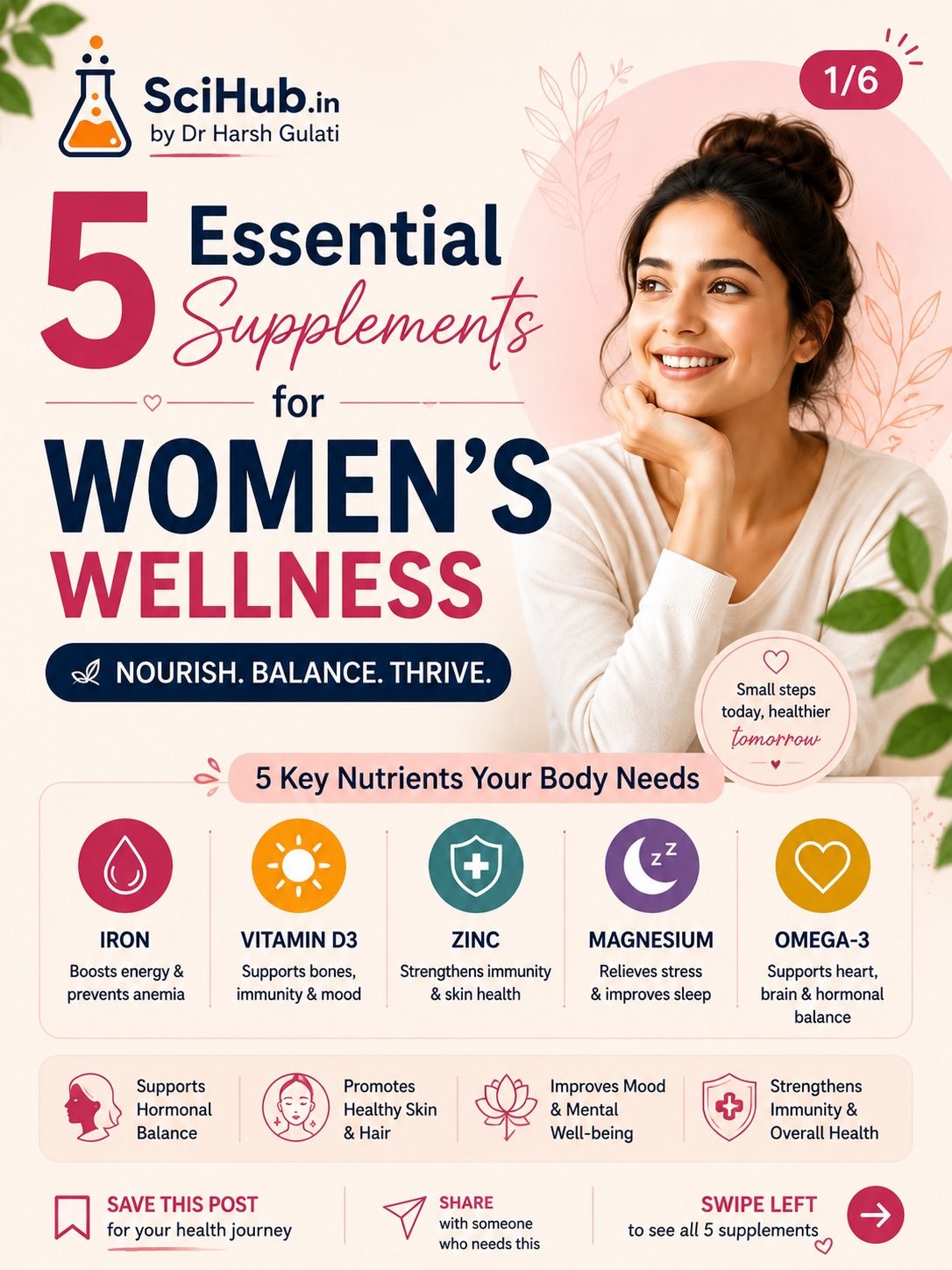
Women's Wellness Supplements
Women's health and wellness are multifaceted, and proper nutrition plays a vital role in maintaining overall well-being. While a balanced diet should always be the primary source of nutrients, certain supplements can help fill the gaps and support specific health needs. Here, you'll learn about five key nutrients and the role they play in women's health, along with practical tips for incorporating them into your daily routine.
Why This Matters
A well-nourished body is better equipped to handle the demands of daily life, manage stress, and maintain healthy hormones and skin. Proper nutrition also supports bone health, energy levels, and overall well-being. Women often face unique health challenges, such as hormonal imbalances, menstrual irregularities, and increased risk of osteoporosis. Ensuring adequate intake of key nutrients can help mitigate these issues and promote long-term health.
The Five Supplements for Optimal Health
Omega-3
Omega-3 fatty acids are essential for heart, brain, and overall wellness. These powerful nutrients support hormonal balance and help reduce inflammation, which can be beneficial for conditions like arthritis and menstrual cramps. Fatty fish, such as salmon and mackerel, are rich in omega-3s. For those who don't consume fish, plant-based sources like chia seeds and walnuts are also excellent options. Supplementing with omega-3 can be particularly beneficial for women who struggle with joint pain, mood swings, or cardiovascular issues.
Iron
Iron is crucial for maintaining energy levels and preventing anemia, which is a common condition among women due to menstruation and pregnancy. This mineral supports healthy blood production and oxygen transport throughout the body. Good food sources of iron include red meat, poultry, and leafy greens like spinach. For vegans or those with dietary restrictions, fortified cereals and legumes can be suitable alternatives. Iron supplements can be particularly beneficial for menstruating women and those with low iron levels, but it's important to consult a healthcare professional before starting any supplement regimen.
Vitamin D3
Often referred to as the "sunshine vitamin," Vitamin D3 is essential for strong bones and teeth. It plays a key role in calcium absorption and supports immune function, hormonal balance, and mood regulation. Natural sources of Vitamin D3 include sunlight, egg yolks, fatty fish, and fortified dairy products. For those who live in areas with limited sunlight or have dietary restrictions, supplementing with Vitamin D3 can be a practical solution. This is especially important for women who struggle with autoimmune conditions, bone health, or mood disorders.
Magnesium
Magnesium is a versatile mineral that supports muscle function, stress relief, and better sleep. It also aids in PMS relief, hormonal balance, and overall calming effects on the body. Pumpkin seeds, dark chocolate, almonds, and spinach are natural sources of magnesium. However, due to its role in over 300 enzymatic reactions in the body, the human body can easily become depleted. Supplementing with magnesium can be particularly beneficial for women who experience muscle cramps, insomnia, or stress-related issues.
Zinc
Zinc is a crucial mineral for immune function, skin health, and hormonal balance. It supports wound healing, cell division, and protein synthesis. Foods rich in zinc include oysters, red meat, poultry, and legumes. Zinc supplements can be particularly useful for women who experience frequent colds, skin issues, or hormonal imbalances. However, it's essential to consult a healthcare professional before starting any zinc supplement, as it can interfere with certain medications and may not be suitable for everyone.
Practical Tips
How to Incorporate These Nutrients into Your Diet
Eat a Balanced Diet: Focus on consuming a variety of nutrient-dense foods, including fruits, vegetables, lean proteins, and whole grains. This approach ensures that you get a broad range of vitamins and minerals.
Stay Hydrated: Drinking enough water is crucial for overall health. Aim for at least eight glasses of water per day, and more if you are physically active or live in a hot climate.
Stay Active: Regular physical activity can boost your mood, improve your energy levels, and support overall well-being. Aim for at least 30 minutes of moderate exercise most days of the week.
Sleep Well: Adequate sleep is essential for physical and mental health. Establish a consistent sleep schedule and create a relaxing bedtime routine.
Manage Stress: Chronic stress can deplete essential nutrients and negatively impact your health. Practice stress management techniques like meditation, deep breathing, or yoga.
When to Consider Supplements
While a balanced diet is the best way to get the nutrients you need, there are situations where supplements may be beneficial:
Insufficient Dietary Intake: Even with a balanced diet, some women may struggle to get enough of certain nutrients. This can be due to dietary restrictions, food allergies, or simply not eating enough of the right foods.
Medical Conditions: Certain medical conditions, such as celiac disease or inflammatory bowel disease, can interfere with nutrient absorption. In these cases, supplements may be necessary to ensure adequate intake.
Lifestyle Factors: Factors like pregnancy, intense exercise, or high stress levels can increase the body's demand for specific nutrients. In these situations, supplements can help fill the gaps and support overall health.
Blood Test Results: Regular blood tests can help identify any nutrient deficiencies. If tests reveal that you are deficient in a particular nutrient, supplements can help correct the imbalance.
Consult a Healthcare Professional
Before starting any supplement regimen, it's essential to consult a qualified healthcare professional. They can provide personalized advice based on your individual health needs and circumstances. Always follow the recommended dosage and be aware of any potential side effects or interactions with other medications.
Important Takeaways
Nutrients Are Crucial
Key nutrients like omega-3, iron, Vitamin D3, magnesium, and zinc play vital roles in women's health. They support energy levels, immune function, hormonal balance, bone health, and overall well-being.
Diet Comes First
While supplements can be beneficial, they should not replace a healthy diet. Focus on consuming a variety of nutrient-dense foods to support your overall health.
Supplements Can Be Beneficial
In some cases, supplements can help fill nutrient gaps and support specific health needs. However, it's essential to consult a healthcare professional before starting any supplement regimen.
Lifestyle Matters
Regular exercise, adequate sleep, stress management, and a balanced diet all contribute to optimal health. Incorporate these habits into your daily routine for long-term well-being.
Personalized Care
Everyone's health needs are unique. What works for one person may not work for another. Always consult a healthcare professional for personalized advice tailored to your specific situation.
Conclusion
Maintaining optimal health and wellness involves a balanced approach that includes proper nutrition, regular exercise, adequate sleep, and effective stress management. For women, ensuring adequate intake of key nutrients like omega-3, iron, Vitamin D3, magnesium, and zinc is particularly crucial. While a balanced diet should be the primary source of these nutrients, supplements can be a valuable addition for those who need extra support. Always remember to consult a healthcare professional before starting any supplement regimen, and prioritize a holistic approach to health and wellness.
Watch the Reel
Questions readers ask
Why are omega-3 supplements beneficial for women's health?
Omega-3 supplements support heart health, help reduce inflammation, and promote brain function. They are particularly beneficial for women, as they can help manage menstrual cramps, support hormonal balance, and contribute to healthy skin and nails.
What role does iron play in women's wellness, and who should consider supplementation?
Iron is essential for producing red blood cells, which carry oxygen to tissues. Women, especially those with heavy menstrual periods, pregnant, or following a vegetarian or vegan diet, should consider iron supplements to prevent fatigue and support overall health.
How can magnesium supplements benefit women's daily wellness routine?
Magnesium is crucial for muscle and nerve function, blood sugar control, and blood pressure regulation. It also supports mood and sleep, making it an excellent addition to a daily wellness routine. Women with symptoms of low magnesium levels, such as muscle cramps or fatigue, should consider supplementing.
Which supplements can help support bone health in women?
Calcium, vitamin D, and magnesium are crucial for maintaining strong and healthy bones. These nutrients work together to support bone density and structure, reducing the risk of osteoporosis and fractures. Women, especially those over 30 or with a family history of osteoporosis, should ensure they are getting enough of these nutrients.
How can women address nutrient gaps in their diet through supplementation?
Even with a balanced diet, women may have nutrient gaps due to factors like stress, poor absorption, or increased needs during certain life stages. Supplements can help fill these gaps by providing essential nutrients like vitamins, minerals, and fatty acids. Women should consult with a healthcare provider to determine which supplements are suitable for them.
What role do vitamins play in supporting women's immunity and stress response?
Vitamins like vitamin C, vitamin D, and zinc play a significant role in supporting the immune system. They help maintain a healthy immune response and can help reduce stress. Adequate intake of these nutrients can help women maintain overall well-being and better cope with daily stressors.
What are the benefits of supplemental vitamin D for women's health?
Vitamin D is crucial for bone health, immune function, and mental well-being. Women, especially those who live in areas with limited sunlight or have darker skin, may require supplemental vitamin D to maintain optimal health. It is recommended to consult a healthcare provider to determine the appropriate dosage.
Related deep dives
Similar reads based on topic and creator.

Recent articles
Fresh deep dives from the latest Reels we unpacked.




Comments
Be the first to comment.