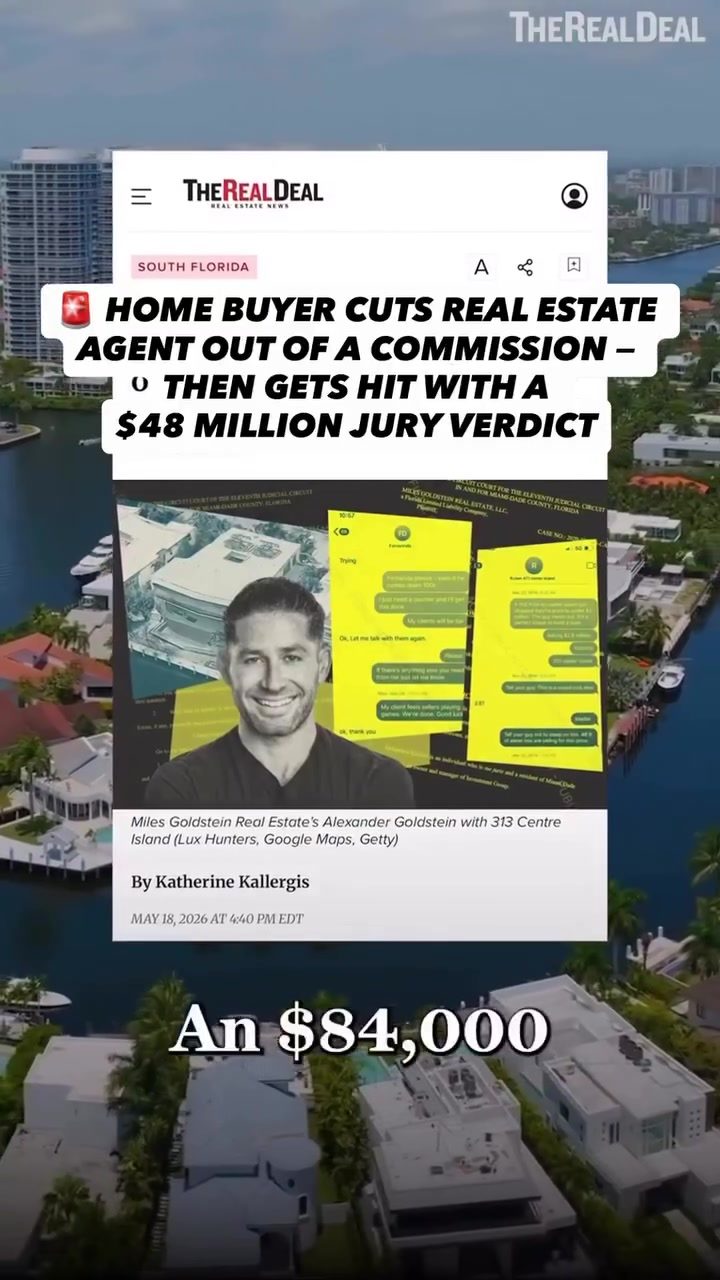
The $48 Million Jury Verdict: A Real Estate Commission Dispute in Miami
A recent $48 million jury verdict in a Miami real estate lawsuit has sparked significant debate and attention. The case, which started as a dispute over an $84,000 commission, has escalated into a complex legal battle. The verdict highlights the intricate nature of real estate transactions, the consequences of alleged fraud and deception, and the potential for punitive damages in such disputes.
Why This Matters
Real estate transactions are not merely about buying and selling property; they involve intricate legal and financial arrangements. This case underscores the importance of transparency, trust, and adherence to contractual obligations in the industry. The verdict sends a strong message about the potential consequences of alleged fraudulent behavior and the role of punitive damages in deterring such actions.
The Initial Dispute
The lawsuit revolves around a luxury home deal in Golden Beach, a guard-gated enclave in Miami-Dade. Broker Alexander Goldstein and buyer Ruben Ezekiel were involved in a deal for a property on Center Island Drive. Goldstein, representing Miles Goldstein Real Estate, alleged that he spent over a year helping Ezekiel find a home, negotiating the price down from $2.9 million to $2.8 million. However, Ezekiel abruptly claimed he was no longer interested in the deal.
Despite this, Ezekiel submitted an offer for the same property at the same price less than two hours later, this time with his sister listed as the broker. This abrupt change led Goldstein to sue Ezekiel, claiming he had been cut out of his $84,000 commission.
Legal Proceedings and Verdict
The legal battle between Ezekiel and Goldstein lasted for years. During this time, Ezekiel appeared on WSVN 7 News Miami to present his side of the story. The case took a dramatic turn when a jury found Ezekiel liable for fraud, tortious interference, and conspiracy. The jury awarded Goldstein $47.8 million in damages, which included punitive damages designed to punish especially harmful behavior and deter similar actions in the future.
The verdict is believed to be the first instance in Florida where a jury authorized and awarded punitive damages in a broker-commission dispute. Goldstein's attorney emphasized that the verdict was intended to serve as a deterrent, questioning whether Ezekiel and his partners would have thought twice if they had to return only the $84,000 commission.
Public Reactions and Legal Implications
The $48 million verdict has sparked a range of reactions. Some viewers argue that the punishment is excessive and "shocks the conscience of the court," while others believe it was necessary to prevent similar actions in the future. Ezekiel's attorney has vowed to challenge the verdict, calling it so excessive that it should be overturned or reduced.
The final judgment in the case has not yet been issued, but the verdict has already become a significant warning for buyers, brokers, or anyone attempting to reroute a commission at the closing table. The verdict emphasizes the potential for severe legal consequences in cases of alleged fraud or deception in real estate transactions.
The Role of Punitive Damages
Punitive damages are intended to punish and deter especially harmful behavior, sending a clear message to the real estate industry. In this case, the inclusion of punitive damages in the jury's verdict signals a strong stance against alleged fraudulent behavior and deception in real estate transactions. The verdict may set a precedent for future cases, making it clear that such actions will not be tolerated and can result in severe financial penalties.
Practical Tips for Buyers and Brokers
This case serves as a cautionary tale for both buyers and brokers. For buyers, it underscores the importance of transparency and ethical behavior in real estate transactions. Buyers should be aware of the legal consequences of attempting to circumvent contractual obligations or engage in fraudulent behavior. For brokers, it highlights the need for thorough documentation and adherence to legal and ethical standards in their dealings.
For Buyers
- Honor Contracts: Ensure you honor all contractual agreements and commitments.
- Communicate Clearly: Maintain open and honest communication with all parties involved in the transaction.
- Avoid Deception: Be wary of engaging in any form of deception or fraud, as the legal consequences can be severe.
For Brokers
- Document Everything: Keep detailed records of all interactions and agreements with clients.
- Follow Legal Standards: Adhere to all legal and ethical standards in your dealings.
- Seek Legal Advice: Consult with legal professionals to ensure all actions are compliant with the law.
Important Takeaways
This case serves as a stark reminder of the potential consequences of alleged fraudulent behavior in real estate transactions. The $48 million verdict highlights the importance of transparency, trust, and adherence to contractual obligations. It also emphasizes the role of punitive damages in deterring harmful behavior and setting a precedent for future cases.
The high stakes involved in this case underscore the need for caution and compliance with legal and ethical standards in real estate dealings. Whether you are a buyer or a broker, understanding the potential consequences of fraudulent behavior and the importance of transparency is crucial.
Conclusion
The $48 million jury verdict in the Miami real estate lawsuit involving Alexander Goldstein and Ruben Ezekiel has sent a clear message to the industry. The verdict highlights the potential for severe legal consequences in cases of alleged fraud or deception and the role of punitive damages in deterring such behavior. As the legal proceedings continue, the verdict serves as a warning to buyers, brokers, and anyone involved in real estate transactions to adhere to legal and ethical standards and the importance of transparency and honesty.
Watch the Reel
Questions readers ask
What was the initial dispute about in the Miami real estate case that led to a $48 million verdict?
The initial dispute centered around an $84,000 commission in a real estate transaction. The disagreement escalated into a complex legal battle, ultimately resulting in a substantial jury verdict.
How does this verdict impact the Miami real estate industry?
The $48 million verdict sends a strong message about the importance of transparency, trust, and adherence to contractual obligations in the Miami real estate industry. It also highlights the potential financial consequences of alleged fraud and deception.
What are punitive damages in the context of real estate disputes?
Punitive damages in real estate disputes are additional monetary awards intended to punish the defendant for egregious behavior and deter similar conduct in the future. In this case, it significantly increased the total verdict to $48 million.
What role does transparency play in high-stakes real estate transactions?
Transparency is crucial in high-stakes real estate transactions as it helps build trust and ensures all parties understand their obligations and the terms of the deal. Lack of transparency can lead to disputes and potential legal consequences, as seen in this Miami case.
What should real estate buyers and sellers be aware of to avoid similar disputes?
Real estate buyers and sellers should be aware of the importance of clear communication, thorough documentation, and understanding the terms of their agreements. Engaging with reputable professionals and seeking legal advice can also help mitigate the risks of disputes.
What are the potential consequences of real estate commission cuts in disputes?
Real estate commission cuts, if disputed, can lead to legal battles like the one in Miami. These disputes can result in significant financial penalties, damage to professional reputations, and the potential for punitive damages if fraud or deception is involved.
How common are jury verdicts in real estate disputes, and what do they typically involve?
Jury verdicts in real estate disputes are not uncommon, especially in high-stakes cases. They typically involve allegations of fraud, breach of contract, or misrepresentation, and can result in substantial financial awards, including punitive damages, as seen in the Miami case.
Recent articles
Fresh deep dives from the latest Reels we unpacked.




Comments
Be the first to comment.