The 4 Forces of Progress Framework
The 4 Forces of Progress framework is a powerful tool for marketers, particularly those looking to test new messaging or creative angles. This framework, inspired by the Job to be Done (JTBD) framework, can help better understand and leverage the forces that drive customer behavior.
Why this matters
Understanding the 4 Forces of Progress is crucial for marketers aiming to create effective messaging and campaigns. By focusing on the actual needs and desires of customers, rather than just the features of a product, marketers can develop more compelling and persuasive strategies.
Main discussion
Understanding the 4 Forces of Progress
The 4 Forces of Progress framework consists of four key components: Push, Anxiety, Pull, and Habit. Each of these forces plays a significant role in how customers perceive and adopt new products and technologies. Marketers need to understand these forces to create effective strategies for their products.
Push
The Push factor is driven by the desire to escape rising costs or other negative aspects of the status quo. In the context of marketing electric vehicles (EVs), for example, the Push factor is the desperation to escape rising fuel costs. Customers are looking for alternatives to traditional gasoline-powered cars due to the financial burden of high fuel prices. Highlighting this factor can make EVs more appealing to cost-conscious consumers.
Anxiety
Anxiety is the fear or doubt that holds customers back from making a change. In the case of EVs, this could be the fear of getting stranded due to limited charging infrastructure. Addressing this anxiety directly can alleviate customer concerns and encourage them to consider EVs as a viable option.
Pull
The Pull factor is the desire for something new and exciting. In the automotive industry, this could be the allure of high-tech features in EVs, such as advanced driver assistance systems or sleek, futuristic designs. By showcasing these cutting-edge features, marketers can create a strong Pull factor that attracts tech-savvy customers.
Habit
Habit refers to the comfort and convenience of sticking with familiar routines. For many drivers, this means the comfort of fueling up at gas stations. Breaking this habit requires understanding and addressing the convenience factors that make gas stations appealing, such as quick refueling times and widespread availability.
Applying the Framework to EV Marketing
For marketers in the automotive industry, particularly those selling electric vehicles (EVs), the 4 Forces of Progress framework can be particularly useful. By applying this framework, marketers can better understand the motivations and barriers that influence EV adoption. For example, the Tesla Model S can be used as a case study to illustrate how these forces play out in the market.
Push factors for EVs include the rising costs of fuel and the desire to reduce environmental impact. Anxiety factors might include concerns about charging infrastructure and the range of EVs. Pull factors could be the high-tech features and advanced driving technologies in EVs, while habit factors involve the convenience and familiarity of traditional gas-powered vehicles and gas stations.
The Customer-Centric Approach
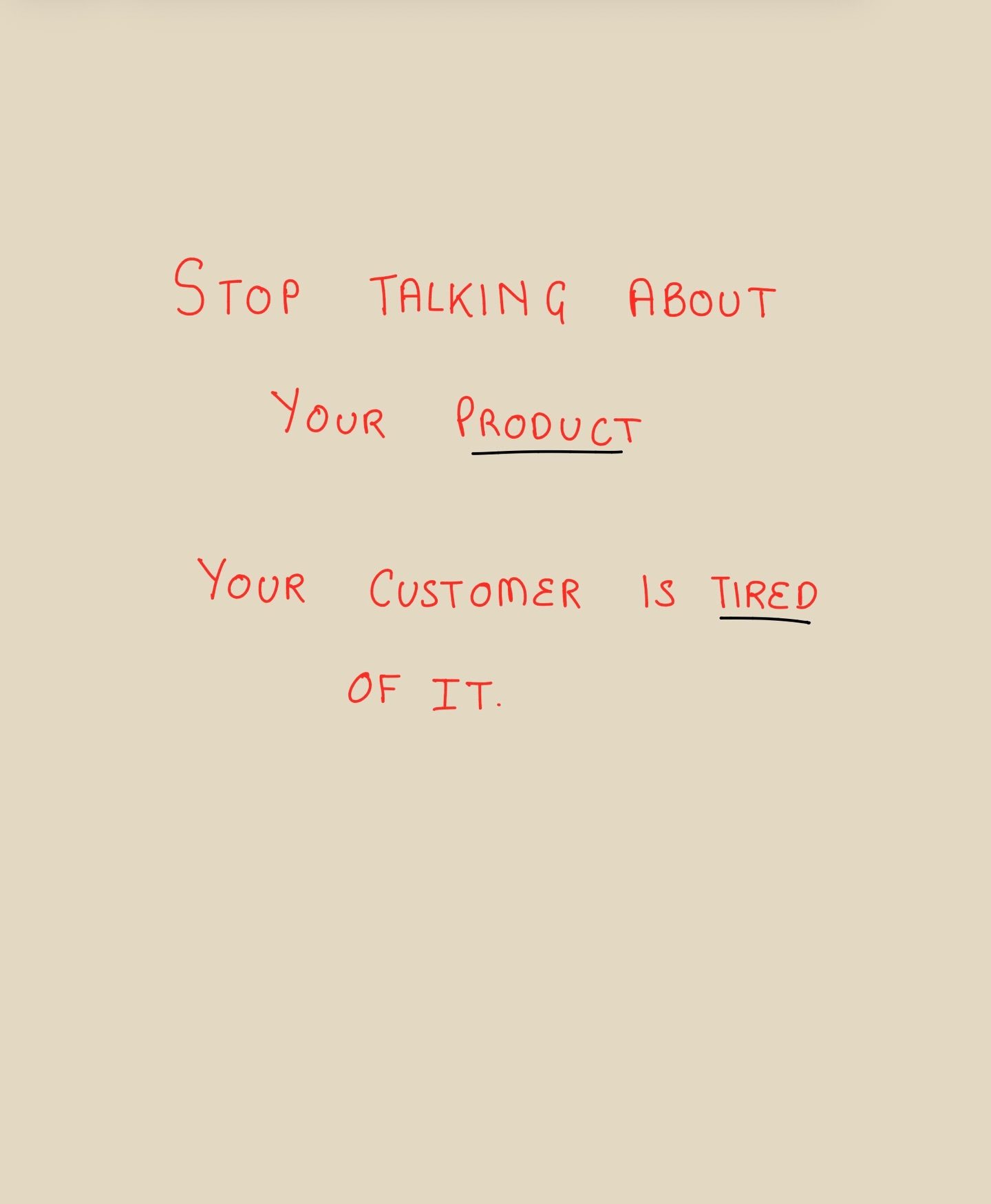
The 4 Forces of Progress framework also emphasizes the importance of a customer-centric approach in marketing. Rather than focusing solely on the features and benefits of a product, marketers should prioritize the needs, desires, and concerns of their customers. By understanding what drives customers to make purchasing decisions, marketers can create more effective and persuasive messaging.
Practical Tips
Identifying the Forces
To effectively use the 4 Forces of Progress framework, marketers need to identify the specific Push, Anxiety, Pull, and Habit factors related to their product. This involves conducting market research, analyzing customer feedback, and assessing the competitive landscape. By gathering and analyzing this data, marketers can gain a deeper understanding of the forces at play and develop strategies to address them.
Crafting Effective Messaging
Once the forces have been identified, marketers can craft messaging that directly addresses each of these factors. For example, if the Push factor involves rising fuel costs, messaging could highlight the long-term cost savings of switching to an EV. If Anxiety involves concerns about charging infrastructure, messaging could focus on the growing availability of charging stations and the convenience of home charging solutions. For Pull factors, highlighting the advanced technology and features of EVs can create excitement and appeal. For Habit factors, messaging could emphasize the benefits of breaking free from the routine of visiting gas stations.
Engaging with Customers
Encouraging customer engagement is essential for implementing the 4 Forces of Progress framework effectively. By encouraging customers to comment, provide feedback, and share their experiences, marketers can gain valuable insights into the forces at play and refine their strategies accordingly. Additionally, providing guides and prompts that help customers understand and define the forces related to a product can enhance engagement and foster a stronger connection with the brand.
Important Takeaways
- The 4 Forces of Progress framework is a powerful tool for creating effective marketing strategies.
- Understanding the Push, Anxiety, Pull, and Habit factors is crucial for developing compelling messaging.
- Applying the framework to EV marketing can help address the specific challenges and opportunities in the industry.
- A customer-centric approach is essential for leveraging the 4 Forces of Progress effectively.
Conclusion
The 4 Forces of Progress framework offers a comprehensive approach to understanding and influencing customer behavior. By focusing on the needs, desires, and concerns of customers, marketers can create more effective and persuasive strategies. Whether in the automotive industry or other sectors, the 4 Forces of Progress provides a valuable tool for testing new messaging and creative angles. By understanding and applying this framework, marketers can drive meaningful progress and achieve better results.
Watch the Reel
Questions readers ask
What are the 4 Forces of Progress in marketing?
The 4 Forces of Progress are a marketing framework consisting of Push, Anxiety, Pull, and Habit. These forces help marketers understand and influence customer behavior by focusing on the needs and desires driving purchasing decisions.
How does the Push force influence customer behavior?
The Push force in the 4 Forces of Progress framework encourages customers to try something new. It overcomes inertia and helps customers adopt new products and technologies. Push marketing is about making consumers aware of, and interested in, new offerings.
What role does Anxiety play in the 4 Forces of Progress?
Anxiety in this framework refers to the fear or uncertainty customers might feel when considering a new product or technology. Marketers must address this anxiety to build brand confidence and encourage customer adoption.
How can marketers use the Pull force to their advantage?
The Pull force represents the desire customers have for a particular product or solution. Marketers can leverage this force by highlighting the benefits and features that align with customers' needs, making their offerings more appealing.
Why is Habit an important force in the 4 Forces of Progress framework?
The Habit force focuses on the routine or repeated behavior customers develop with a product. Marketers can use this force to encourage long-term customer loyalty and repeat purchases by fostering positive habits around their products or services.
How can the 4 Forces of Progress framework benefit marketing strategies?
By understanding and applying the 4 Forces of Progress, marketers can create more targeted and persuasive campaigns. This framework helps shift the focus from product features to customer needs, leading to more compelling messaging and better customer engagement.
Recent articles
Fresh deep dives from the latest Reels we unpacked.




Comments
Be the first to comment.