Artificial Cornea 3D Printing
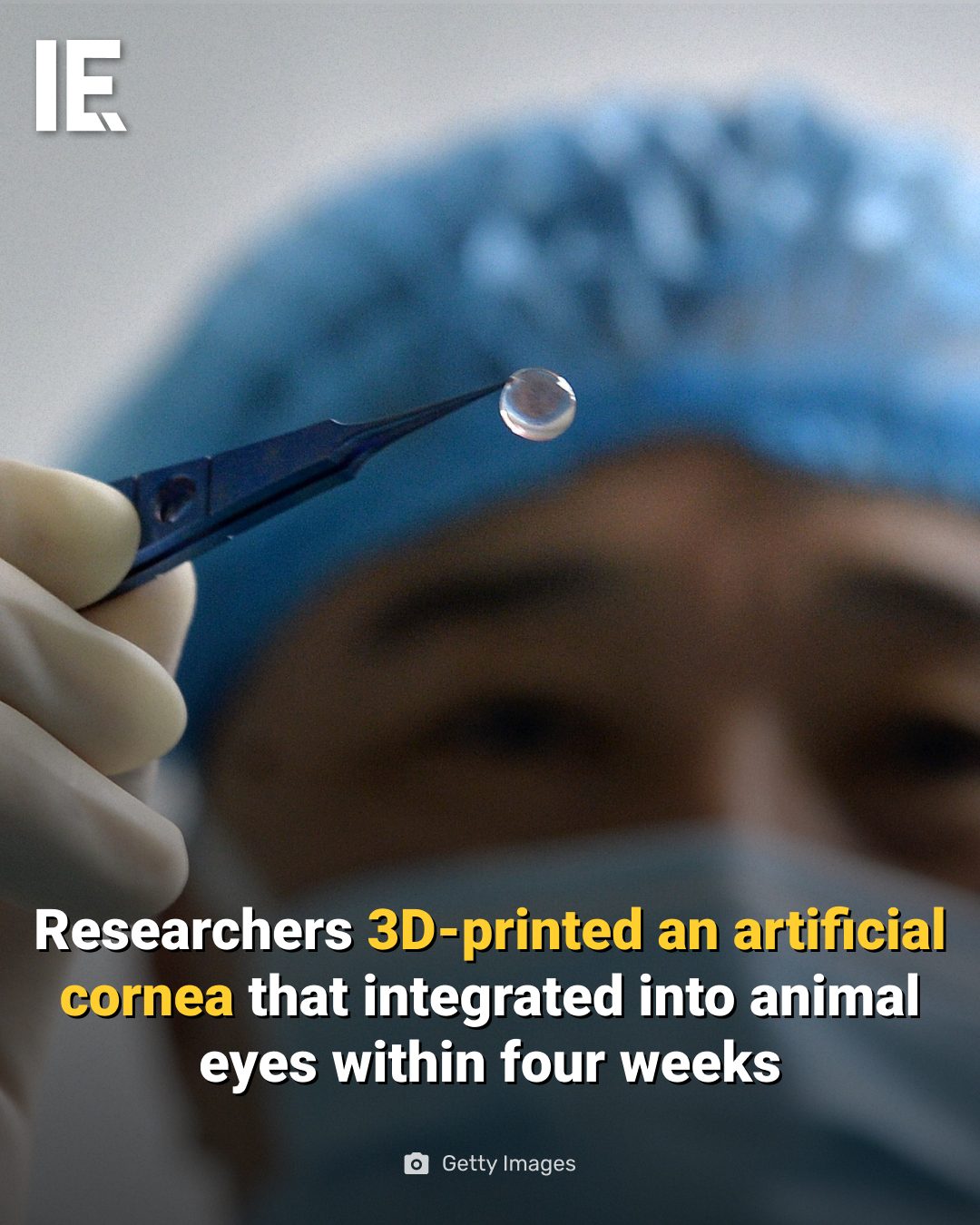
Artificial cornea 3D printing represents a groundbreaking advancement in medical technology, particularly in the realm of ophthalmology. Researchers from POSTECH and Kyungpook National University have developed a 3D-printed artificial cornea using a custom bioink derived from real corneal tissue and stem cells. This innovation addresses significant challenges faced by previous synthetic corneas, such as issues with transparency and biocompatibility.
Why This Matters
The development of a 3D-printed artificial cornea is crucial for several reasons. Firstly, it offers a potential solution to the chronic shortage of donor corneas, which can lead to extended waiting times for transplant surgeries. In many regions, average transplant waiting times exceed six years, creating a critical need for alternative solutions. Additionally, the ability to create a cornea that closely mimics the structure and functionality of a natural one opens up new possibilities for treating corneal blindness and other eye conditions.
Main Discussion
The Technology Behind 3D-Printed Corneas
The artificial cornea developed by POSTECH and Kyungpook National University is a remarkable feat of bioengineering. Researchers utilized a custom bioink made from real corneal tissue and stem cells. This bioink was used to replicate the precise collagen lattice structure found in natural corneas. The key to achieving this was the careful control of shear stress during the printing process. This meticulous approach ensures that the artificial cornea not only looks like a natural one but also functions similarly.
Biocompatibility and Transparency
One of the major challenges with previous synthetic corneas was their lack of transparency and biocompatibility. These issues often led to rejection by the body or poor visual outcomes. The 3D-printed artificial cornea, however, has shown promising results in these areas. Tests on animal models revealed that the implants integrated successfully within just four weeks. Moreover, the artificial corneas achieved transparency levels nearly identical to those of natural human corneas. This breakthrough means that patients could potentially experience improved vision and reduced risk of rejection.
The Printing Process
The printing process itself is a complex yet fascinating endeavor. Using a 3D printer, researchers can create a cornea layer by layer, ensuring that each layer is perfectly aligned and structured. The bioink, derived from real corneal tissue and stem cells, is deposited with precise control, allowing the printed cornea to mimic the natural structure of the eye. This level of precision is crucial for achieving the desired transparency and biocompatibility.
Animal Model Tests
The success of the 3D-printed cornea was initially demonstrated through animal model tests. These tests showed that the artificial corneas integrated seamlessly into the eyes of the animals within just four weeks. This rapid integration is a testament to the biocompatibility of the material used. The corneas also achieved high levels of transparency, making them an effective alternative to donor tissue.
Potential for Human Use
While the results from animal tests are promising, further human trials are necessary before the technology can be used clinically. The team is moving toward commercialization, but regulatory approval and extensive clinical testing are essential steps. If successful, this technology could revolutionize the treatment of corneal blindness and other eye conditions, providing a scalable and effective alternative to donor tissue.
Practical Tips
For those interested in the potential of 3D-printed corneas, here are some practical tips:
- Stay Informed: Keep up-to-date with the latest developments in ophthalmology and biotechnology. Follow reputable sources for information on new technologies and treatments.
- Consult Specialists: If you or someone you know is affected by corneal blindness, consult with ophthalmologists who specialize in regenerative medicine and biotechnology.
- Participate in Clinical Trials: If eligible, consider participating in clinical trials for 3D-printed corneas. This can provide access to cutting-edge treatments and contribute to the advancement of the field.
- Support Research: Advocate for increased funding and support for research in regenerative medicine and biotechnology. This can help accelerate the development and availability of new treatments.
Important Takeaways
The development of 3D-printed artificial corneas represents a significant advancement in medical technology. The ability to create a cornea that closely mimics the structure and functionality of a natural one offers hope to those suffering from corneal blindness. The success of animal model tests and the potential for human use make this technology a promising option for future treatments. As research continues and more clinical trials are conducted, the hope is that this technology will become a viable and widely available treatment option.
Conclusion
Artificial cornea 3D printing is at the forefront of medical innovation, offering a scalable alternative to donor tissue and a potential solution to the challenges of corneal blindness. As researchers from POSTECH and Kyungpook National University continue their work, the future of ophthalmology looks brighter than ever. The integration of bioengineering and 3D printing technology holds immense promise for improving the lives of patients worldwide.
Watch the Reel
Questions readers ask
How are 3D-printed artificial corneas made?
3D-printed artificial corneas are created using a custom bioink made from real corneal tissue and stem cells. This bioink is then printed using advanced 3D printing technology to form a structure that mimics the natural cornea.
What advantages do 3D-printed corneas have over traditional donor corneas?
3D-printed corneas offer several advantages, including addressing the chronic shortage of donor corneas and potentially reducing waiting times for transplant surgeries. Additionally, they are designed to overcome issues with transparency and biocompatibility that have plagued previous synthetic corneas.
Can 3D-printed corneas be used to treat other eye conditions besides corneal blindness?
While the primary focus is on treating corneal blindness, the technology used to create 3D-printed corneas could potentially be adapted for other eye conditions. Further research is needed to explore these possibilities, but the use of bioengineered tissues opens up exciting avenues for future treatments.
What makes the bioink used in 3D-printed corneas special?
The bioink used in 3D-printed corneas is special because it is derived from real corneal tissue and stem cells. This composition allows the printed cornea to closely mimic the natural structure and function of a real cornea, enhancing its potential for successful transplantation and integration.
How do 3D-printed corneas address the issue of cornea donor shortage?
3D-printed corneas address the donor shortage by providing an alternative source of corneas for transplant surgeries. By using bioengineered tissue, researchers can create an unlimited supply of corneas, reducing the dependency on human donors and potentially eliminating long waiting lists for patients in need.
What are the next steps in the development of 3D-printed corneas?
The next steps involve further testing and refinement of the 3D-printed corneas. Researchers will need to conduct more animal and human trials to ensure the safety and effectiveness of the procedure before it can be widely adopted in clinical settings.
What role do stem cells play in the creation of 3D-printed corneas?
Stem cells are crucial in the creation of 3D-printed corneas as they provide the necessary biological material for the bioink. These cells can differentiate into various types of corneal cells, aiding in the formation of a functional and biologically compatible artificial cornea.
Related deep dives
Similar reads based on topic and creator.


Recent articles
Fresh deep dives from the latest Reels we unpacked.




Comments
Be the first to comment.