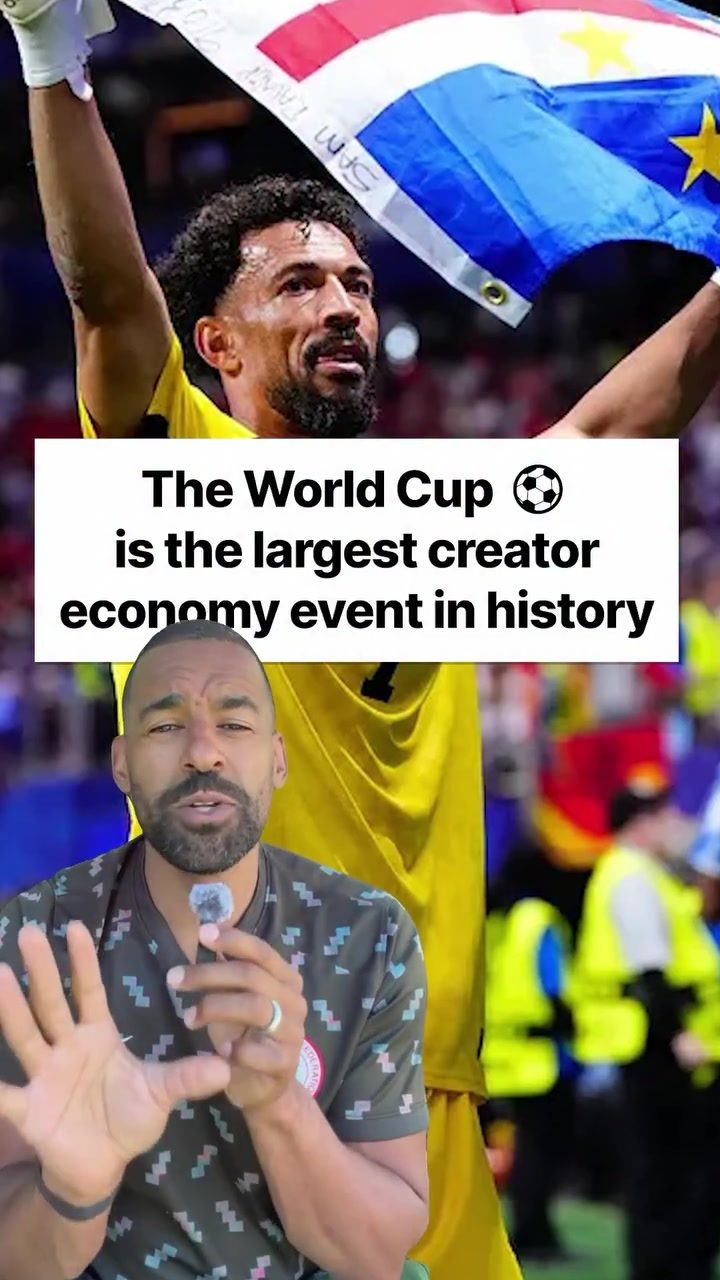
The 2026 World Cup: A Creator Economy Event
The 2026 World Cup is set to be the largest creator economy event in history. This tournament is more than just a sporting event; it's a global phenomenon that creates champions, stories, and cultural moments that resonate far beyond the field.
Why This Matters
The World Cup's impact extends far beyond the sporting arena. It creates a global underdog story that captivates millions. A perfect example of this is Vozinha, the 40-year-old Cape Verde goalkeeper. In just three weeks, he went from 50,000 Instagram followers to 25 million. Cape Verde is a small nation of 600,000 people, roughly the size of Sacramento, California. Despite their size, they made their World Cup debut and almost beat Argentina, the defending champions, losing 3-2 in extra time. This underdog story highlights the power of the World Cup in creating global narratives that transcend borders and languages.
The Global Reach and Economic Impact
The World Cup is more than just a sporting event; it’s a global economic powerhouse. Six billion people are expected to watch the tournament, and FIFA projects 8.9 billion in revenue. But the real value lies in the broader economy of attention that the World Cup generates. Countries have become brands, and national jerseys have become cultural artifacts.
For example, France's pre-match jersey was designed by Jacquemus, Drake designed Canada's kit, and the Virgil Abloh Archive designed the US team’s capsule. These collaborations turn the jersey into more than just sportswear; it becomes a cultural statement. Every incredible performance becomes reels, edits, compilations, sponsorship deals, documentaries, and brand partnerships that last for years. The attention doesn't just go to the winning country; it gets distributed across hundreds of players, coaches, fans, creators, and businesses.
The New Economics of Attention
The World Cup is a testament to the new economics of attention. Every industry and business model has a larger opportunity hiding inside it. The tournament creates a ripple effect that benefits a wide range of stakeholders. Even players like Vozinha, who may never play in another World Cup, gain massive followings and opportunities for future endeavors. This phenomenon highlights the new economics of attention, where every player and moment can become a brand and a story.
Practical Tips for Leveraging the World Cup
For businesses and individuals looking to leverage the World Cup's attention, here are some practical tips:
Capitalize on the Underdog Story
The underdog story is a powerful narrative that resonates globally. Identify and highlight underdog tales within your industry. By sharing stories of unexpected success and resilience, you can tap into a universal theme that captivates audiences.
Collaborate with Cultural Icons
Just as fashion designers and celebrities are collaborating with national teams, consider partnering with cultural icons in your field. These collaborations can elevate your brand and create lasting cultural moments.
Engage with Fans and Audiences
The World Cup attracts a global audience, and engaging with fans can create long-term loyalty. Use social media, live events, and other platforms to connect with your audience and build a community around your brand.
Important Takeaways
The 2026 World Cup is a creator economy event that creates champions, cultural moments, and global narratives. It showcases the power of the underdog story and the new economics of attention. By leveraging these elements, businesses and individuals can tap into a global phenomenon that extends far beyond the sporting arena.
Conclusion
The 2026 World Cup is not just a sporting event; it's a global phenomenon that creates champions and cultural moments. By understanding and leveraging the power of the underdog story and the new economics of attention, businesses and individuals can tap into a global phenomenon that extends far beyond the sporting arena. This event is a testament to the power of sports in creating global narratives and cultural artifacts. For more insights into the creator economy and tech trends, stay tuned for more updates.
Watch the Reel
Questions readers ask
What makes the 2026 World Cup significant for the creator economy?
The 2026 World Cup is poised to be a pivotal event for the creator economy as it melds sports with global storytelling and cultural branding, generating billions in revenue and creating long-lasting cultural moments. This intersection allows creators to produce compelling content and engage with a worldwide audience.
How does the 2026 World Cup create opportunities for new champions?
The 2026 World Cup will highlight the rise of new sports heroes from diverse backgrounds, providing global recognition and opportunities for creators to share their stories. This global platform helps elevate underdogs, fostering a rich tapestry of narratives that captivate fans worldwide.
What role does cultural branding play in the 2026 World Cup?
Cultural branding is a key aspect of the 2026 World Cup, allowing nations and athletes to showcase their unique identities and stories. The tournament serves as a global stage for cultural expression, fostering understanding and appreciation across borders, and creating opportunities for creators to develop engaging content.
How will the 2026 World Cup generate significant revenue?
The 2026 World Cup is expected to generate billions in revenue through broadcasting rights, sponsorships, and tourism. Beyond the financial aspects, the event provides numerous opportunities for creators to monetize through content creation and brand partnerships, contributing to the overall economic impact.
What are some specific examples of underdog stories from past World Cups?
Past World Cups have seen inspiring underdog stories, such as Cape Verde's debut, where their 40-year-old goalkeeper, Vozinha, went from 50,000 Instagram followers to 25 million in just three weeks. Despite their small nation size, Cape Verde's near-upset against Argentina demonstrated the power of sports to create compelling narratives and captivate global audiences.
How can creators leverage the 2026 World Cup for content creation?
Creators can take advantage of the 2026 World Cup by developing content around the tournament's stories, athletes, and cultural moments. This can include documenting the journeys of underdog teams, creating fan-focused content, and offering unique perspectives on the games and their impact on global culture.
Related deep dives
Similar reads based on topic and creator.
Recent articles
Fresh deep dives from the latest Reels we unpacked.




Comments
Be the first to comment.