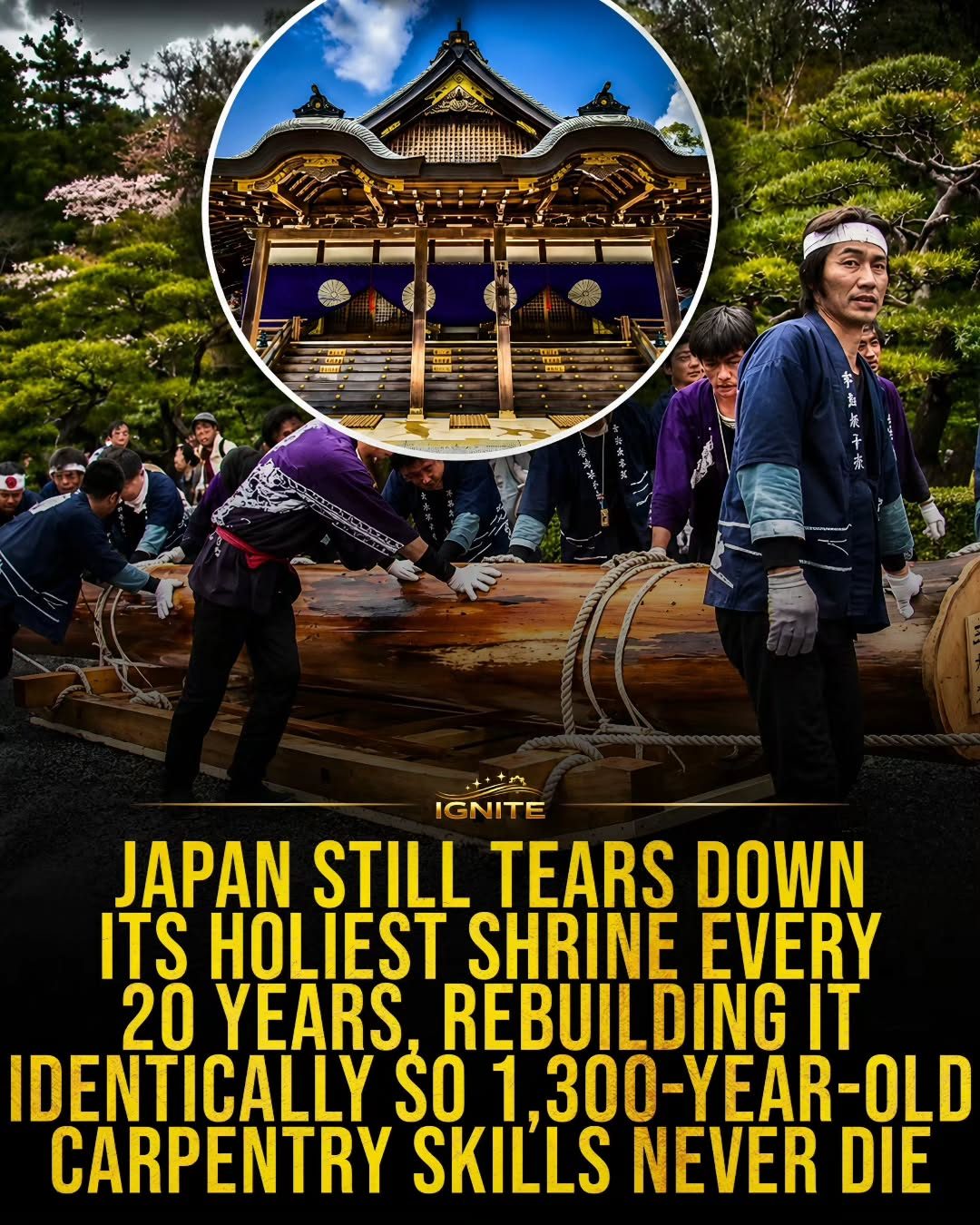
Japanese Shrine Rebuilding: Preserving Ancient Carpentry Skills
Japan has a unique and ancient tradition of completely dismantling and rebuilding its holiest shrines every 20 years. This meticulous process is not just about renewal; it is a crucial method for preserving 1,300-year-old carpentry skills. This tradition, known as sengu, involves a large group of people who carry a massive, intricately decorated wooden structure through the town, showcasing the community's collective effort and dedication to their cultural heritage.
Context: Why This Matters
Rebuilding shrines every 20 years is more than a ritual; it's a living testament to Japan's commitment to preserving its cultural heritage. The tradition serves as a bridge between the past and the present, ensuring that ancient carpentry skills do not fade away. This process is not merely about rebuilding; it's about reverence, community, and the transmission of knowledge from one generation to the next.
Main Discussion
The History of Shinto Shrine Rebuilding
The practice of shrine rebuilding has deep roots in Shintoism, Japan's indigenous spiritual tradition. The rebuilding of the Ise Grand Shrine, one of Shinto's holiest sites, is the most renowned example of this tradition. The shrine is meticulously deconstructed and reconstructed every 20 years in a process that takes multiple years and involves thousands of skilled craftsmen and laborers. This dedication to the meticulous rebuilding ensures that the original architectural design and craftsmanship remain unchanged for centuries.
The Art of Japanese Carpentry
The carpentry skills involved in shrine rebuilding are highly specialized and have been passed down through generations. The techniques used, such as traditional joinery methods (kigumi) and intricate wood carvings, require immense skill and precision. Carpenters, known as mizukata, spend years apprenticing to master these techniques, ensuring that the artistry and craftsmanship are preserved for future generations.
The Symbolism of Rebuilding
The rebuilding of shrines is deeply symbolic and holds significant cultural meaning. It represents the cyclical nature of life and the importance of renewal. The process of tearing down and rebuilding the shrine is seen as a metaphor for the continuous cycle of growth, decay, and rebirth, which is central to Shinto beliefs. Additionally, the community involvement in this process strengthens social bonds and reinforces the shared values and traditions of the community.
The Logistics of the Process
The planning and execution of the shrine rebuilding process are highly organized and involve a large number of people. The process begins years in advance with the selection of timber from carefully chosen forests. The logging, transportation, and storage of the timber are all carried out with great care to ensure the highest quality wood is used. The actual rebuilding phase involves hundreds of carpenters and laborers who work tirelessly to recreate the shrine using traditional methods and tools.
Practical Tips
If you ever have the opportunity to witness or participate in a shrine rebuilding process, here are some practical tips to keep in mind:
- Respect the Tradition: Always be mindful of the cultural significance of the event. Follow any guidelines or instructions given by the organizers.
- Observe Carefully: Pay attention to the intricate details of the carpentry work. It's a rare opportunity to see ancient skills in action.
- Engage with the Community: This event is about community involvement. Feel free to ask questions and engage with local residents and craftsmen to deepen your understanding of the tradition.
Important Takeaways
The tradition of rebuilding shrines every 20 years is a remarkable example of how cultural heritage can be preserved through continuous practice and community involvement. It highlights the importance of passing down traditional skills and knowledge from one generation to the next, ensuring that they are not lost to the passage of time.
Conclusion
The tradition of rebuilding shrines in Japan is a testament to the country's deep respect for its cultural heritage and the importance of preserving ancient crafts and traditions. This process is not just about physical renewal but also about the spiritual and communal renewal of the society. It serves as a powerful reminder of the enduring value of tradition, craftsmanship, and community in preserving cultural identity.
Watch the Reel
Questions readers ask
What is the significance of the 20-year cycle in the Japanese shrine rebuilding tradition?
The 20-year cycle in the Japanese shrine rebuilding tradition, known as sengu, serves as a means to preserve ancient carpentry skills that date back over 1,300 years. This cycle ensures that these skills are not lost and that the knowledge is passed down through generations, keeping the cultural heritage vibrant and intact.
Who is involved in the shrine rebuilding process in Japan?
The shrine rebuilding process, or sengu, involves a large group of people from the community. This collective effort not only showcases the dedication of the community to their cultural heritage but also plays a critical role in the transmission of ancient carpentry skills from one generation to the next.
What happens to the old shrine during the rebuilding process?
During the rebuilding process, the old shrine is carefully dismantled. This dismantling is a meticulous task that involves taking apart the intricately decorated wooden structure. The dismantling process is as important as the rebuilding, as it allows for the inspection and preservation of the old materials and techniques.
How does the sengu tradition help in preserving Japanese cultural heritage?
The sengu tradition helps in preserving Japanese cultural heritage by ensuring that ancient carpentry skills are not forgotten. By involving the community in the dismantling and rebuilding of shrines every 20 years, the tradition serves as a bridge between the past and the present, keeping the cultural heritage vibrant and alive.
What role does the community play in the shrine rebuilding tradition?
The community plays a pivotal role in the shrine rebuilding tradition. The collective effort of the community in carrying the massive, intricately decorated wooden structure through the town is a testament to their dedication. This shared experience strengthens community bonds and ensures the transmission of knowledge and skills across generations.
What is the significance of the massive wooden shrine in the sengu tradition?
The massive wooden shrine is a central element in the sengu tradition. Its intricate decoration and size symbolize the grandeur and importance of the cultural heritage being preserved. The process of rebuilding this structure involves complex carpentry techniques, ensuring that these skills remain alive and relevant in modern times.
How does the sengu tradition ensure the longevity of ancient Japanese carpentry skills?
The sengu tradition ensures the longevity of ancient Japanese carpentry skills by involving the community in a hands-on process every 20 years. This regular cycle of dismantling and rebuilding shrines provides continuous practice and learning opportunities, ensuring that these skills are not lost and that they continue to evolve with modern techniques.
Related deep dives
Similar reads based on topic and creator.




Recent articles
Fresh deep dives from the latest Reels we unpacked.




Comments
Be the first to comment.