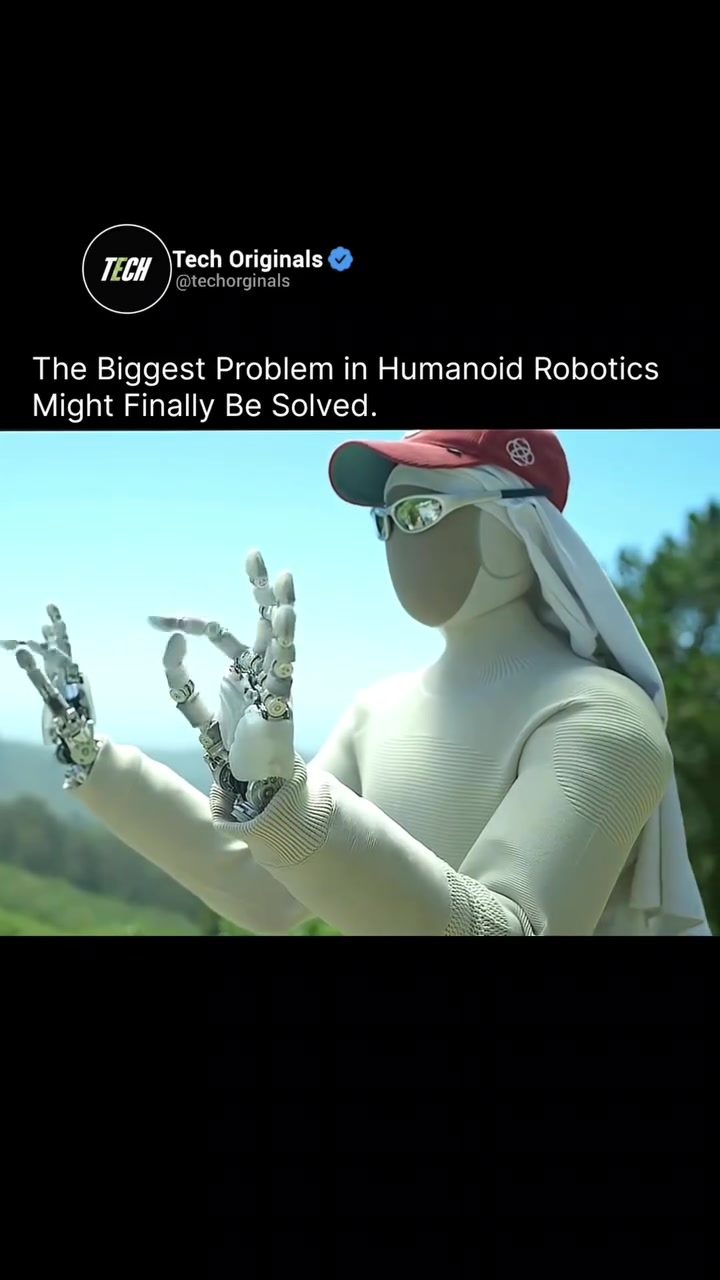
Humanoid Robotics and the Next-Generation Robotic Hand
Humanoid robotics has long been a frontier of technological innovation, pushing the boundaries of what machines can achieve. The recent unveiling of Neo's next-generation robotic hand by 1X marks a significant milestone in this field. This advanced hand is designed to bring human-like dexterity to humanoid robots, addressing one of the biggest challenges in robotics: replicating the intricate functionality of human hands.
Context / Why this matters
Humanoid robots have the potential to revolutionize various sectors, from industrial automation to healthcare and daily assistance. However, their effectiveness relies heavily on their ability to interact with the environment in a way that mimics human actions. One of the most complex and crucial aspects of this interaction is the use of hands. Human hands, with their numerous joints, muscles, and sensory receptors, allow for a remarkable range of delicate and precise movements. Replicating this level of dexterity in robots has been a significant hurdle.
Main discussion
The Challenges of Humanoid Robotics
Building a robot that can walk and move autonomously is already a complex task. However, the real challenge lies in equipping these robots with hands that can perform tasks with human-like precision and sensitivity. Human hands are incredibly complex, with dozens of joints, muscles, and sensory receptors that work together seamlessly. This combination of strength, precision, and touch sensing is what allows humans to handle delicate objects, manipulate tools, and perform a wide range of tasks effortlessly.
The Next-Generation Robotic Hand by 1X
1X's latest innovation, Neo's next-generation robotic hand, is designed to address these challenges. This advanced hand features several key components that set it apart from previous designs:
-
25 Degrees of Freedom: This means the hand can move in a wide range of directions and positions, mimicking the flexibility of a human hand. This level of freedom is crucial for performing complex tasks that require precise movements.
-
Tendon-Driven Actuation: Unlike traditional robotic hands that rely on motors and gears, tendon-driven actuation uses cables and pulleys to simulate the movements of human tendons. This method allows for smoother, more natural movements and reduces the mechanical complexity of the hand.
-
Tactile Sensors: Integrated tactile sensors allow the hand to feel contact and adjust its grip in real time. This feedback mechanism is essential for handling fragile objects and performing tasks that require a delicate touch. The sensors provide the robot with the ability to sense pressure, texture, and temperature, mimicking the human sense of touch.
Practical tips
Implementing advanced robotic hands in various environments requires careful consideration. Here are some practical tips for leveraging this technology:
-
Environmental Adaptation: When deploying humanoid robots in different settings, such as homes, factories, or healthcare facilities, ensure that the environment is conducive to the robot's capabilities. Clear pathways, appropriate workstations, and minimal obstacles can enhance the robot's performance and safety.
-
Task-Specific Programming: Customize the robot's programming to handle specific tasks. For instance, the robot can be programmed to handle fragile objects with extra care or perform repetitive tasks with high precision. This level of customization allows the robot to excel in various applications.
-
Regular Maintenance: Like any advanced technology, humanoid robots and their robotic hands require regular maintenance to function optimally. This includes checking sensors, calibrating movements, and ensuring that the robotic hand remains in good working condition.
-
Integrate Advanced AI: To fully utilize the robotic hand, integrate it with advanced AI systems. AI can enhance the robot's ability to learn from experience, adapt to new tasks, and improve its performance over time. This combination of advanced hardware and software can lead to unprecedented levels of efficiency and effectiveness.
Important takeaways
The unveiling of Neo's next-generation robotic hand by 1X represents a significant advancement in humanoid robotics. With its 25 degrees of freedom, tendon-driven actuation, and tactile sensors, this hand brings human-like dexterity to robots. This innovation paves the way for robots that can work safely and reliably in homes, factories, and everyday environments. As this technology continues to evolve, we can expect to see more sophisticated and capable humanoid robots that can perform a wide range of tasks with human-like precision and sensitivity.
Conclusion
Humanoid robotics is a rapidly evolving field with immense potential to transform various industries. The unveiling of Neo's next-generation robotic hand by 1X is a testament to the progress being made in this area. With its advanced features and capabilities, this robotic hand addresses one of the biggest challenges in humanoid robotics and brings us closer to a future where robots can seamlessly integrate into our daily lives. As the technology continues to advance, we can look forward to more groundbreaking innovations that will redefine the capabilities of humanoid robots.
Watch the Reel
Questions readers ask
How does Neo's robotic hand improve humanoid robot dexterity?
Neo's robotic hand by 1X improves dexterity by replicating human-like movements, especially intricate tasks with tendon-driven design, and advanced tactile sensors to enhance interaction and precision.
Which sectors can benefit from the advanced robotic hand technology?
Neo's advanced robotic hand technology can significantly benefit sectors like industrial automation, healthcare, and daily assistance. It enhances robots' ability to perform complex tasks and interact with their environment more effectively.
What are the significant features of the next-generation robotic hand by 1X?
The next-generation robotic hand features tendon-driven mechanics, advanced tactile sensors, and human-like dexterity, making it a significant advancement in replicating human hand functionality in robots.
How does the new robotic hand by 1X address the challenges in humanoid robotics?
The new robotic hand addresses major challenges in humanoid robotics by providing unprecedented dexterity and the ability to mimic human hand movements, which are crucial for performing intricate tasks and interacting with the environment.
What makes 1X's humanoid robotics solutions stand out in the market?
1X's humanoid robotics solutions stand out due to their advanced robotic hand technology, which offers superior dexterity, precision, and the ability to perform a wide range of tasks, setting a new standard in the field.
How can Neo's robotic hand be applied in healthcare?
In healthcare, Neo's robotic hand can assist in tasks requiring precision and dexterity, such as assisting with surgeries, handling fragile medical equipment, and aiding in patient care, making it a valuable tool in medical settings.
What are the applications of Neo's robotic hand in industrial settings?
In industrial settings, Neo's robotic hand can enhance productivity and safety by performing complex assembly tasks, handling delicate objects, and operating machinery with precision, thereby reducing the need for human intervention in hazardous environments.
Related deep dives
Similar reads based on topic and creator.

Recent articles
Fresh deep dives from the latest Reels we unpacked.




Comments
Be the first to comment.