Robotic Hands: The Future of Humanoid Robotics
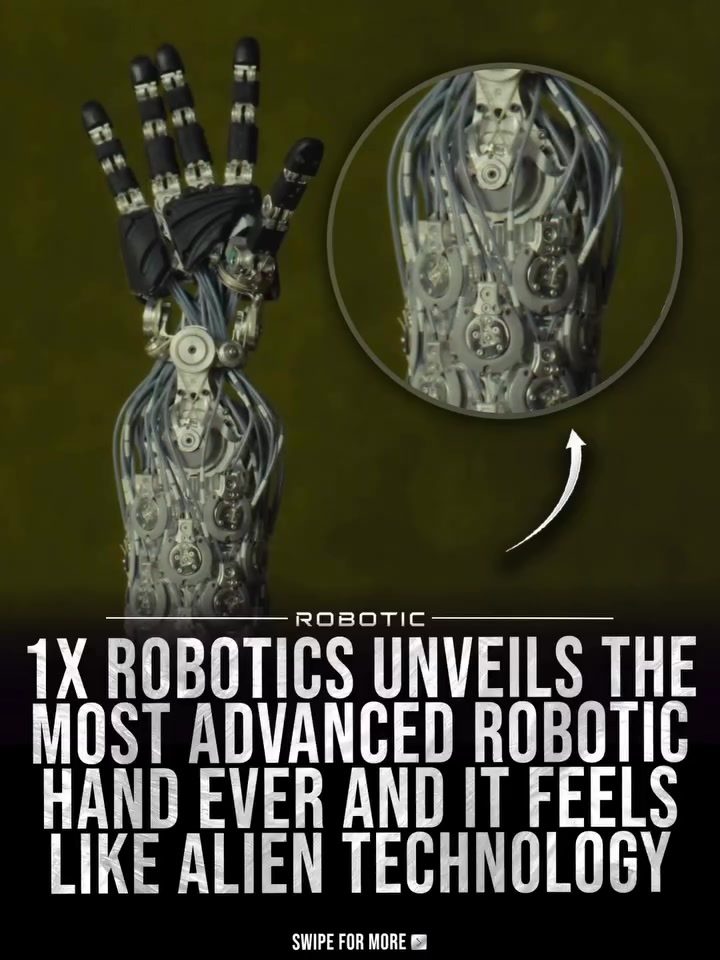
Robotic hands are the frontier of humanoid robotics, pushing the boundaries of what machines can achieve. These advanced hands, showcased by 1X Robotics, tackle one of the most challenging problems in the field: replicating the versatility and precision of the human hand. With 25 degrees of freedom and a tendon-driven design, these hands are engineered to match or even exceed human-level dexterity, strength, and reliability.
Context / Why this Matters
In humanoid robotics, the capabilities of robotic hands are crucial. The hands are the primary interface through which robots interact with the world, making them essential for performing everyday tasks. Until recently, robotic hands have struggled to match the complexity and versatility of human hands, limiting the practical applications of humanoid robots.
The recent advancements in robotic hand technology are significant because they bring us closer to a future where robots can perform intricate tasks with human-like precision. This progress is not just about making robots more efficient; it's about enabling them to interact with the world in a way that is more natural and intuitive, making them better suited for real-world applications.
Main Discussion
The Complexity of Robotic Hands
Creating a robotic hand that can match the human hand's agility and precision is a monumental engineering task. The human hand is a marvel of evolution, with 27 bones, 29 major joints, and over 100 muscles and tendons working together to perform a vast array of tasks. Robotic hands must replicate this complexity while being more reliable and durable than human hands.
The 25 Degrees of Freedom
The 25 degrees of freedom in 1X Robotics's robotic hands refer to the number of joints and movements the hand can make. This level of articulation allows the hand to perform a wide range of tasks, from gripping small objects to performing delicate manipulations. By comparison, most robotic hands have around 10-15 degrees of freedom, limiting their versatility.
Tendon-Driven Design
The tendon-driven design mimics the way human hands operate, using tendons to control the movement of the fingers and thumb. This design allows for smooth, natural movements and greater precision. It also makes the hand more durable, as tendons are less likely to wear out than traditional mechanical joints.
Surpassing Human-Level Dexterity
The goal of surpassing human-level dexterity is ambitious, but it is within reach. Robotic hands can be engineered to be stronger and more reliable than human hands, making them better suited for tasks that require precision and endurance. Additionally, robotic hands can be programmed to perform tasks that would be dangerous or impossible for humans, such as handling hazardous materials or working in extreme environments.
Performance and Reliability
In addition to dexterity, performance, and reliability are critical factors. Robotic hands need to be able to perform tasks repeatedly without deterioration, making them reliable for long-term use. This is especially important for industrial applications, where downtime can be costly. Advanced materials and design techniques are used to ensure that robotic hands are both robust and precise.
Practical Tips
If you are interested in getting the most out of robotic hands like the ones featured by 1X Robotics, consider the following tips:
-
Understand the Limitations: Robotic hands are incredibly advanced, but they still have limitations. Understand the specific capabilities and limitations of the hand you are working with, and plan your tasks accordingly.
-
Proper Maintenance: Regular maintenance is essential to keep robotic hands functioning at their best. Follow the manufacturer's recommendations for cleaning, lubrication, and inspection.
-
Programming and Control: The best robotic hands are only as good as the programming and control systems behind them. Invest in high-quality control systems and take the time to program your hands for optimal performance.
-
Safety First: Always prioritize safety when working with robotic hands. Ensure that the hand is properly secured and that you are using appropriate protective equipment.
Important Takeaways
Robotic hands are a crucial component of humanoid robotics, enabling machines to interact with the world in a more natural and intuitive way. Advanced robotic hands, such as those created by 1X Robotics, push the boundaries of what is possible, offering unprecedented levels of dexterity, strength, and reliability. As this technology continues to evolve, we can expect to see robots performing increasingly complex tasks with human-like precision.
Conclusion
The development of advanced robotic hands marks a significant milestone in the field of robotics. With their 25 degrees of freedom and tendon-driven design, these hands bring us closer to a future where robots can perform everyday tasks with human-like precision. As the technology continues to advance, the potential applications for robotic hands will only expand, making them an essential part of the future of robotics.
Watch the Reel
Questions readers ask
What are the key features of 1X Robotics' advanced robotic hands?
1X Robotics' advanced robotic hands stand out with 25 degrees of freedom, which allows for a wide range of movements. They also utilize a tendon-driven design, enabling precise and strong interactions, similar to a human hand.
How do these robotic hands compare to human hands?
The robotic hands developed by 1X Robotics are designed to match or even exceed human-level dexterity and strength. This means they can perform intricate tasks with a high degree of precision, much like a human hand.
What makes the tendon-driven design significant in robotic hands?
The tendon-driven design in 1X Robotics' hands allows for a more natural and flexible range of motion. This design mimics the way human hands operate, enabling the robotic hands to interact with the environment in a more human-like manner.
Why are 25 degrees of freedom important in robotic hands?
The 25 degrees of freedom in 1X Robotics' hands allow for a vast array of movements, enabling the hands to perform complex and delicate tasks. This level of freedom is crucial for replicating the versatility and precision of human hands.
How do these advanced robotic hands benefit the field of robotics?
These advanced robotic hands enhance the ability of humanoid robots to interact with the world. By mimicking human-like dexterity and strength, they enable robots to perform a wider range of tasks with greater precision, advancing the overall capabilities of robotic technology.
What challenges do robotic hands typically face, and how does 1X Robotics address them?
Traditional robotic hands often struggle with replicating the complexity and versatility of human hands. 1X Robotics addresses these challenges with a design that offers a high degree of freedom and tendon-driven mechanics, allowing for more precise and human-like interactions.
What kind of tasks can these advanced robotic hands perform?
With their high degree of dexterity and strength, 1X Robotics' advanced hands can perform a variety of intricate tasks. These include handling delicate objects, manipulating tools, and interacting with everyday items, making them versatile in various applications.
Related deep dives
Similar reads based on topic and creator.


Recent articles
Fresh deep dives from the latest Reels we unpacked.




Comments
Be the first to comment.