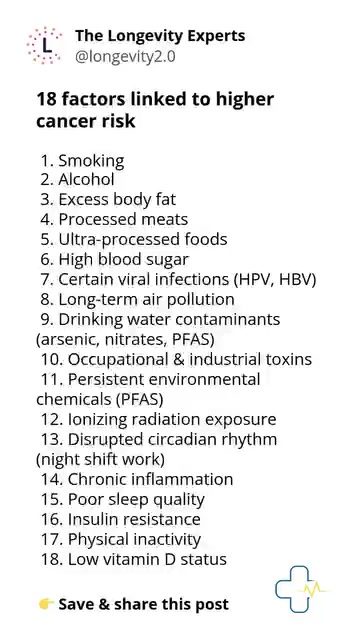
18 Factors Linked to Higher Cancer Risk
Cancer risk is influenced by a myriad of factors, ranging from lifestyle choices to environmental exposures. Understanding these factors can empower individuals to make informed decisions about their health. The Longevity Experts highlight 18 key contributors to higher cancer risk, emphasizing that awareness and prevention start with recognizing these factors.
Why This Matters
Cancer is a complex disease influenced by a combination of lifestyle, metabolic health, environmental factors, and circadian biology. By understanding the factors that contribute to higher cancer risk, individuals can take proactive steps to reduce their susceptibility. This knowledge is crucial for promoting long-term health and well-being.
Main Discussion
Lifestyle Factors
Smoking and Alcohol Consumption
Smoking and alcohol consumption are well-known risk factors for various types of cancer. Quitting smoking and moderating alcohol intake can significantly reduce the risk of developing cancer.
Excess Body Fat and Physical Inactivity
Obesity and physical inactivity are closely linked to higher cancer risk. Excess body fat can lead to chronic inflammation, insulin resistance, and other metabolic changes that promote cancer development. Regular physical activity helps maintain a healthy weight and reduces inflammation.
Dietary Choices
Processed meats, ultra-processed foods, and high blood sugar levels are all associated with an increased risk of cancer. These dietary factors contribute to chronic inflammation and metabolic dysfunction, creating an environment conducive to cancer growth. Opting for a diet rich in whole foods, fruits, and vegetables can help mitigate these risks.
Environmental Factors
Long-term Air Pollution and Drinking Water Contaminants
Exposure to long-term air pollution and drinking water contaminants such as arsenic, nitrates, and PFAS (per- and polyfluoroalkyl substances) can increase cancer risk. These environmental pollutants can disrupt cellular processes and contribute to DNA damage.
Occupational and Industrial Toxins
Working in environments with occupational and industrial toxins, such as asbestos, benzene, and other chemicals, increases the risk of developing certain types of cancer. Implementing strict safety protocols and using protective equipment can help minimize exposure.
Biological and Metabolic Factors
Certain Viral Infections
Certain viral infections, including HPV (human papillomavirus), HBV (hepatitis B virus), and HCV (hepatitis C virus), are strongly linked to higher cancer risk. Vaccination and safe sex practices can help prevent these infections and reduce the associated cancer risk.
Chronic Inflammation and Disrupted Circadian Rhythm
Chronic inflammation and disrupted circadian rhythm, often caused by night shift work, can lead to hormonal imbalances and weakened immune function. These factors contribute to a higher risk of cancer development. Maintaining a consistent sleep schedule and managing stress can help regulate the body's natural rhythms.
Insulin Resistance and Low Vitamin D Status
Insulin resistance and low vitamin D status are associated with an increased risk of cancer. These metabolic conditions can lead to chronic inflammation and impaired immune function, making the body more susceptible to cancer. Regular exercise, a balanced diet, and adequate sunlight exposure can help maintain healthy insulin levels and vitamin D status.
Practical Tips
- Quit Smoking and Limit Alcohol: Seek support programs and resources to help quit smoking and limit alcohol consumption.
- Maintain a Healthy Weight: Engage in regular physical activity and adopt a balanced diet to maintain a healthy weight.
- Eat a Nutritious Diet: Focus on whole foods, fruits, and vegetables, and limit processed and ultra-processed foods.
- Avoid Environmental Pollutants: Use air filters, drink purified water, and follow safety guidelines in the workplace.
- Get Vaccinated: Ensure vaccination against viral infections like HPV, HBV, and HCV.
- Manage Stress and Sleep: Practice stress-reduction techniques and maintain a consistent sleep schedule.
- Regular Check-ups: Schedule regular health check-ups to monitor metabolic health and vitamin D levels.
Important Takeaways
Understanding and addressing the 18 factors linked to higher cancer risk can significantly enhance overall health and well-being. Cancer prevention involves a holistic approach that includes lifestyle modifications, environmental awareness, and metabolic health management. By taking proactive steps, individuals can reduce their cancer risk and promote long-term health. Risk is cumulative, not binary, and small changes can make a big difference. Many of these factors are modifiable, and seeking direction rather than perfection is key.
Conclusion
Cancer is a complex disease influenced by a combination of lifestyle, metabolic health, environmental factors, and circadian biology. The 18 factors highlighted by The Longevity Experts provide a comprehensive overview of the key contributors to higher cancer risk. By recognizing and addressing these factors, individuals can take proactive steps to reduce their susceptibility to cancer and promote long-term health.
Watch the Reel
Questions readers ask
What are the most significant lifestyle factors that can increase cancer risk?
The most significant lifestyle factors include smoking, excessive alcohol consumption, and a sedentary lifestyle. Smoking, in particular, is linked to numerous types of cancer, while a lack of physical activity and poor diet can lead to obesity, which is also a major risk factor. Limiting alcohol intake and maintaining a healthy weight are key to reducing cancer risk.
How does pollution contribute to cancer risk?
Environmental pollution, including air, water, and soil contamination, exposes individuals to various carcinogens. Long-term exposure to pollutants like particulate matter, pesticides, and heavy metals can damage cells and increase the likelihood of developing cancer. Reducing exposure to these pollutants can help lower cancer risk.
Is there a link between circadian rhythm and cancer risk?
Yes, disruptions in circadian rhythm—our body's internal clock—can increase cancer risk. Irregular sleep patterns, shift work, and exposure to light at night can interfere with hormones and biological processes that regulate cell growth and repair, potentially leading to cancer. Maintaining a consistent sleep schedule can help mitigate this risk.
What role does chronic inflammation play in cancer development?
Chronic inflammation can create an environment that promotes cancer development by damaging DNA and interfering with normal cellular processes. Conditions that cause persistent inflammation, such as chronic infections or autoimmune disorders, can increase cancer risk. Managing inflammation through a healthy lifestyle and medical treatment can help reduce this risk.
How do chemical exposures, such as PFAS, impact cancer risk?
Certain chemicals, like per- and polyfluoroalkyl substances (PFAS), are known to increase cancer risk. These chemicals, often found in non-stick cookware and water-repellent clothing, can accumulate in the body and interfere with hormonal and immunological processes, leading to an increased risk of various cancers. Limiting exposure to these chemicals is essential for risk reduction.
Can processed foods increase the risk of cancer?
Yes, consuming a diet high in processed foods can increase cancer risk. These foods often contain additives, preservatives, and high levels of sugar and unhealthy fats, which can contribute to obesity, inflammation, and other health issues that raise the likelihood of developing cancer. Opting for whole, unprocessed foods can help lower this risk.
What steps can be taken to reduce long-term cancer risks?
Reducing long-term cancer risks involves a combination of lifestyle changes and environmental awareness. Quitting smoking, maintaining a healthy weight, engaging in regular physical activity, and eating a balanced diet are crucial. Additionally, minimizing exposure to pollutants, chemicals, and other environmental hazards can significantly lower cancer risk.
Related deep dives
Similar reads based on topic and creator.




Recent articles
Fresh deep dives from the latest Reels we unpacked.




Comments
Be the first to comment.