Cost-Focused Engineering: The Dialysis Machine Prototype
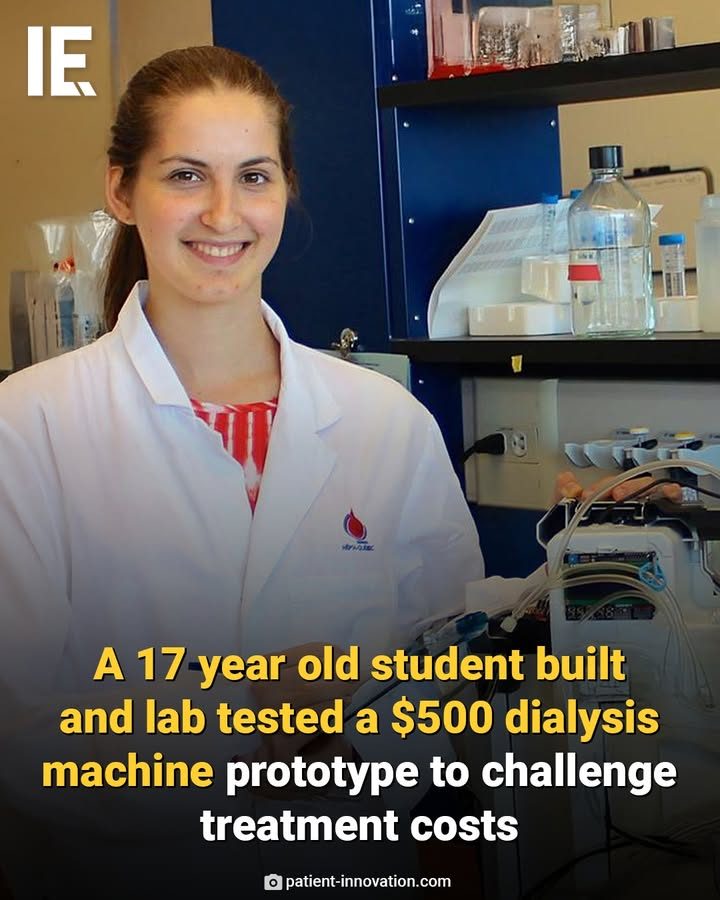
A high school student has managed to build a dialysis machine prototype for around $500. This is in stark contrast to the conventional dialysis machines that cost around $30,000. The student, Anya Pogharian, designed and lab tested this prototype after volunteering in a hospital dialysis unit and realizing the high cost of conventional machines.
Why This Matters
Dialysis is a critical treatment for individuals with kidney failure, helping to filter waste and excess fluids from the blood. However, the high cost of dialysis machines and treatments creates significant financial barriers, particularly in regions with limited healthcare resources. The development of a low-cost dialysis machine prototype represents a significant step towards making this life-saving treatment more accessible.
Main Discussion
The Inspiration Behind the Project
Anya Pogharian's journey began with a volunteer experience in a hospital dialysis unit. Witnessing the high costs of conventional dialysis machines, she felt a need to find a cost-effective solution. This realization led her to study how dialysis systems work and explore ways to rebuild the core process using widely available components.
The Design and Components
To bring the cost down to approximately $500, Pogharian focused on using commonly available materials and components. This approach not only reduced the cost significantly but also demonstrated how cost-focused engineering can innovate existing technologies. By simplifying the design and utilizing accessible parts, she created a prototype that could potentially revolutionize dialysis treatment costs.
The Impact of Cost-Focused Engineering
Pogharian's prototype highlights the potential of cost-focused engineering in medical technology. By making dialysis machines more affordable, this innovation could greatly enhance access to life-saving treatments, particularly in regions with limited resources. The prototype is a testament to the power of innovative thinking and practical engineering solutions in addressing global health challenges.
The Path Ahead
While the device is still in the research prototype phase, it requires extensive clinical trials and regulatory approval before it can be widely used. The development process involves rigorous testing to ensure the prototype's safety and efficacy. Pogharian's work showcases the potential for cost-first redesigns in essential medical technologies, encouraging further innovation and development in this area.
Practical Tips
For those interested in following a similar path:
-
Volunteer or Intern in Medical Settings: Learning about the direct needs and challenges in medical fields can inspire innovative solutions. Hospitals and clinics are often open to volunteers and offer a wealth of practical experience.
-
Study Existing Technologies: Understanding how current systems work is crucial for developing innovative solutions. Look for academic resources, journals, and expert talks that delve into the technical and operational details of the technology you are interested in.
-
Focus on Cost-Effective Materials: Think about using commonly available materials and components to bring down costs. This approach does not mean compromising on quality or functionality but rather finding cheaper alternatives that offer similar performance.
-
Prototype and Test: Develop a prototype and test it rigorously. This step is essential to ensure that the solution is viable and effective. Consider collaborating with labs and medical professionals to conduct thorough testing.
-
Engage the Community: Share your ideas and prototypes with the community. Feedback and collaboration can provide valuable insights and support your development process. Networking with professionals in the field can also offer mentorship and guidance.
Important Takeaways
Pogharian's dialysis machine prototype exemplifies the impact of cost-focused engineering. Some key takeaways from this initiative include:
-
Innovation Drives Progress: Innovative thinking and practical engineering solutions can address significant global health challenges. Pogharian's prototype demonstrates that even complex medical technologies can be reimagined with a focus on cost.
-
Accessibility Matters: High costs can create barriers to essential treatments. Lowering costs through innovative designs can make life-saving treatments more accessible, especially in resource-limited regions.
-
Collaboration and Feedback are Crucial: Engaging with the community and seeking feedback can significantly enhance the development process. Collaboration with experts and professionals in the field can provide valuable insights and support.
Conclusion
The dialysis machine prototype developed by a 17-year-old student is a testament to the power of innovation and cost-focused engineering. By studying existing systems and utilizing widely available components, Pogharian created a prototype that could potentially revolutionize dialysis treatment costs. This initiative underscores the importance of affordable medical technologies in enhancing access to life-saving treatments. As more medical technologies undergo cost-focused redesigns, the future of healthcare looks promising, with greater accessibility and affordability for patients worldwide.
Watch the Reel
Questions readers ask
Who is Anya Pogharian and what did she create?
Anya Pogharian is a high school student who created a dialysis machine prototype. The prototype is a functioning dialysis machine with the potential to revolutionize treatment by reducing costs.
What is the cost of Anya Pogharian's dialysis machine prototype?
Anya Pogharian's dialysis machine prototype cost around $500 to build, which is significantly lower than the typical cost of $30,000 for conventional machines.
Why is Anya Pogharian's innovation important?
Anya Pogharian's innovation is important because it addresses the financial barriers to dialysis treatment, offering a potential solution for regions with limited healthcare resources.
How does the low-cost dialysis machine benefit patients in developing countries?
The low-cost dialysis machine prototype benefits patients in developing countries by providing an affordable treatment option. This can increase accessibility to life-saving dialysis treatments for those who might otherwise go without due to financial constraints.
What inspired Anya Pogharian to build a low-cost dialysis machine?
Anya Pogharian was inspired to build a low-cost dialysis machine after volunteering in a hospital dialysis unit. She recognized the high cost of conventional dialysis machines and sought to create an affordable alternative.
What are the potential impacts of a low-cost dialysis machine on global health?
A low-cost dialysis machine could have significant impacts on global health by making dialysis treatment more accessible. This could lead to improved health outcomes for individuals with kidney failure in regions with limited healthcare resources.
How can a low-cost dialysis machine change the future of dialysis treatment?
A low-cost dialysis machine can change the future of dialysis treatment by making it more accessible and affordable. This innovation could reduce the financial burden on patients and healthcare systems, allowing more people to receive the treatment they need.
Related deep dives
Similar reads based on topic and creator.


Recent articles
Fresh deep dives from the latest Reels we unpacked.




Comments
Be the first to comment.