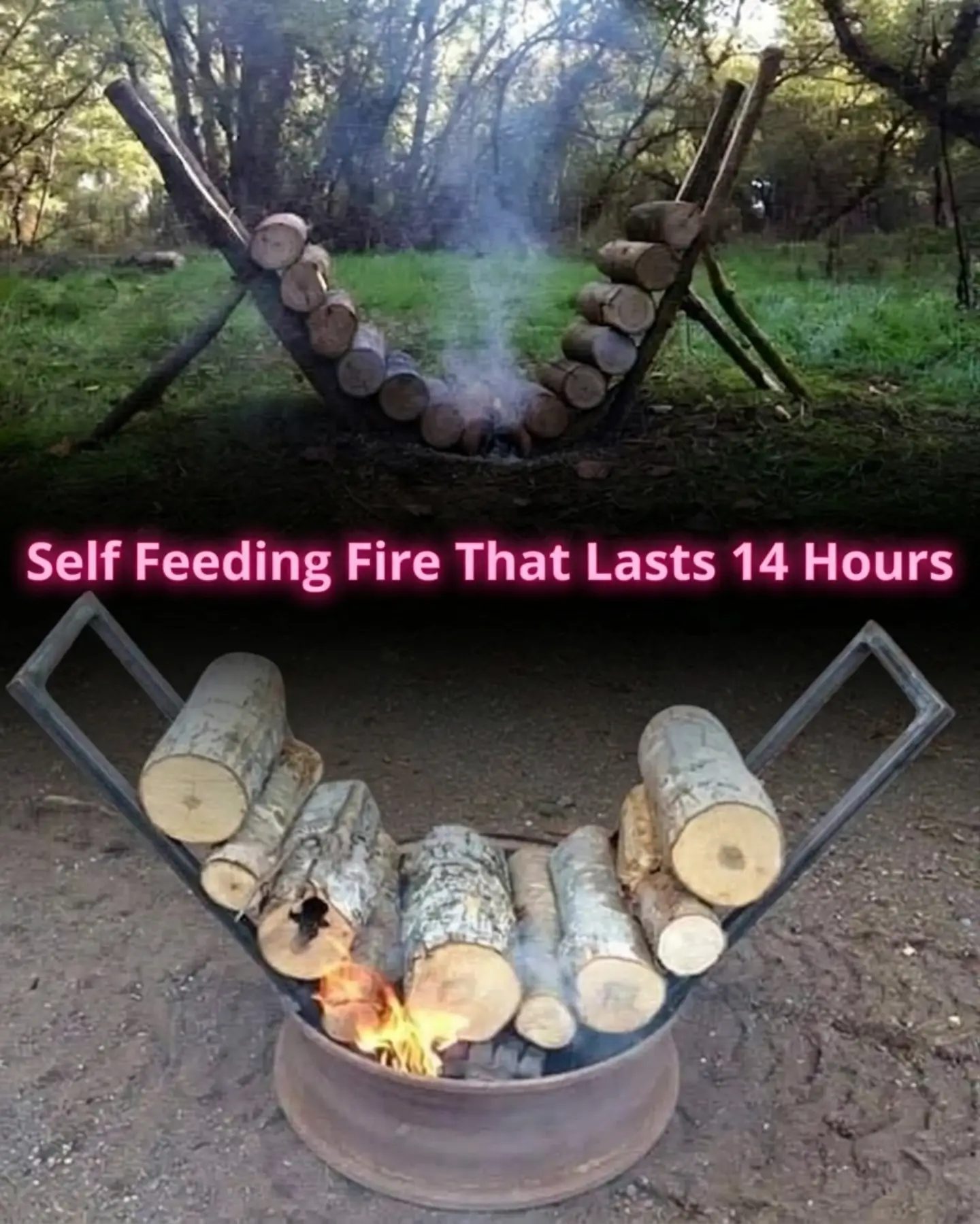
Self-Feeding Fire Pits: Design and Benefits
Self-feeding fire pits offer a unique and efficient way to enjoy outdoor fires. These innovative designs are crafted to burn for extended periods with minimal intervention, making them ideal for camping, backyard gatherings, or any outdoor setting. The key feature of a self-feeding fire pit is its ability to sustain a fire for up to 14 hours, reducing the need for constant refueling.
Context / Why This Matters
Outdoor enthusiasts and homeowners alike appreciate the convenience and longevity of self-feeding fire pits. Traditional fire pits require frequent maintenance, such as adding wood and managing the fire to prevent it from dying out. A self-feeding fire pit, on the other hand, can offer a hassle-free experience, allowing users to enjoy the warmth and ambiance without constant upkeep. This makes them perfect for long evenings outdoors, whether you're hosting a party or simply relaxing solo.
Main Discussion
Design and Structure
Self-feeding fire pits are typically built with logs arranged in a triangular shape. This unique configuration allows the fire to continuously feed on the wood, ensuring a steady burn. The triangular arrangement creates a natural airflow that helps the fire sustain itself, reducing the need for manual adjustments.
How It Works
The self-feeding mechanism relies on the strategic placement of logs. As the fire burns from the bottom, the logs above gradually fall inward, maintaining a consistent fuel supply. This process is slow and controlled, ensuring that the fire burns evenly and efficiently. The logs are usually arranged in such a way that they create a stable structure, preventing any sudden collapses or disruptions.
Benefits of a Self-Feeding Fire Pit
Extended Burn Time
One of the most significant advantages of a self-feeding fire pit is its extended burn time. With the ability to last up to 14 hours, these fire pits offer a prolonged period of enjoyment without the need for frequent refueling. This makes them perfect for overnight camping trips or all-day backyard parties.
Reduced Maintenance
Self-feeding fire pits require minimal maintenance, making them a convenient option for those who want to enjoy an outdoor fire without the hassle. The self-sustaining design ensures that the fire burns steadily, reducing the need for constant monitoring and adjustments.
Environmentally Friendly
Self-feeding fire pits can also be more environmentally friendly compared to traditional fire pits. The efficient burning process reduces the amount of wood needed, minimizing waste and the impact on the environment. Additionally, the controlled burn helps to reduce smoke and emissions, making it a cleaner option for outdoor fires.
Practical Tips for Building and Maintaining a Self-Feeding Fire Pit
Choosing the Right Wood
Select dry, seasoned wood for your fire pit. Green or wet wood can produce more smoke and creosote, which can be harmful and reduce the efficiency of the burn. Ensure the wood is cut to the appropriate size to fit the triangular structure.
Building the Structure
When building the fire pit, start with a small base of kindling and a few larger logs arranged in a triangular shape. Gradually add more logs, ensuring they are stable and well-supported. Maintain a gap between the logs to allow for airflow, which is crucial for a sustained burn.
Safety Precautions
Always prioritize safety when building and using a self-feeding fire pit. Ensure the fire pit is placed on a flat, non-flammable surface and keep a safe distance from any combustible materials. Have a fire extinguisher or a bucket of water nearby in case of emergencies.
Important Takeaways
Self-feeding fire pits offer a convenient and efficient way to enjoy outdoor fires. Their design, which involves logs arranged in a triangular shape, allows for a sustained burn of up to 14 hours with minimal intervention. This makes them ideal for various outdoor activities, from camping to backyard gatherings. The benefits include reduced maintenance, extended burn time, and an environmentally friendly burning process. By following practical tips for building and maintaining the fire pit, you can ensure a safe and enjoyable experience.
Conclusion
Self-feeding fire pits are a game-changer for outdoor enthusiasts and homeowners. Their innovative design and efficient burning process make them a convenient and enjoyable option for extended outdoor fires. Whether you're planning a camping trip or a backyard party, a self-feeding fire pit can enhance your experience with minimal hassle. By understanding the design, benefits, and practical tips for building and maintaining these fire pits, you can create a memorable and hassle-free outdoor experience.
Watch the Reel
Questions readers ask
How does a 14-hour self-feeding fire pit maintain a consistent fire?
A 14-hour self-feeding fire pit maintains a consistent fire through its unique design, which allows logs to burn efficiently and continuously. The triangular log arrangement promotes steady air flow and gradual fuel consumption, ensuring the fire lasts up to 14 hours without needing constant attention.
What are the benefits of using a self-feeding fire pit over a traditional one?
Self-feeding fire pits offer several advantages over traditional ones. They require less maintenance, as they don't need frequent refueling. They also provide a longer, more consistent burn time, making them perfect for extended outdoor activities or overnight camping.
How do I arrange the logs in a self-feeding fire pit to achieve a 14-hour burn?
To arrange logs for a 14-hour burn, start by creating a triangular structure with your logs. Place the largest logs at the base, then stack smaller logs in a tiered manner, leaving spaces for airflow. The top should have kindling for easy ignition.
Can I build a self-feeding fire pit at home, or do I need to buy one?
You can build a self-feeding fire pit at home using available resources and a bit of creativity. There are numerous tutorials and fire pit design videos online that guide you through the process, from choosing the right materials to arranging the logs for optimal burning.
What types of wood should be used in a self-feeding fire pit for the best results?
For the best results, use seasoned hardwoods like oak, maple, or birch, which burn longer and produce more heat. Avoid softwoods like pine, which burn quickly and create more smoke. Additionally, ensure the wood is dry to prevent excessive smoke and creosote buildup.
How do I ensure my self-feeding fire pit burns safely?
To ensure safe burning, place your fire pit on a stable, non-flammable surface, away from trees, structures, and other combustible materials. Regularly check for any signs of instability or uneven burning, and always keep a fire extinguisher or water source nearby.
Can I use a self-feeding fire pit for cooking?
While self-feeding fire pits are primarily designed for ambiance and warmth, you can use them for simple cooking tasks. However, it's essential to ensure the fire is stable and the heat is consistent. For more complex cooking, consider using a separate grill or cooking surface designed for that purpose.
Related deep dives
Similar reads based on topic and creator.



Recent articles
Fresh deep dives from the latest Reels we unpacked.




Comments
Be the first to comment.