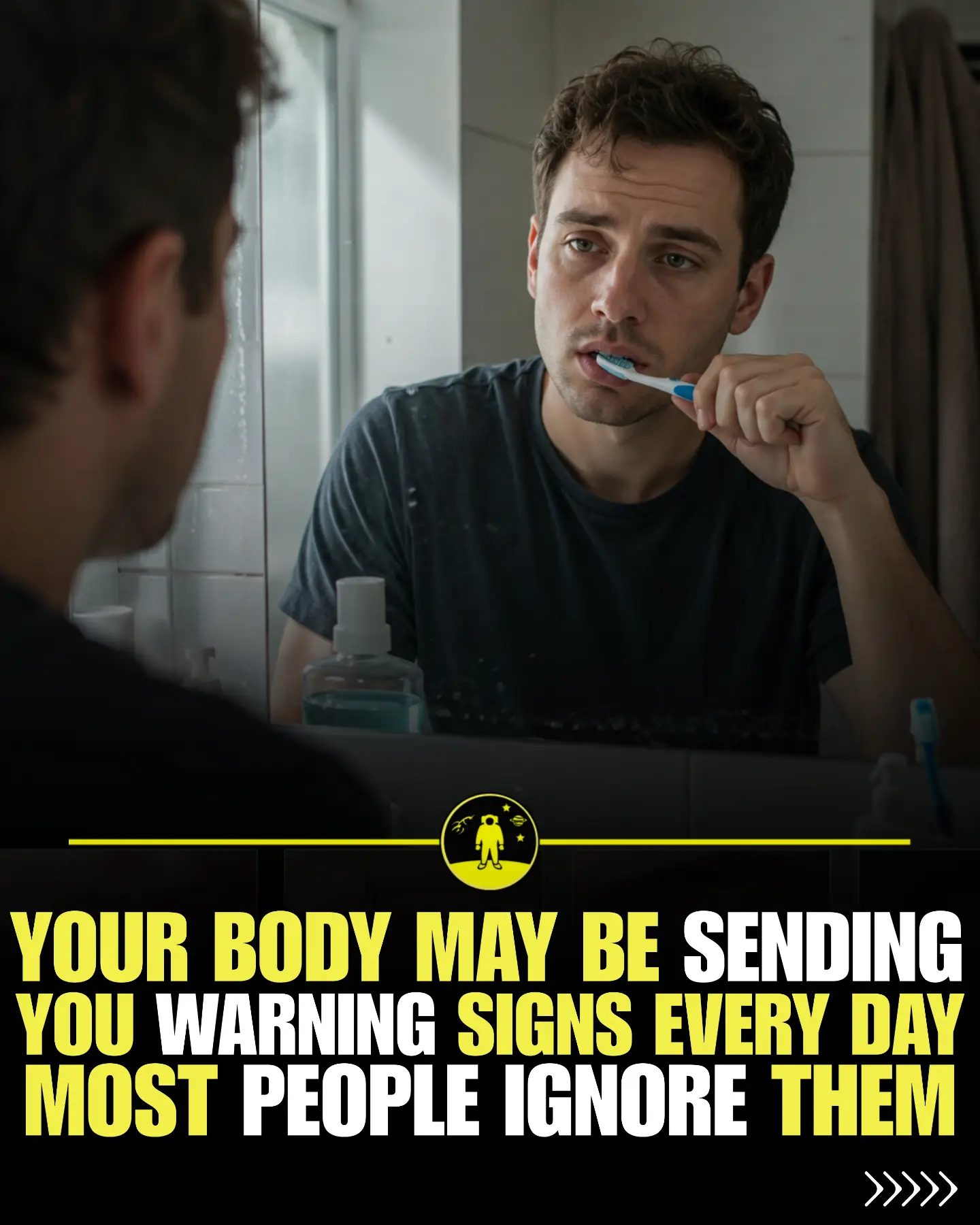
Body Warning Signs
Your body communicates with you constantly, sending signals that can indicate underlying issues. These signs often go unnoticed, but paying attention to them can provide valuable insights into your overall health. Common symptoms such as eyelid twitches, white spots on nails, cracked lips, cold hands, unexplained bruising, morning bad breath, and trouble sleeping can have various causes. Understanding these signals can help you determine whether they are temporary and harmless or if they require medical attention.
Why this matters
Body warning signs matter because they can alert you to potential health issues before they become more serious. Ignoring these signals can lead to undiagnosed conditions that may worsen over time. By being aware of these signs and understanding their possible causes, you can take proactive steps to maintain your health and seek medical advice when necessary.
Main Discussion
Eyelid Twitching
Eyelid twitching is a common phenomenon that can be caused by a variety of factors. While it is often linked to stress, fatigue, eye strain, or caffeine intake, it is not always an indication of magnesium deficiency. Most cases of eyelid twitching are temporary and resolve on their own. However, if the twitching persists or is accompanied by other symptoms, it may be worthwhile to consult a healthcare professional. In rare cases, eyelid twitching can be a symptom of more serious conditions, such as a neurological disorder or a side effect of certain medications.
White Spots on Nails
White spots on the nails are often a result of minor injuries to the nail bed, such as trauma from biting, peeling, or slamming your fingers in a door. These spots are usually harmless and do not indicate low zinc levels, as is commonly believed. However, if the spots are accompanied by changes in the nail's shape, color, or texture, or if they persist for an extended period, it could be a sign of a fungal infection or nutritional deficiency. In such cases, consulting a healthcare provider for further evaluation is advisable.
Cracked Lips
Cracked lips, particularly at the corners of the mouth, can be caused by a variety of factors. These include dryness, irritation, infection, dry skin, poorly fitting dental appliances, or nutritional deficiencies such as iron or certain B vitamins. Environmental factors, such as cold weather or wind, can also contribute to this condition. While cracked lips can be uncomfortable, they are usually not a serious concern. Keeping your lips hydrated and protected from environmental elements can help alleviate this issue. If the condition persists or worsens, it may be a good idea to consult a healthcare professional to rule out any underlying medical conditions.
Cold Hands and Feet
Cold hands and feet can be influenced by a range of factors, including temperature, circulation, stress, anemia, and thyroid conditions. In many cases, this is a normal response to cold weather or stress and does not indicate a serious health issue. However, if you frequently experience cold hands and feet, especially if accompanied by other symptoms such as fatigue, dizziness, or shortness of breath, it may be a sign of an underlying condition such as poor circulation, anemia, or hypothyroidism. Regular exercise, a balanced diet, and maintaining a healthy lifestyle can help improve circulation and reduce the frequency of cold hands and feet.
Unexplained Bruising
Frequent or unexplained bruising can be a cause for concern and should not be ignored. While minor bruises are a normal part of daily life, especially with activities that involve physical contact, repeated or unexplained bruising can be a sign of a more serious condition. Common causes include aging, medications that interfere with blood clotting, nutritional deficiencies, or bleeding disorders. If you notice unusual bruising, particularly if it is accompanied by other symptoms such as fatigue, joint pain, or frequent nosebleeds, it is important to consult a healthcare professional for a thorough evaluation.
Morning Bad Breath
Morning bad breath, also known as halitosis, is a common issue that affects many people. It is usually related to dry mouth, reduced saliva production during sleep, oral bacteria, gum disease, or mouth breathing. While occasional morning bad breath is normal, if it persists throughout the day or is accompanied by other symptoms such as a dry mouth, sore throat, or a white coating on the tongue, it may indicate an underlying dental or health issue. Maintaining good oral hygiene, staying hydrated, and visiting a dentist for regular check-ups can help manage and prevent morning bad breath.
Trouble Sleeping
Difficulty sleeping despite feeling exhausted can be a frustrating experience. This condition, known as insomnia, can be connected to a variety of factors, including stress, anxiety, irregular sleep schedules, caffeine intake, medications, or an underlying sleep disorder. While occasional sleeplessness is normal, persistent insomnia can have a significant impact on your overall health and well-being. Establishing a consistent sleep routine, avoiding caffeine and electronic devices before bed, and creating a relaxing sleep environment can help improve sleep quality. If sleep issues persist, consulting a healthcare provider can help identify and address any underlying causes.
Practical Tips
- Keep track of your symptoms and note any patterns, such as when they occur and how long they last. This information can be valuable when discussing your health with a healthcare professional.
- Maintain a balanced diet and stay hydrated to support overall health and well-being.
- Prioritize good sleep hygiene, including a consistent sleep schedule, a comfortable sleep environment, and relaxing bedtime routines.
- Regular exercise can help improve circulation, reduce stress, and promote overall health.
- Avoid self-diagnosing based on symptoms alone. Consult a healthcare professional for a thorough evaluation and appropriate treatment.
Important Takeaways
Understanding your body's warning signs can help you identify potential health issues early on and take appropriate action. While many symptoms are temporary and harmless, others may require medical attention. Always take note of patterns and consult a healthcare professional if symptoms persist or worsen. And remember, maintaining a healthy lifestyle, including a balanced diet, regular exercise, and good sleep hygiene, can support overall health and well-being.
Conclusion
Listening to your body and paying attention to its warning signs is an essential part of maintaining good health. By recognizing and understanding common symptoms, you can take proactive steps to address potential issues before they become more serious. Whether it's eyelid twitching, white spots on nails, cracked lips, cold hands, unexplained bruising, morning bad breath, or trouble sleeping, each symptom can provide valuable insights into your overall health. Always consult a healthcare professional for a thorough evaluation and appropriate treatment.
Watch the Reel
Questions readers ask
What are some common body warning signs that I should pay attention to?
Common body warning signs include eyelid twitches, white spots on nails, cracked lips, cold hands, unexplained bruising, morning bad breath, and trouble sleeping. These signs can indicate underlying health issues that may require medical attention.
Should I be concerned about eyelid twitching?
Eyelid twitching can be a normal response to stress or fatigue. However, if it persists for more than a few days or is accompanied by other symptoms like drooping eyelids or eye discomfort, it could indicate an underlying condition such as dry eyes or a neurological issue, so consult a healthcare professional for guidance.
What do white spots on nails indicate?
White spots on nails can be a sign of zinc deficiency. It can also be caused by minor injuries to the nail, so it’s important to monitor if the spots are recurring. If you notice persistent white spots, it could be a good idea to consult with a doctor for a proper evaluation.
Why do I have cracked lips and what should I do about it?
Cracked lips can be due to dryness, dehydration, or a deficiency in certain vitamins and minerals, such as vitamin B and iron. Ensure you're staying hydrated and consult a healthcare professional to address any underlying deficiencies if the issue persists.
What could be the cause of my cold hands?
Cold hands can be a sign of poor circulation, low blood pressure, or an underlying condition such as Raynaud's disease. If you frequently experience cold hands, it's a good idea to speak with a healthcare professional to rule out any serious issues and explore treatment options.
Why do I wake up with bad breath in the morning?
Morning bad breath can be a normal occurrence due to reduced saliva production during sleep. However, persistent bad breath may indicate a dental issue, such as gum disease or cavities, or even digestive problems. If it doesn't improve with good oral hygiene, consult a dentist or physician.
What should I do if I’m having trouble sleeping?
Trouble sleeping can be caused by stress, an uncomfortable sleep environment, or an underlying sleep disorder. To improve your sleep, try maintaining a consistent sleep schedule, creating a relaxing bedtime routine, and optimizing your sleep environment. If sleep problems persist, consider speaking with a doctor for further assessment.
Related deep dives
Similar reads based on topic and creator.

Recent articles
Fresh deep dives from the latest Reels we unpacked.




Comments
Be the first to comment.