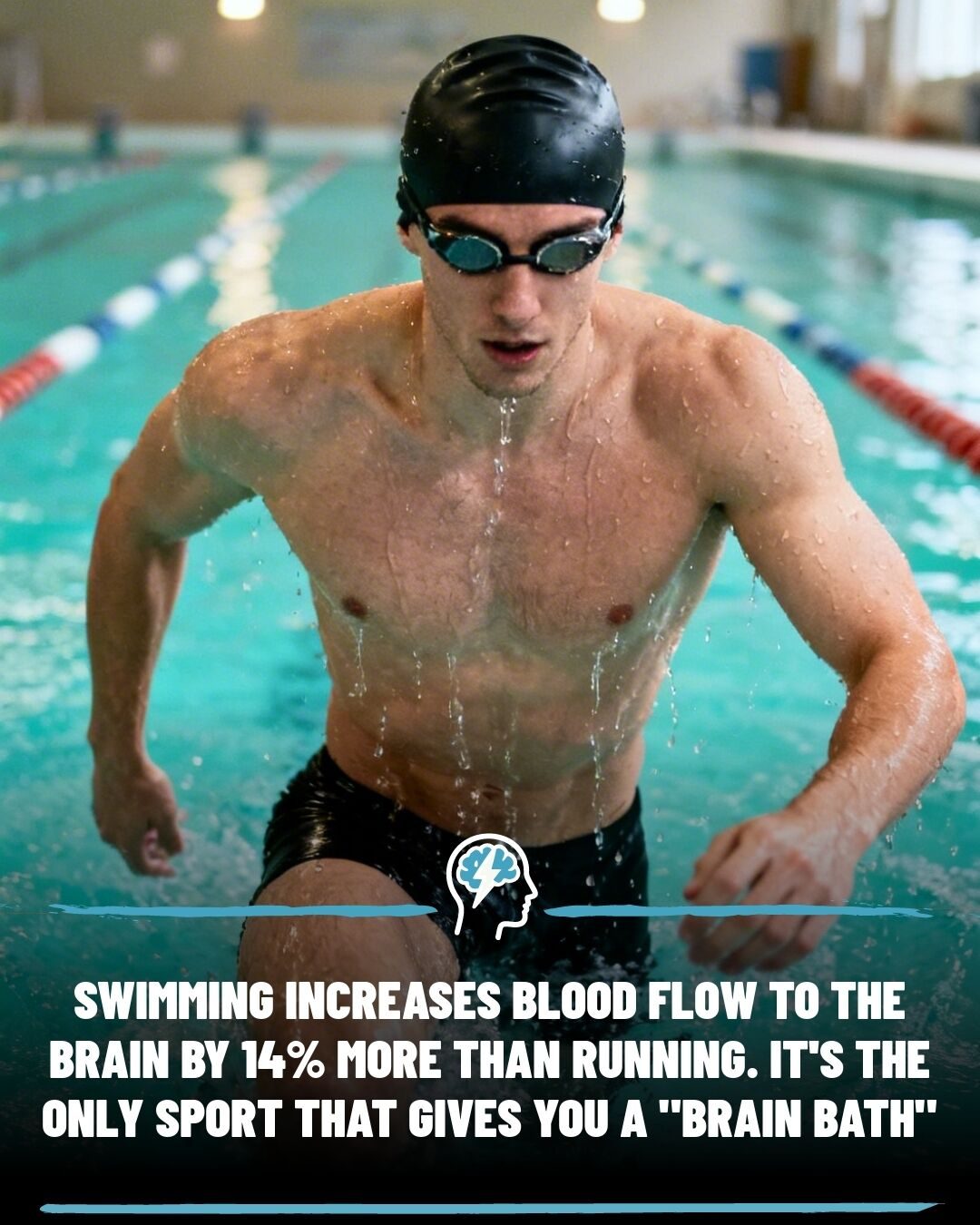
7 Surprising Ways Swimming Benefits Your Brain
Swimming offers unique cognitive benefits beyond physical fitness. Studies show that water-based exercise increases cer…
Category
Deep-dive articles in this topic.
Swimming offers unique cognitive benefits beyond physical fitness. Studies show that water-based exercise increases cer…

The 12-3-30 treadmill workout, involving walking at a 12% incline for 30 minutes at 3 mph, has sparked curiosity with c…

Understand how running impacts testosterone levels, and learn why the intensity and volume of your training regimen may…

Chia seeds are a versatile superfood known for their impressive water-absorbing abilities, aiding hydration and digesti…

Bananas serve as an excellent, natural pre-workout snack, supplying essential carbohydrates, potassium, and vitamin B6…

Taking creatine after a workout may enhance muscle growth and strength. Increased blood flow and anabolic signaling pos…

Top athletes and fitness enthusiasts alike know that the key to exceptional performance is balancing strength and endur…

Pull-ups are a fundamental exercise that poses a significant challenge to most adults due to the strength-to-weight rat…

Losing weight can significantly ease knee pressure, improving joint health and mobility. Every pound lost reduces the m…

Barefoot walking, or "earthing," involves walking on natural surfaces without shoes, and it's linked to reduced inflamm…
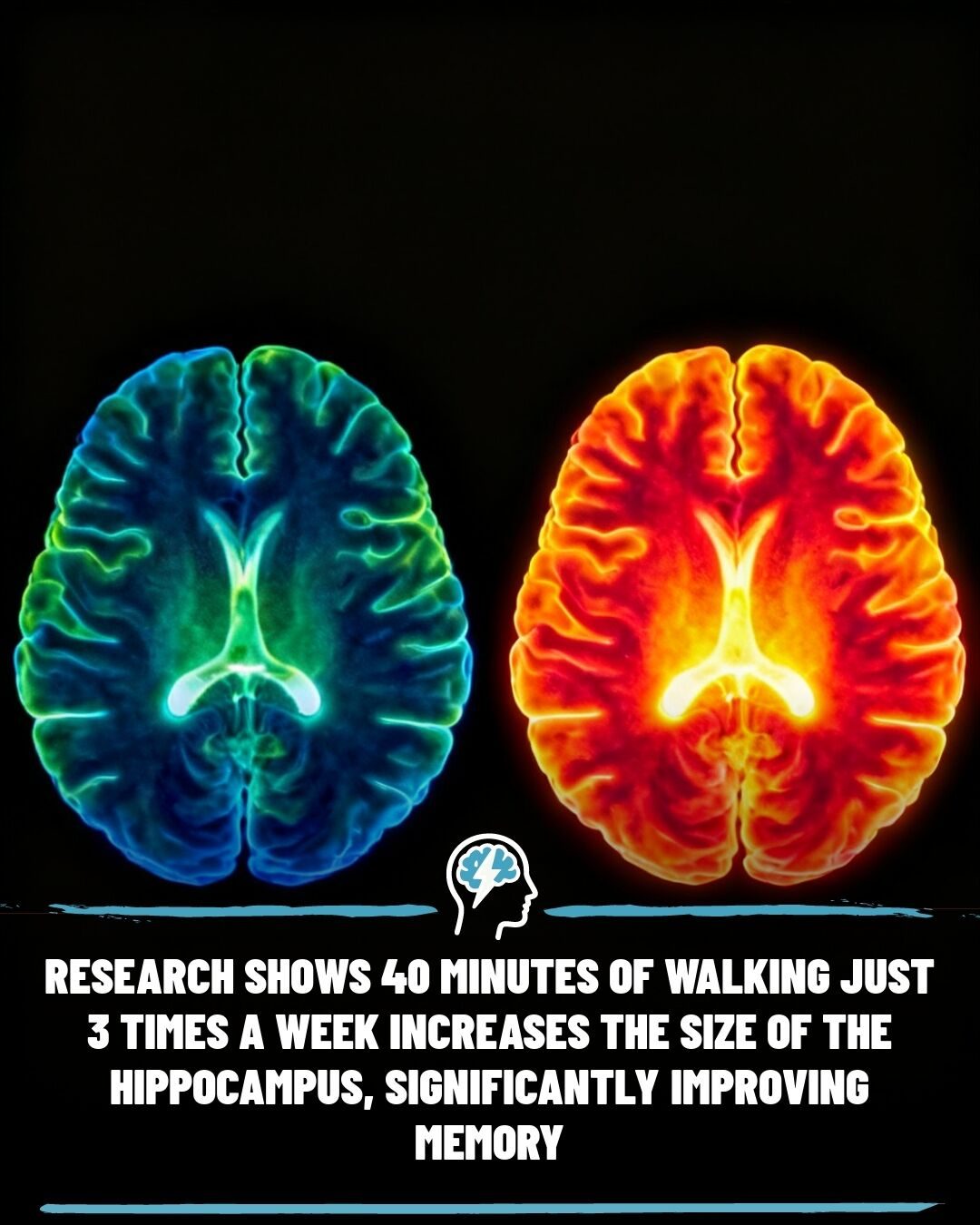
Walking regularly can dramatically improve memory and cognitive function. Specifically, a daily 40-minute walk, 3 times…

Children with physically active parents are up to six times more likely to maintain their fitness. Parent's active lif…