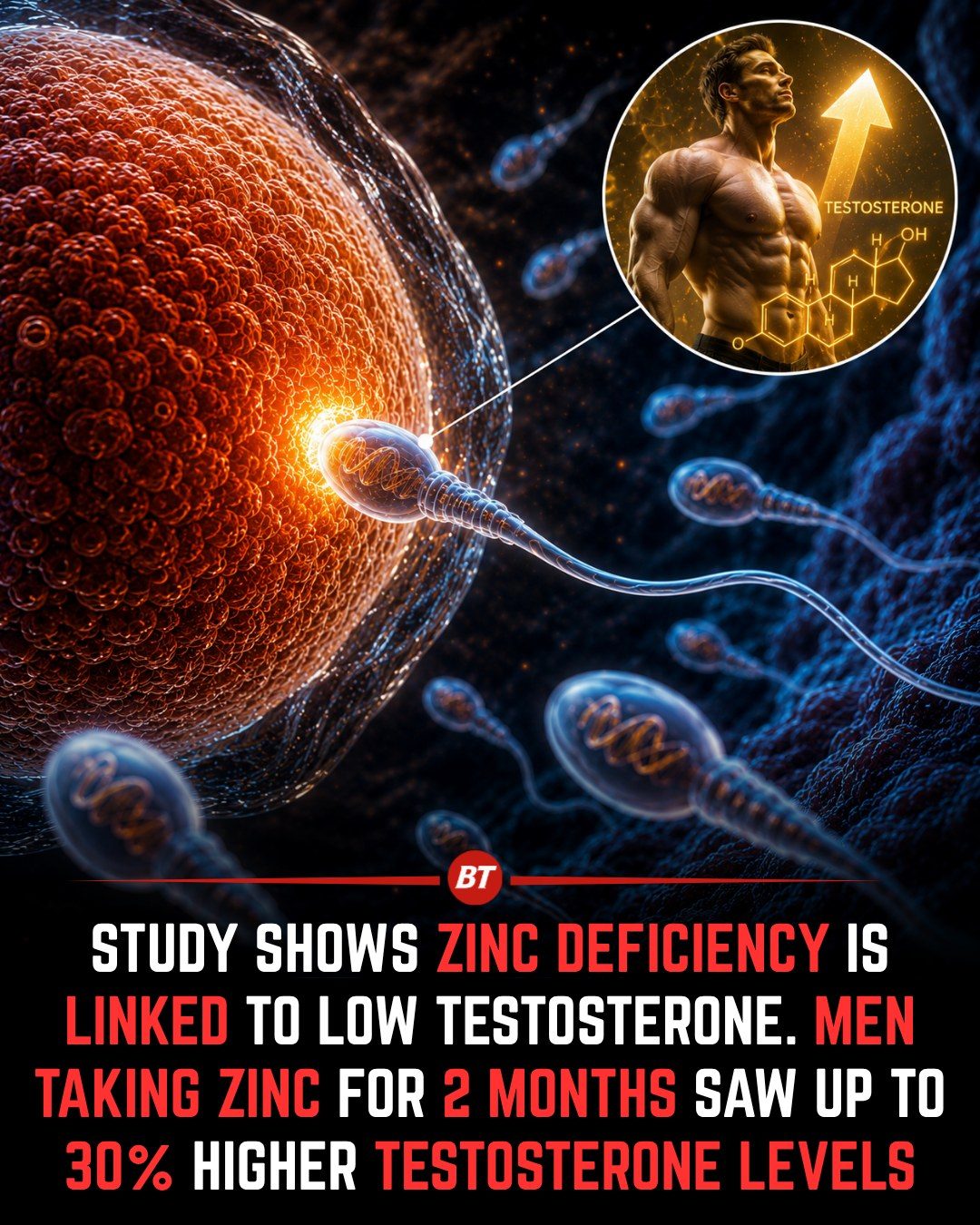
Testosterone and Zinc: A Key Mineral for Men's Health
Zinc is a vital mineral that plays a crucial role in various bodily functions, including the production of testosterone. This mineral is essential for maintaining overall health, especially in men. The connection between zinc and testosterone levels has been a subject of interest in nutritional science, with studies highlighting the significant impact of zinc deficiency on testosterone production.
Context / Why This Matters
Testosterone is a hormone that is crucial for male reproductive health, muscle development, and overall well-being. Zinc is involved in hundreds of enzymatic reactions in the body, including those necessary for testosterone production, immune function, and muscle recovery. The testes contain some of the highest concentrations of zinc in the body, underscoring its importance for male reproductive health.
Main Discussion
The Role of Zinc in Testosterone Production
Zinc plays a pivotal role in the production of testosterone. Research has shown that zinc deficiency can lead to a significant drop in testosterone levels. A landmark study published in the journal Nutrition found that healthy men placed on a zinc-deficient diet experienced a notable decrease in testosterone levels within just 20 weeks. This study underscores the importance of adequate zinc intake for maintaining normal testosterone levels.
Clinical Studies and Findings
Clinical studies have consistently shown that correcting a zinc deficiency can significantly boost testosterone levels in deficient men. For instance, another study mentioned that older men with low zinc status who received zinc supplementation for six months nearly doubled their testosterone levels, restoring them toward the normal range. This highlights the potential benefits of zinc supplementation for men with low zinc levels.
Zinc Supplementation and Testosterone Levels
Taking zinc supplements for a period of two months may increase testosterone levels by up to 30% in men who are deficient in zinc. However, it's important to note that if your zinc levels are already normal, taking extra zinc is unlikely to raise testosterone further. This is why nutrition experts emphasize getting enough zinc through diet rather than relying on supplements.
Zinc-Rich Foods
Including zinc-rich foods in your diet is a natural way to ensure adequate zinc intake. Some of the best sources of zinc include:
- Oysters
- Beef
- Pumpkin seeds
- Crab
- Chickpeas
- Lentils
- Eggs
These foods are not only rich in zinc but also provide other essential nutrients that contribute to overall health.
Practical Tips
Incorporating Zinc into Your Diet
To ensure you are getting enough zinc, consider the following tips:
- Include Zinc-Rich Foods: Regularly incorporate foods like oysters, beef, and pumpkin seeds into your meals.
- Diverse Diet: Aim for a varied diet that includes a mix of proteins, nuts, and seeds.
- Balanced Nutrition: Ensure your diet is balanced with other essential nutrients to support overall health.
When to Consider Zinc Supplements
While diet is the best source of zinc, there are situations where supplements might be beneficial:
- Deficiency: If you have a confirmed zinc deficiency, your healthcare provider may recommend a supplement.
- Specific Health Conditions: Certain health conditions or medications can affect zinc absorption, and in these cases, supplements might be necessary.
Consulting a Healthcare Provider
Before starting any new supplement regimen, it's crucial to consult with a healthcare provider. Excessive zinc intake can interfere with the absorption of other minerals, such as copper, which is essential for various bodily functions. A healthcare provider can help determine the appropriate dosage and ensure it aligns with your overall health needs.
Important Takeaways
- Zinc is essential for the production of testosterone and plays a crucial role in male reproductive health.
- Zinc deficiency can lead to a significant drop in testosterone levels, while supplementation can boost levels in deficient individuals.
- Including zinc-rich foods in your diet is the best way to ensure adequate zinc intake.
- Consulting a healthcare provider before starting zinc supplements is essential to avoid potential health risks.
Conclusion
Zinc is a critical mineral for maintaining healthy testosterone levels and overall male reproductive health. While zinc deficiency can lead to a significant drop in testosterone, correcting this deficiency through diet or supplementation can have a positive impact. Incorporating zinc-rich foods into your diet and consulting with a healthcare provider about supplements can help ensure you are getting the right amount of zinc for optimal health.
Watch the Reel
Questions readers ask
How does zinc contribute to testosterone production in men?
Zinc is a crucial mineral for maintaining healthy testosterone levels. It plays a key role in enzymatic reactions that are necessary for the production of testosterone. A diet rich in zinc or zinc supplements can help maintain or potentially boost testosterone levels.
What are the symptoms of zinc deficiency in men?
Zinc deficiency in men can manifest in various ways, including reduced testosterone levels, fatigue, impaired immune function, and slowed wound healing. Additionally, low zinc levels can lead to decreased muscle strength and reproductive issues, such as low sperm count.
Which foods are high in zinc and beneficial for men's health?
Foods rich in zinc include oysters, red meat, poultry, beans, nuts, and fortified cereals. Incorporating these zinc-rich foods into a balanced diet can help support healthy testosterone levels and overall male health.
Can zinc supplements help boost testosterone levels?
Zinc supplements may help boost testosterone levels, especially in individuals who are deficient in zinc. However, it is important to consult with a healthcare provider before starting any new supplement regimen. Always follow the recommended dosage and do not exceed the upper limit.
What are the signs of low testosterone levels in men?
Low testosterone levels in men can result in symptoms such as reduced sex drive, fatigue, mood changes, decreased muscle mass, and increased body fat. If you experience these symptoms, it is important to consult with a healthcare provider for proper evaluation and treatment.
How does testosterone impact muscle development and reproductive health in men?
Testosterone is a vital hormone for muscle development and reproductive health in men. It promotes muscle growth, strength, and repair. Additionally, testosterone is essential for maintaining sperm production, sexual function, and overall reproductive well-being.
Related deep dives
Similar reads based on topic and creator.




Recent articles
Fresh deep dives from the latest Reels we unpacked.




Comments
Be the first to comment.