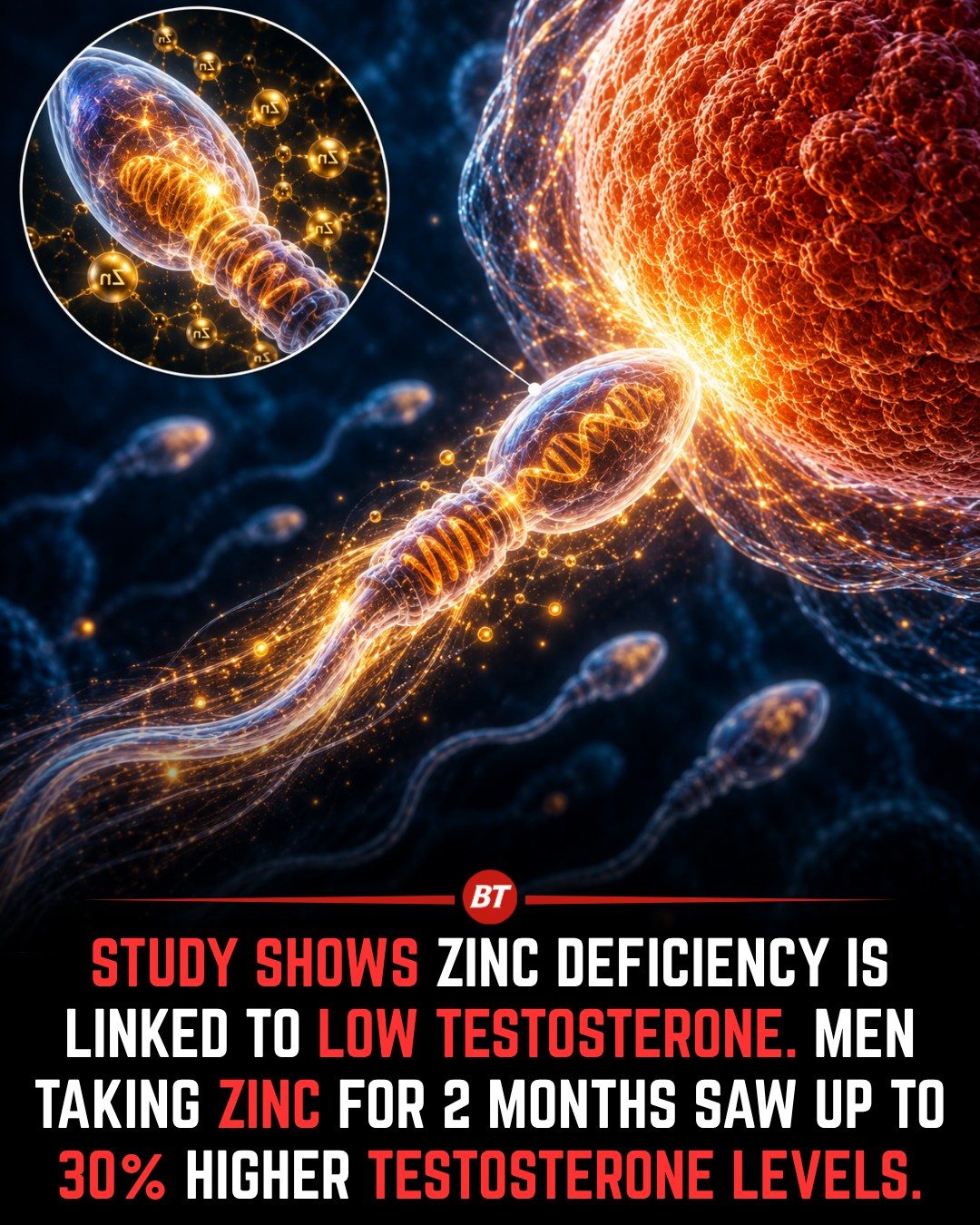
Zinc and Testosterone
Zinc plays a crucial role in maintaining healthy testosterone levels. This essential mineral is involved in various biological processes, including testosterone production, sperm development, immune function, wound healing, and protein synthesis. Understanding the link between zinc and testosterone can help men maintain optimal health and vitality.
Why This Matters
Testosterone is a vital hormone for men, affecting everything from energy levels and muscle maintenance to reproductive health. Zinc deficiency can significantly impact testosterone production, leading to various health issues. Ensuring adequate zinc intake is essential for supporting overall well-being and hormonal balance.
Zinc Deficiency and Testosterone Levels
The Role of Zinc in Testosterone Production
Zinc is an essential mineral that the body cannot produce on its own. It must be obtained through regular consumption of zinc-rich foods or supplements. Zinc deficiency is one of the most common nutritional factors linked to low testosterone levels in men. The body cannot store large amounts of zinc, so consistent intake is necessary to maintain optimal levels.
Scientific Evidence
Research published in prominent journals, including Nutrition, Journal of Exercise Physiology, and American Journal of Clinical Nutrition, has shown a strong correlation between zinc deficiency and low testosterone levels. Studies indicate that men with zinc deficiency often have significantly lower testosterone levels than those with adequate zinc status. Supplementation studies have found that restoring zinc levels in deficient men can lead to increased testosterone production, with some studies reporting improvements of up to 30% or more, depending on the severity of the deficiency.
The Benefits of Adequate Zinc Intake
Overall Health and Well-being
Adequate zinc intake supports not only healthy testosterone production but also overall health and well-being. Zinc is involved in numerous biological processes, including immune function, wound healing, and protein synthesis. Maintaining optimal zinc levels can help prevent zinc deficiency and its associated health issues, such as lowered testosterone levels, weakened immune system, and impaired wound healing.
Natural Sources of Zinc
The best approach to maintaining adequate zinc intake is through a nutrient-rich diet. Foods such as oysters, beef, pumpkin seeds, crab, chicken, beans, and dairy products are among the richest natural sources of zinc. Incorporating these foods into your weekly meals can help ensure you get enough zinc without relying on supplements.
When to Consider Supplements
While a balanced diet is the ideal way to obtain zinc, there are situations where supplements may be necessary. Men with known zinc deficiencies, digestive disorders, or those who follow restrictive diets may benefit from zinc supplements. However, it is essential to consult with a healthcare provider before starting any supplementation regimen. Men who already have adequate zinc intake are unlikely to experience large testosterone increases from taking extra zinc.
Practical Tips for Maintaining Adequate Zinc Intake
Incorporate Zinc-Rich Foods into Your Diet
To maintain adequate zinc intake, focus on incorporating zinc-rich foods into your meals. Here are some practical tips:
- Breakfast: Start your day with a zinc-rich breakfast, such as yogurt with pumpkin seeds or a beef omelette.
- Lunch: Opt for a lunch that includes lean proteins like chicken or fish, along with zinc-rich vegetables and grains.
- Dinner: Prepare dinners with zinc-rich ingredients, such as beef, crab, or beans.
- Snacks: Snack on zinc-rich foods like pumpkin seeds, nuts, or beans.
Consider Zinc Supplements When Necessary
If you have difficulty obtaining enough zinc through your diet or have specific health conditions that affect zinc absorption, consider taking zinc supplements. Consult your healthcare provider to determine the appropriate dosage and type of supplement for your needs. Remember that taking high-dose supplements is not recommended unless advised by a healthcare professional.
Monitor Your Zinc Levels
Regularly monitoring your zinc levels can help ensure you maintain optimal health. Consult with a healthcare provider to discuss testing options and interpret the results. Keeping track of your zinc intake and levels can help you make informed decisions about your diet and supplementation.
Important Takeaways
Zinc is a critical mineral for maintaining healthy testosterone levels and overall well-being. Incorporating zinc-rich foods into your diet and considering supplements when necessary can help support your body's natural testosterone production. By understanding the link between zinc and testosterone, you can take proactive steps to maintain optimal health and vitality.
Conclusion
Zinc plays a vital role in supporting healthy testosterone levels, immune function, and overall well-being. Ensuring adequate zinc intake through a nutrient-rich diet and, when necessary, supplementation, can help men maintain optimal health. Focus on incorporating zinc-rich foods into your meals and consult with a healthcare provider to determine if supplements are necessary. By taking proactive steps to maintain adequate zinc levels, you can support your body's natural testosterone production and overall health.
Watch the Reel
Questions readers ask
How does zinc influence testosterone production in men?
Zinc is a critical component in the process of testosterone production. It helps in the conversion of cholesterol into testosterone, which is a key step in maintaining healthy hormone levels. Additionally, zinc supports the function of enzymes and hormones that regulate testosterone production, ensuring optimal levels for overall health.
What are some symptoms of zinc deficiency that might indicate low testosterone?
Symptoms of zinc deficiency can vary, but some common signs include fatigue, decreased immune function, and reduced libido. These symptoms can also be indicative of low testosterone levels. Other signs of zinc deficiency might include hair loss, poor wound healing, and changes in taste or smell.
Can zinc supplements help boost testosterone levels?
Zinc supplements can be beneficial for men with zinc deficiency, as they can help restore normal testosterone levels. However, for men who already have adequate zinc intake, additional supplements may not significantly increase testosterone levels. It is always best to consult with a healthcare provider before starting any new supplement regimen.
What are the recommended daily intake levels of zinc for men?
The recommended daily intake of zinc for adult men is typically around 11 mg per day. This can be obtained through a balanced diet rich in foods like oysters, red meat, poultry, beans, and nuts. In some cases, zinc supplements may be recommended by a healthcare provider to ensure adequate intake, especially for men with specific health concerns or dietary restrictions.
How does zinc support overall muscle health in men?
Zinc plays a critical role in protein synthesis, which is essential for muscle repair and growth. It also aids in the production of anabolic hormones, including testosterone, which further supports muscle development and maintenance. By ensuring adequate zinc intake, men can support their muscle health and overall physical performance.
Can low zinc levels affect reproductive health in men?
Yes, low zinc levels can significantly impact reproductive health in men. Zinc is vital for sperm development and motility, and deficiencies can lead to decreased sperm count and quality. Additionally, zinc helps maintain healthy hormone levels, including testosterone, which is crucial for reproductive function and overall sexual health.
What are some effective ways to increase testosterone levels through zinc?
Increasing testosterone levels through zinc can be achieved by ensuring an adequate daily intake of this mineral. This can be done through a balanced diet rich in zinc-containing foods or by taking zinc supplements as recommended by a healthcare provider. Regular exercise and maintaining a healthy lifestyle can also support zinc absorption and overall hormonal balance.
Related deep dives
Similar reads based on topic and creator.




Recent articles
Fresh deep dives from the latest Reels we unpacked.




Comments
Be the first to comment.