Nuclear Power for Extreme Environments
Nuclear batteries, microwave-sized power generators developed by Zeno Power, are set to revolutionize energy production in extreme environments. These radioisotope power systems harness the natural decay of radioactive material to generate continuous electricity for over a decade. The technology is particularly suited for locations where solar power is unreliable, such as the Moon, deep sea, and deep space. Zeno Power, an American startup, is at the forefront of this innovation, having recently announced the establishment of the first factory to mass-produce these nuclear batteries. The facility, located at the Vallecitos Nuclear Center in Sunol, California, will produce units designed to keep lunar bases operational during extended periods of darkness.
Why This Matters
The ability to generate reliable power in extreme environments is crucial for various applications, from space exploration to deep-sea research. Traditional power solutions, such as solar panels, are not always feasible in these settings. For example, the lunar night, which lasts for approximately two weeks, makes solar power unreliable. Similarly, deep-sea and deep-space environments present unique challenges that require innovative energy solutions. Nuclear batteries offer a long-term, maintenance-free power source, making them an ideal choice for such demanding environments.
Main Discussion
Under Construction: The Vallecitos Nuclear Center
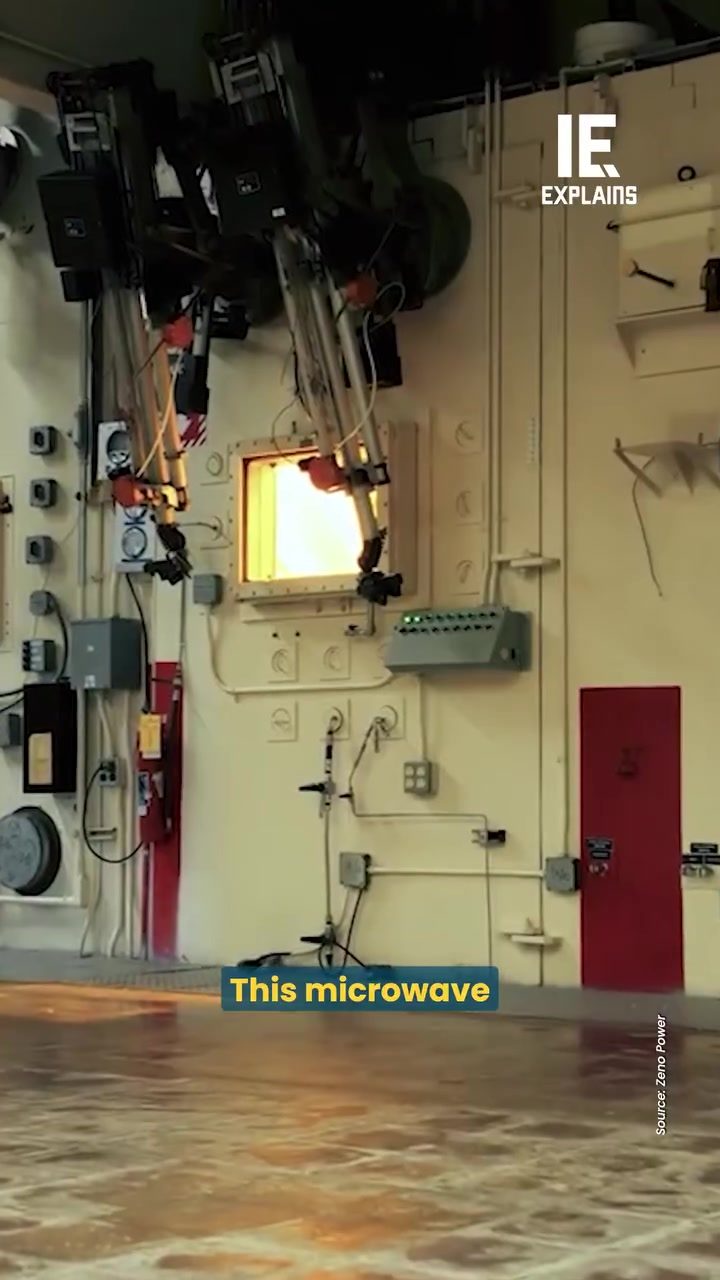
Zeno Power is transforming the Vallecitos Nuclear Center into a state-of-the-art manufacturing facility. The center, located in Sunol, California, features heavily shielded rooms where robotic arms handle radioactive material behind thick lead glass. This setup ensures the safe encapsulation of radioisotopes, such as strontium-90 and americium-241, into batteries that can generate power for over a decade without the need for sunlight, cables, or resupply. This technology is particularly attractive for applications where continuous, reliable power is essential, such as lunar bases, deep-sea installations, and deep-space missions.
The Science Behind Radioisotope Power
Radioisotope power systems convert the natural decay of radioactive material into electricity. Zeno Power uses strontium-90 for terrestrial applications and americium-241 for space missions. These materials undergo radioactive decay, releasing energy that can be harnessed to generate electricity. The process is simple yet effective: the radioactive material emits particles that create an electric current when interacted with a semiconductor.
Applications in Extreme Environments
The primary applications of these nuclear batteries are in environments where conventional power sources fall short. For instance, lunar bases require a reliable power source to survive the long, dark lunar nights. Similarly, deep-sea research and deep-space missions benefit from a continuous, maintenance-free power supply. These environments are often characterized by extreme temperatures, lack of sunlight, and challenging logistics, making nuclear batteries an ideal solution.
Practical Tips
Understanding the Technology
To grasp the potential of radioisotope power systems, it's essential to understand the underlying principles. Radioactive decay is a natural process where unstable isotopes release energy as they transform into more stable forms. This energy can be harnessed to generate electricity, making it a reliable and long-lasting power source.
Safety and Handling
Handling radioactive material requires stringent safety measures. The manufacturing process at the Vallecitos Nuclear Center involves heavily shielded rooms and robotic arms to minimize human exposure to radioactive materials. This ensures that the batteries are produced safely and efficiently, even in high-risk environments.
Future Prospects
With $60 million in Pentagon and NASA contracts, Zeno Power aims to ship its first units in 2027 and ramp up production to hundreds of units per year by 2028. The technology has the potential to revolutionize energy production in extreme environments, offering a reliable, long-lasting power source that can withstand the harshest conditions.
Important Takeaways
- Radioisotope power systems offer a long-term, reliable energy solution for extreme environments, such as the Moon, deep sea, and deep space.
- Zeno Power is leading the development and production of these nuclear batteries, with a groundbreaking facility at the Vallecitos Nuclear Center.
- The technology harnesses the natural decay of radioactive materials to generate electricity, making it independent of sunlight, cables, and resupply.
- The first units are expected to be delivered by 2027, with ramped-up production by 2028, offering a viable alternative to conventional power sources in challenging environments.
Conclusion
Nuclear batteries represent a significant advancement in energy technology, particularly for extreme environments. With Zeno Power at the helm, the development and production of these radioisotope power systems are poised to revolutionize energy production in deep space, the lunar surface, and deep-sea ventures. The technology's ability to provide continuous, reliable power without the need for resupply or maintenance makes it an invaluable asset for future exploration and research. As Zeno Power prepares to mass-produce these units, the potential applications and benefits of this innovative energy solution are vast and exciting.
Watch the Reel
Questions readers ask
What makes Zeno Power's nuclear batteries ideal for the Moon and deep seas?
Zeno Power's nuclear batteries are designed to provide over a decade of continuous power, making them perfect for environments like the Moon and deep seas where solar power is inconsistent due to long periods of darkness or poor weather and stormy conditions.
How do Zeno Power's nuclear batteries generate electricity?
These batteries, also called radioisotope power systems, generate electricity through the natural decay of radioactive material. This process provides a reliable and continuous power source, unlike solar panels, which require sunlight to function.
What is the significance of Zeno Power's new California facility?
Zeno Power's new factory at the Vallecitos Nuclear Center in Sunol, California, is the first of its kind to mass-produce nuclear batteries, enabling more extensive use of this technology in a variety of challenging environments, including the lunar surface and deep oceans.
What are the benefits of using nuclear batteries in space exploration?
Nuclear batteries offer a long-lasting and low-maintenance power solution for space missions, ensuring that equipment and habitats remain operational during long periods of darkness or in locations where solar power is insufficient, such as craters on the Moon or the far side of planetary bodies.
What is the role of radioactive decay in Zeno Power's nuclear batteries?
Radioactive decay is the process by which the radioactive material in the batteries releases energy, which is then converted into electricity. This process provides a stable and constant power supply, unlike other renewable energy sources that depend on environmental conditions.
Why are Zeno Power’s nuclear batteries considered a leap in energy production?
Zeno Power's nuclear batteries represent a significant advancement because they are compact, require almost no maintenance, and can operate continuously for over a decade, making them suitable for remote and extreme environments where traditional power sources fall short.
Recent articles
Fresh deep dives from the latest Reels we unpacked.




Comments
Be the first to comment.