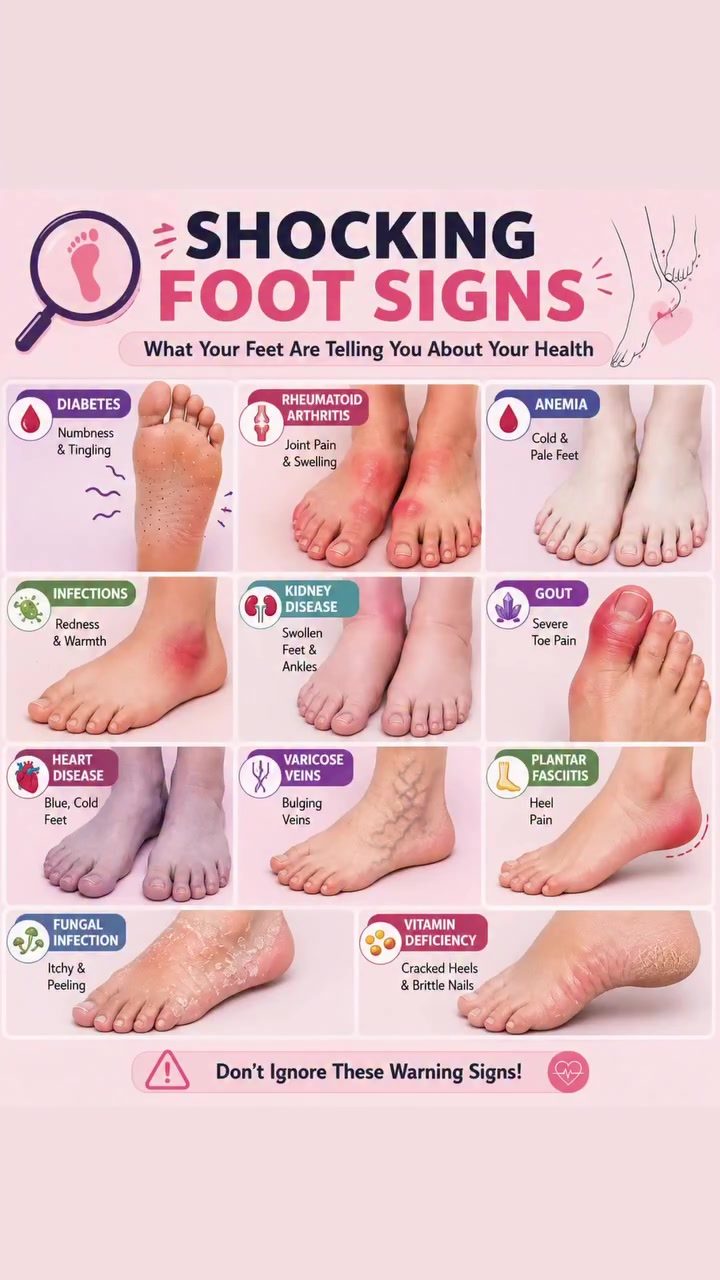
Foot health is one of the most overlooked aspects of overall well-being, yet it can reveal crucial information about underlying health conditions.
Context
Feet are the foundation of our body, and any discomfort or unusual changes can be an early warning sign of more serious health issues. Paying attention to the state of your feet can help detect potential problems early, allowing for timely intervention and treatment. This guide highlights key warning signs to look out for and their associated health conditions.
Warning Signs
Numbness and Tingling
Numbness and tingling in the feet can indicate several conditions. One of the most common is diabetes. High blood sugar levels can damage the nerves, leading to a condition called diabetic neuropathy. This can cause numbness, tingling, and even pain in the feet. If you experience these symptoms, it is essential to consult a healthcare provider for further evaluation.
Swelling
Swelling in the feet and ankles can be a sign of various health issues. For instance, kidney disease can cause fluid retention, leading to swollen feet. Additionally, heart disease can also result in swollen feet due to poor circulation and fluid buildup. If you notice persistent swelling, it is crucial to seek medical advice to determine the underlying cause.
Cold and Pale Feet
Cold and pale feet can be indicative of poor circulation, which is often associated with heart disease or anemia. In the case of anemia, the body lacks sufficient red blood cells to carry oxygen, leading to cold, pale extremities. If you frequently experience cold and pale feet, it is important to discuss this with a healthcare professional.
Redness and Warmth
Redness and warmth in the feet can signal an infection. Infections can be bacterial, fungal, or viral and may require immediate medical attention to prevent complications. Paying close attention to any changes in the color and temperature of your feet can help in early detection and treatment of infections.
Severe Toe Pain
Severe pain in the toes can be a sign of gout, a form of arthritis caused by excessive uric acid in the body. Gout often affects the big toe and can cause intense pain, swelling, and redness. If you experience sudden, severe toe pain, consult a healthcare provider for an accurate diagnosis and appropriate treatment.
Heel Pain
Persistent heel pain can be a symptom of plantar fasciitis, a condition where the ligament supporting the arch of the foot becomes inflamed. This condition is common among athletes and individuals who spend a lot of time on their feet. Treatment options include rest, ice, compression, and elevation (RICE), along with physical therapy and orthotic devices.
Cracked Heels and Brittle Nails
Cracked heels and brittle nails can be indications of vitamin deficiency, particularly a lack of vitamins A, B, and E, as well as certain minerals. These deficiencies can affect the health of your skin and nails, leading to dryness, cracking, and brittleness. Maintaining a balanced diet rich in essential vitamins and minerals can help alleviate these symptoms.
Bulging Veins
Bulging veins, often visible on the top of the feet, can be a sign of varicose veins. This condition occurs when the veins become weakened and enlarged, often due to poor circulation. While varicose veins are usually not harmful, they can cause discomfort and may require medical intervention in severe cases.
Why This Matters
Understanding the warning signs associated with various health conditions is crucial for maintaining overall well-being. Early detection and intervention can prevent the progression of these conditions, leading to better health outcomes. Paying attention to your feet and any changes in their appearance or sensation can provide valuable insights into your overall health.
Practical Tips
Regular Foot Exams
Regularly inspect your feet for any changes in appearance, sensation, or discomfort. Look for signs of swelling, redness, numbness, and pain. If you notice any unusual symptoms, consult a healthcare provider for a thorough evaluation.
Maintain Good Foot Hygiene
Proper foot hygiene is essential for preventing infections and maintaining overall foot health. Wash your feet daily with warm water and mild soap, and dry them thoroughly, especially between the toes. Moisturize your feet to prevent dryness and cracking.
Wear Proper Footwear
Choose shoes that fit well and provide adequate support. Avoid wearing high heels or tight shoes for extended periods, as they can cause discomfort and lead to various foot problems. Opt for comfortable, supportive footwear that allows your feet to breathe.
Manage Underlying Conditions
If you have underlying conditions such as diabetes, heart disease, or anemia, work closely with your healthcare provider to manage these conditions effectively. Regular check-ups, proper medication, and a healthy lifestyle can help prevent foot complications associated with these conditions.
Stay Active
Regular physical activity promotes good circulation and overall foot health. Engage in exercises that are gentle on your feet, such as walking, swimming, or cycling. Gradually increase your activity levels to improve your foot health and overall well-being.
Important Takeaways
Ignoring the warning signs your feet display can lead to serious health complications. Be proactive in monitoring your foot health and seeking medical attention when necessary. Taking care of your feet is an essential part of maintaining overall health and well-being.
Conclusion
Your feet serve as a crucial indicator of your overall health. Paying attention to their condition can help detect underlying health issues early, allowing for timely intervention and treatment. Regular foot exams, maintaining good foot hygiene, wearing proper footwear, managing underlying conditions, and staying active are all essential steps in maintaining good foot health. By taking these steps, you can safeguard your well-being and enjoy a healthier, more active lifestyle.
Watch the Reel
Questions readers ask
Why is it important to regularly check my feet for unusual signs?
Regularly checking your feet can help you spot early warning signs of various health issues. Many serious conditions, such as diabetes, heart disease, and infections, can manifest symptoms in the feet before other parts of the body, allowing for earlier intervention and treatment.
What does it mean if my feet are always cold?
Chronically cold feet can be a sign of poor circulation, which may indicate cardiovascular issues or Raynaud's disease. It can also be linked to anemia or thyroid problems. If your feet are consistently cold, it's a good idea to consult with a healthcare provider to rule out any underlying conditions.
Should I be concerned about swollen feet?
Swollen feet can be a sign of several health issues, including heart disease, kidney disease, or deep vein thrombosis. It can also be a result of standing for long periods or a side effect of certain medications. If the swelling is persistent or accompanied by other symptoms like shortness of breath or chest pain, seek medical attention immediately.
What might cause redness in my feet?
Redness in the feet can indicate a variety of conditions, from minor issues like athlete's foot or irritation from tight shoes to more serious problems such as cellulitis or gout. If the redness is accompanied by pain, warmth, or swelling, it's important to consult a healthcare provider for proper evaluation and treatment.
Can foot pain be a sign of something serious?
Yes, foot pain can be a symptom of several serious health issues. For instance, it can indicate nerve damage from diabetes, arthritis, or even heart disease in some cases. If you experience persistent or severe foot pain, it's important to consult a healthcare professional for a thorough examination and appropriate treatment.
How can cracked heels indicate a health issue?
Cracked heels can be a sign of vitamin or mineral deficiencies, such as vitamin D, zinc, or omega-3. They can also indicate skin conditions like eczema or psoriasis. While cracked heels are often due to dry skin, if they are severe or accompanied by other symptoms, it may be a good idea to visit a healthcare provider.
What should I do if I notice numbness or tingling in my feet?
Numbness or tingling in the feet can be a sign of nerve damage, often related to diabetes. It can also indicate other conditions, such as peripheral neuropathy, spinal issues, or vitamin deficiencies. If you experience these symptoms, it's important to consult a healthcare professional for a proper evaluation and to rule out any underlying health issues.
Recent articles
Fresh deep dives from the latest Reels we unpacked.




Comments
Be the first to comment.