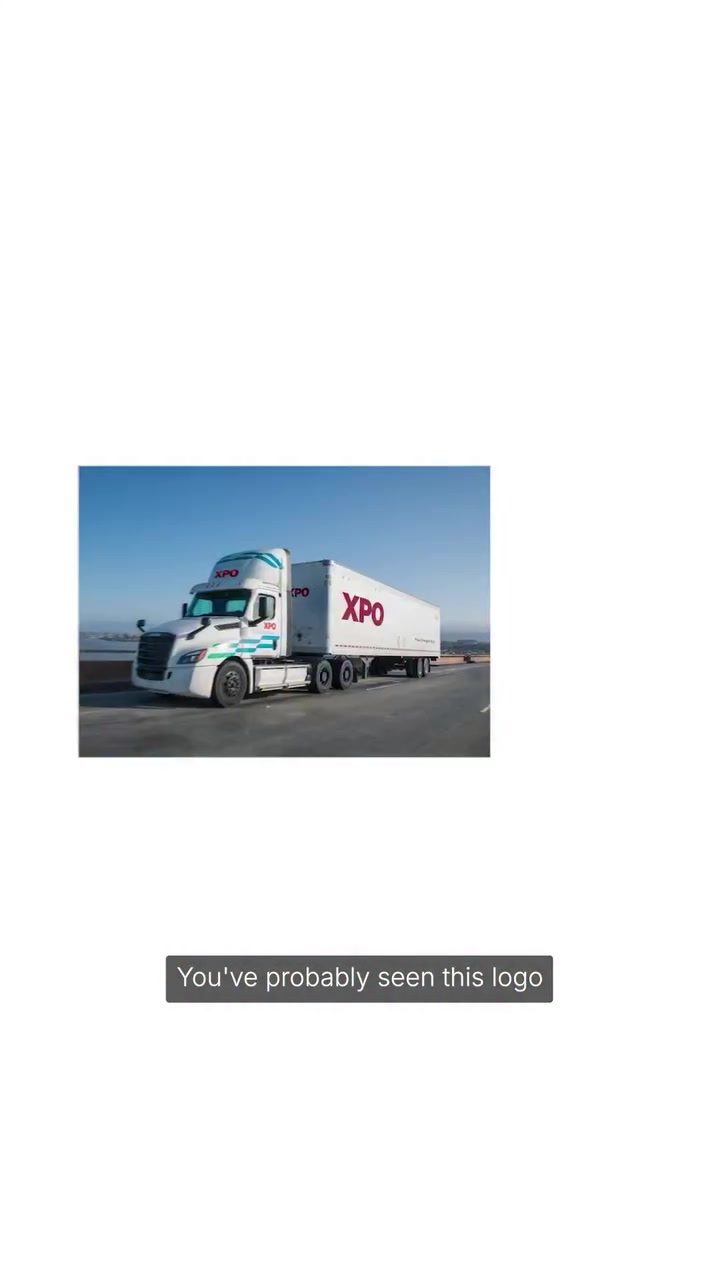
Less-Than-Truckload Shipping: The Power of Consolidation in the Logistics Industry
Less-than-truckload (LTL) shipping is a critical but often overlooked component of the supply chain. This sector deals with the transportation of relatively small freight that does not require a full truckload. Despite its lack of glamour, LTL shipping has been a cornerstone of modern dealmaking, generating significant wealth for those who understand its intricacies. At the heart of this success story lies XPO Logistics, a company that has mastered the art of consolidating fragmented markets to dominate the industry.
Why This Matters
The logistics industry, particularly LTL shipping, is fragmented. Thousands of regional carriers move goods through complex networks, each too small to dominate individually but collectively essential to global supply chains. This fragmentation creates both challenges and opportunities. Whoever can consolidate these fragmented networks gains control over pricing power, density, and scale. This is precisely what Brad Jacobs, the mastermind behind XPO Logistics, has done.
The XPO Logistics Story
The Rise of XPO
XPO Logistics is a freight transportation powerhouse, specializing in less-than-truckload shipping. The company moves heavy goods for industries all over the globe, bringing in over $8 billion a year in revenue and valued at over $25 billion. This remarkable growth wasn't luck; it was the result of a well-executed strategy by Brad Jacobs. In just about a decade, Jacobs transformed an obscure logistics shell into a dominant player in the industry.
The Three-Step Strategy
Jacobs' approach to building XPO involves a simple yet effective three-step strategy:
- Spot a fragmented industry: Look for massive, essential markets like trucking, where there are thousands of small players but no clear dominant giant.
- Acquire and roll them up: Raise capital and go on a buying spree, acquiring dozens of smaller competitors for lower multiples using other people's money. This gives instant scale.
- Integrate and upgrade: Centralize back-office functions, add technology the old family-owned operators never had, and reinvest the free cash flow into the business.
This strategy has proven incredibly successful. Jacobs first applied this approach in the 1980s with United Waste, which he sold for $2.2 billion in 1997. He then built United Rentals into the largest equipment rental company in the world, valued at $20 billion. Currently, he is applying the same strategy with a building products company called QXO.
The Art of Consolidation
Jacobs' genius lies in pattern recognition. He hunts for massive, essential industries crowded with small family-owned operators and no clear giant. These markets are inefficient by default, which creates opportunities for consolidation. By raising substantial capital and acquiring competitors at lower multiples than his platform commands, Jacobs manufactures instant scale and immediate arbitrage between what he pays and what the combined entity is worth.
Beyond the Acquisition
The real value creation happens after the deal closes. Jacobs centralizes back-office functions, installs technology the legacy operators never had, and expands margins through operational discipline. The freed-up cash funds the next acquisition, compounding the cycle. This disciplined approach to consolidation and elite execution has led to more than 500 acquisitions across Jacobs' career.
Key Takeaways
- Identify Fragmented Markets: Look for industries with thousands of small players but no clear dominant giant.
- Leverage Capital: Raise substantial capital to acquire smaller competitors at lower multiples.
- Integrate and Innovate: Centralize operations, add technology, and reinvest free cash flow to fund further acquisitions.
Practical Tips
- Due Diligence: Conduct thorough market research to identify fragmented industries with high potential for consolidation.
- Financial Strategy: Develop a robust financial strategy to raise capital and manage acquisitions efficiently.
- Technological Integration: Invest in technology to streamline operations and enhance efficiency.
- Continuous Improvement: Regularly review and optimize processes to ensure sustained growth and competitive advantage.
Important Takeaways
The logistics industry, particularly LTL shipping, is ripe for consolidation. Companies like XPO Logistics have demonstrated the power of acquiring and integrating smaller competitors to dominate the market. By following a disciplined strategy of spotting fragmented industries, acquiring competitors, and integrating operations, businesses can achieve significant scale and profitability.
Conclusion
Less-than-truckload shipping may not be the most glamorous sector, but it is undeniably essential to global supply chains. Companies that understand and leverage the power of consolidation in this fragmented market can achieve remarkable success. XPO Logistics stands as a testament to this strategy, proving that with the right approach, even the most unassuming corners of the economy can yield significant fortunes.
Watch the Reel
Questions readers ask
What is less-than-truckload (LTL) shipping and why is it important?
LTL shipping involves transporting small freight that doesn't fill an entire truck. It's crucial for efficient supply chain management, allowing businesses to ship smaller quantities cost-effectively and reducing the environmental impact of transportation. LTL shipping enables businesses to move goods more frequently, which can lead to improved inventory management and faster delivery times.
How has XPO Logistics transformed the LTL shipping industry?
XPO Logistics has revolutionized LTL shipping by consolidating fragmented markets. This strategy, pioneered by CEO Brad Jacobs, has allowed XPO to control pricing, achieve higher density in logistics operations, and manage scale effectively. By doing so, XPO has become a dominant player in the global freight market, setting new standards for efficiency and reliability.
What are the benefits of consolidation in the logistics industry?
Consolidation in the logistics industry, as demonstrated by XPO, leads to several benefits. It allows for better control over pricing, as consolidated entities can negotiate more favorable rates with suppliers and carriers. Additionally, consolidation achieves higher density in logistics operations, reducing empty miles and improving overall efficiency. Furthermore, it enables better scale management, allowing companies to handle larger volumes of freight more effectively.
How does XPO Logistics manage to control pricing in the LTL shipping market?
XPO Logistics controls pricing in the LTL shipping market through its consolidation strategy. By acquiring and integrating smaller carriers, XPO increases its market share and gains leverage in negotiations with suppliers and customers. This allows XPO to set competitive rates while maintaining profitability. Additionally, XPO's higher density logistics operations reduce costs, further enhancing its pricing control.
What role has Brad Jacobs played in XPO Logistics' success?
Brad Jacobs, as the CEO of XPO Logistics, has been instrumental in the company's success. Under his leadership, XPO has pursued an aggressive consolidation strategy, acquiring numerous smaller carriers to dominate the LTL shipping market. Jacobs' vision and strategic direction have enabled XPO to achieve higher density, control pricing, and manage scale effectively, transforming the company into a global freight powerhouse.
What challenges does XPO Logistics face in maintaining its position in the LTL shipping market?
Despite its success, XPO Logistics faces several challenges. These include competition from other large logistics providers, regulatory hurdles, and the need to continually invest in technology and infrastructure to maintain operational efficiency. Additionally, XPO must navigate economic fluctuations and potential disruptions in the supply chain, such as those caused by global events or industry shifts.
Related deep dives
Similar reads based on topic and creator.

Recent articles
Fresh deep dives from the latest Reels we unpacked.




Comments
Be the first to comment.