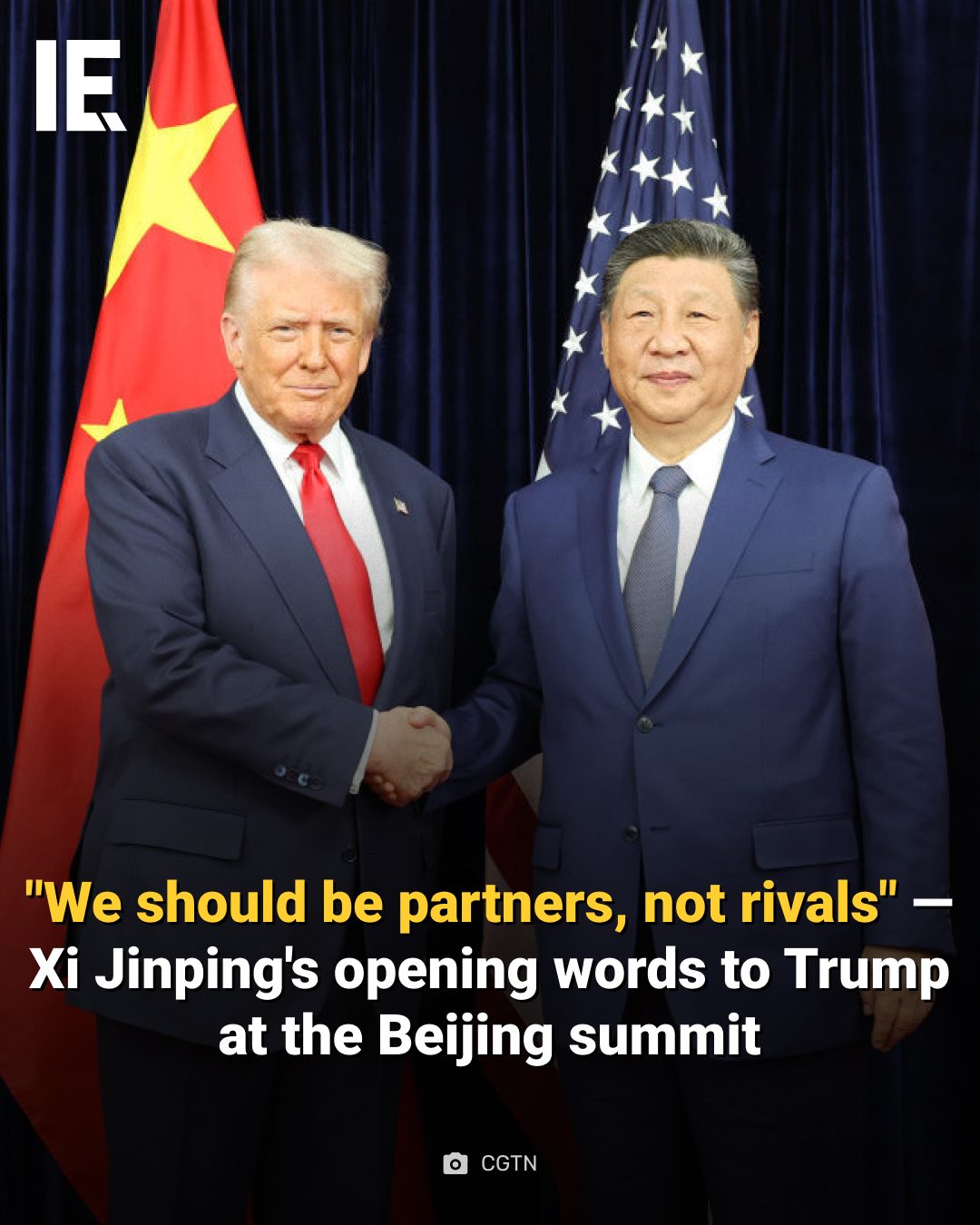
Diplomatic Ties between the United States and China: The 2017 Beijing Summit
The Great Hall of the People in Beijing was the stage for a pivotal moment in U.S.-China relations. Chinese President Xi Jinping opened the summit with Donald Trump with a clear and assertive call for a new era in diplomatic relations. Xi's opening words set the tone for the discussions, emphasizing the importance of partnership over rivalry. This summit, marked by Xi's vision for a future where the two countries help each other succeed and prosper, underscored the potential for a historic shift in global politics.
Why This Matters
The summit between Xi Jinping and Donald Trump was more than just a diplomatic formality. It was a critical juncture in the longstanding relationship between the United States and China. The "Thucydides Trap," a concept coined by political scientist Graham Allison, is the historical tendency for a rising power to challenge an established one, often leading to conflict. Xi's call to overcome this trap highlighted the strategic importance of the summit. By forging a path of cooperation, the two nations could avoid the pitfalls that have led to conflict in the past. This summit was not just about current issues but also about setting the stage for future bilateral ties, with 2026 identified as a potential "historic, landmark year."
The Context and Scope of the Summit
A New Era in US-China Relations
Xi Jinping's opening remarks were a departure from the usual diplomatic rhetoric. Instead of focusing on differences, he emphasized the common interests between the U.S. and China. This shift in perspective was a significant move towards fostering a more collaborative relationship. Xi's vision for 2026 as a landmark year signified his belief in the long-term potential for US-China cooperation. This vision was not just about short-term gains but about laying the groundwork for a future where both countries could thrive together.
The Thucydides Trap: Avoiding Conflict
The Thucydides Trap, named after the ancient Greek historian, refers to the historical pattern where a rising power challenges the established one, leading to conflict. Xi acknowledged this trap but urged both nations to find a way to avoid it. By emphasizing the need for partnership and mutual respect, Xi laid the groundwork for a more harmonious relationship. This approach was a stark contrast to the traditional view of international relations, where competition often overshadows cooperation.
Trump's Response and the High-Level Delegation
Trump responded to Xi's call by describing the relationship between the U.S. and China as "better than ever before." This optimistic view was bolstered by the high-level CEO delegation that Trump brought to Beijing. The delegation, which included some of the most influential business leaders in the U.S., was a gesture of respect towards China and Xi. This move underscored the importance of economic ties in fostering a stronger diplomatic relationship.
Practical Tips for Understanding Diplomatic Relations
Understanding the nuances of diplomatic relations between major powers like the U.S. and China can be challenging. Here are some practical tips to help navigate the complexities:
Focus on Key Moments
Key moments, such as the 2017 Beijing Summit, often set the tone for future relations. Paying attention to the opening remarks and the broader context can provide valuable insights into the direction of diplomatic efforts.
Look Beyond Immediate Issues
Diplomatic relations are not just about immediate issues; they are about long-term strategic goals. Xi's vision for 2026 as a landmark year is a prime example. Understanding the long-term vision of key players can help in anticipating future developments.
Understand the Thucydides Trap
The Thucydides Trap is a critical concept in understanding the dynamics of international relations. Recognizing the historical patterns and efforts to avoid them can shed light on the motivations behind diplomatic moves.
Economic Ties Matter
Economic ties play a crucial role in shaping diplomatic relations. The high-level delegation brought by Trump to Beijing underscored the importance of economic cooperation in fostering a stronger diplomatic relationship.
Important Takeaways
The Power of Partnership
Partnership over rivalry is a key takeaway from the 2017 Beijing Summit. Xi Jinping's call for cooperation and mutual success highlighted the potential benefits of a collaborative approach in international relations.
The Importance of Long-Term Vision
Long-term visions, such as Xi's vision for 2026, are critical in shaping the future of diplomatic relations. Understanding these visions can provide valuable insights into the direction of bilateral ties.
The Role of Economic Ties
Economic ties are a cornerstone of diplomatic relations. The high-level delegation brought by Trump to Beijing is a testament to the importance of economic cooperation in fostering a stronger diplomatic relationship.
Conclusion
The 2017 Beijing Summit between Xi Jinping and Donald Trump was a pivotal moment in U.S.-China relations. Xi's call for a new era of partnership and cooperation, along with Trump's optimistic view of the relationship, set the stage for a future where both countries could thrive together. By understanding the key moments, looking beyond immediate issues, and recognizing the importance of economic ties, we can gain a deeper appreciation of the complexities and opportunities in diplomatic relations. This summit was not just about the present but about laying the groundwork for a future where cooperation and mutual success could define the relationship between the U.S. and China.
Watch the Reel
Questions readers ask
What was the main goal of Xi Jinping's speech at the 2017 Beijing Summit?
Xi Jinping's primary aim was to advocate for a new era of partnership between the United States and China, focusing on cooperation and mutual success. He sought to move away from rivalry and prevent historic cycles of conflict.
What made the 2017 Beijing Summit significant in global politics?
The summit was significant because it marked a potential turning point in U.S.-China relations. The leaders of both nations highlighted the importance of partnership, setting the stage for future bilateral ties that could reshape global dynamics.
What was the key message of Xi Jinping's call for a new era of partnership?
Xi Jinping's key message was that both the United States and China should work together to achieve mutual success and prosperity. He emphasized that cooperation would benefit both countries and help prevent conflicts that have historically plagued their relationship.
What specific steps did Xi Jinping propose during his meeting with Donald Trump?
While specific policy details were not mentioned, Xi Jinping's proposal centered around fostering a cooperative environment. This included acknowledging the need for both countries to support each other's growth and success, moving beyond competition.
How did Xi Jinping's vision for U.S.-China relations differ from traditional approaches?
Xi Jinping's vision differed by prioritizing mutual growth and success over traditional competitive approaches. He aimed to establish a partnership that could prevent the conflicts that have often characterized the relationship between the two nations.
What was the reaction to Xi Jinping's call for a new era of partnership?
The reaction to Xi Jinping's call was significant, as it marked a shift in the diplomatic approach between two of the world's most influential nations. It highlighted a potential new chapter in U.S.-China relations, although the actual implementation and outcomes would depend on future actions and policies.
Recent articles
Fresh deep dives from the latest Reels we unpacked.




Comments
Be the first to comment.