Wound Dressings
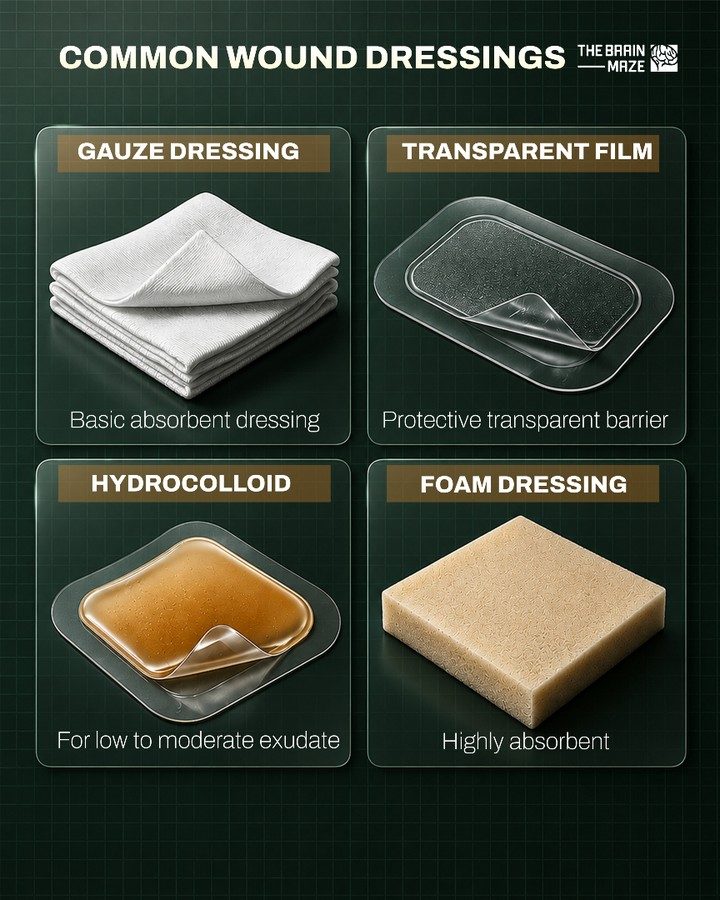
Wound dressings are essential for protecting injuries and promoting healing. Each type serves a unique purpose, from basic absorbent materials to highly specialized dressings. Understanding the different types of wound dressings can help ensure that you choose the right one for your needs.
Why This Matters
Proper wound care is crucial for preventing infection and speeding up the healing process. The right dressing can make a significant difference in how well and how quickly a wound heals. Whether you're dealing with a minor cut or a more serious injury, selecting the appropriate dressing can enhance comfort and recovery.
Types of Wound Dressings
Gauze Dressings
Gauze dressings are among the most commonly used and simplest types of wound dressings. They are made from absorbent materials and are typically used for basic wound care. Gauze dressings are ideal for minor cuts, scrapes, and abrasions. They are easy to apply, and their absorbent nature helps to absorb excess fluid from the wound, keeping the area clean and dry.
Gauze dressings come in various sizes and can be cut to fit the shape and size of the wound. They are often secured with adhesive tape or medical bandages, ensuring that the dressing stays in place. For minor wounds, gauze dressings are a cost-effective and reliable choice.
Transparent Film Dressings
Transparent film dressings provide a protective barrier while allowing for continuous observation of the wound. These dressing are clear, making it easy to monitor the healing process without removing the dressing. Transparent film dressings are particularly useful for wounds that do not have heavy exudate (fluid drainage).
One of the key benefits of transparent film dressings is their ability to maintain a moist environment, which promotes healing. They are also waterproof, allowing for showering or bathing without removing the dressing. These dressings are commonly used for superficial wounds and surgical incisions.
Hydrocolloid Dressings
Hydrocolloid dressings are designed to maintain a moist environment, which is crucial for the healing of low to moderate exudate wounds. These dressings contain hydrocolloids, which are gel-forming agents that absorb fluid from the wound and create a moist wound bed. This environment promotes faster healing and reduces the risk of scarring.
Hydrocolloid dressings are self-adhesive and conform to the shape of the wound, providing a comfortable and secure fit. They are often used for wounds such as pressure ulcers, diabetic ulcers, and minor burns. These dressings are also helpful in managing pain and reducing the need for frequent dressing changes.
Foam Dressings
Foam dressings are highly absorbent, making them ideal for wounds with heavier drainage. These dressings are designed to absorb excess fluid while maintaining a moist wound environment. They are particularly useful for wounds that produce a significant amount of exudate, such as venous ulcers, arterial ulcers, and surgical wounds.
Foam dressings are available in various thicknesses and sizes, allowing for customization based on the wound's requirements. They are often used in combination with secondary dressings to secure the foam in place. The absorbent properties of foam dressings help to keep the wound clean and promote healing by reducing the risk of infection.
Practical Tips
When choosing a wound dressing, consider the type and severity of the wound, as well as the amount of exudate. Here are some practical tips to help you select the right dressing:
- Assess the Wound: Determine the type and size of the wound. Consider whether the wound is superficial or deep, and whether it produces a lot of exudate.
- Choose the Right Dressing: Select a dressing that matches the wound's needs. For minor cuts and scrapes, a gauze dressing may be sufficient. For wounds that require a barrier, transparent film dressings are a good choice. For low to moderate exudate, hydrocolloid dressings can promote faster healing. For heavier drainage, foam dressings are ideal.
- Follow Instructions: Always follow the manufacturer's instructions for applying and changing the dressing. Proper application and care can enhance the effectiveness of the dressing and promote faster healing.
- Monitor the Wound: Regularly check the wound for signs of infection, such as increased pain, redness, swelling, or discharge. If you notice any of these signs, seek medical attention.
Important Takeaways
Proper wound care is essential for preventing infection and promoting healing. Using the right type of dressing can make a significant difference in the healing process. Here are the key points to remember:
- Gauze dressings are simple, absorbent materials ideal for basic wound care.
- Transparent film dressings provide a protective barrier and allow for continuous observation of the wound.
- Hydrocolloid dressings maintain a moist environment, promoting faster healing for low to moderate exudate wounds.
- Foam dressings are highly absorbent and ideal for wounds with heavier drainage, providing comfort and protection.
Conclusion
Wound dressings play a vital role in protecting injuries and supporting the healing process. Understanding the different types of dressings and their unique properties can help you choose the right one for your needs. Whether you're dealing with a minor cut or a more serious injury, selecting the appropriate dressing can enhance comfort, reduce the risk of infection, and promote faster healing.
Watch the Reel
Questions readers ask
What are the main types of wound dressings available?
The main types of wound dressings include gauze, hydrocolloid, foam, transparent film, and alginate dressings. Each type is designed for specific wound conditions, such as the amount of exudate (fluid) produced or the location of the wound.
Which wound dressing is best for minor cuts and scrapes?
For minor cuts and scrapes, gauze dressings are often the best choice. They are absorbent, breathable, and can be easily cut to fit the size of the wound. Gauze dressings also help to keep the wound clean and prevent infection.
What are the benefits of using a hydrocolloid dressing?
Hydrocolloid dressings are beneficial for low to moderately exudating wounds. They create a moist environment that promotes healing and can be left in place for several days, reducing the need for frequent changes. Additionally, they provide a protective barrier against bacteria.
How do foam dressings aid in the wound healing process?
Foam dressings are ideal for wounds with moderate to high exudate. They absorb excess fluid while maintaining a moist environment, which is crucial for healing. Foam dressings also provide cushioning and protection, making them suitable for wounds on pressure points or joints.
When should I use a transparent film dressing?
Transparent film dressings are best for wounds with low exudate, such as skin tears or IV sites. They provide a protective barrier against bacteria and reduce the risk of infection. These dressings are also useful for securing other dressings in place or for protecting skin grafts.
How can I determine the best wound dressing for my needs?
To choose the best wound dressing, consider the type and severity of the wound, the amount of exudate, and the location of the wound. Consult a healthcare provider for personalized advice, especially for complex or non-healing wounds.
What are alginate dressings and when are they typically used?
Alginate dressings are highly absorbent and are typically used for wounds with heavy exudate, such as pressure ulcers or venous leg ulcers. They form a gel when in contact with wound fluid, which helps maintain a moist environment and promotes healing. Alginate dressings are usually covered with a secondary dressing to secure them in place.
Recent articles
Fresh deep dives from the latest Reels we unpacked.




Comments
Be the first to comment.