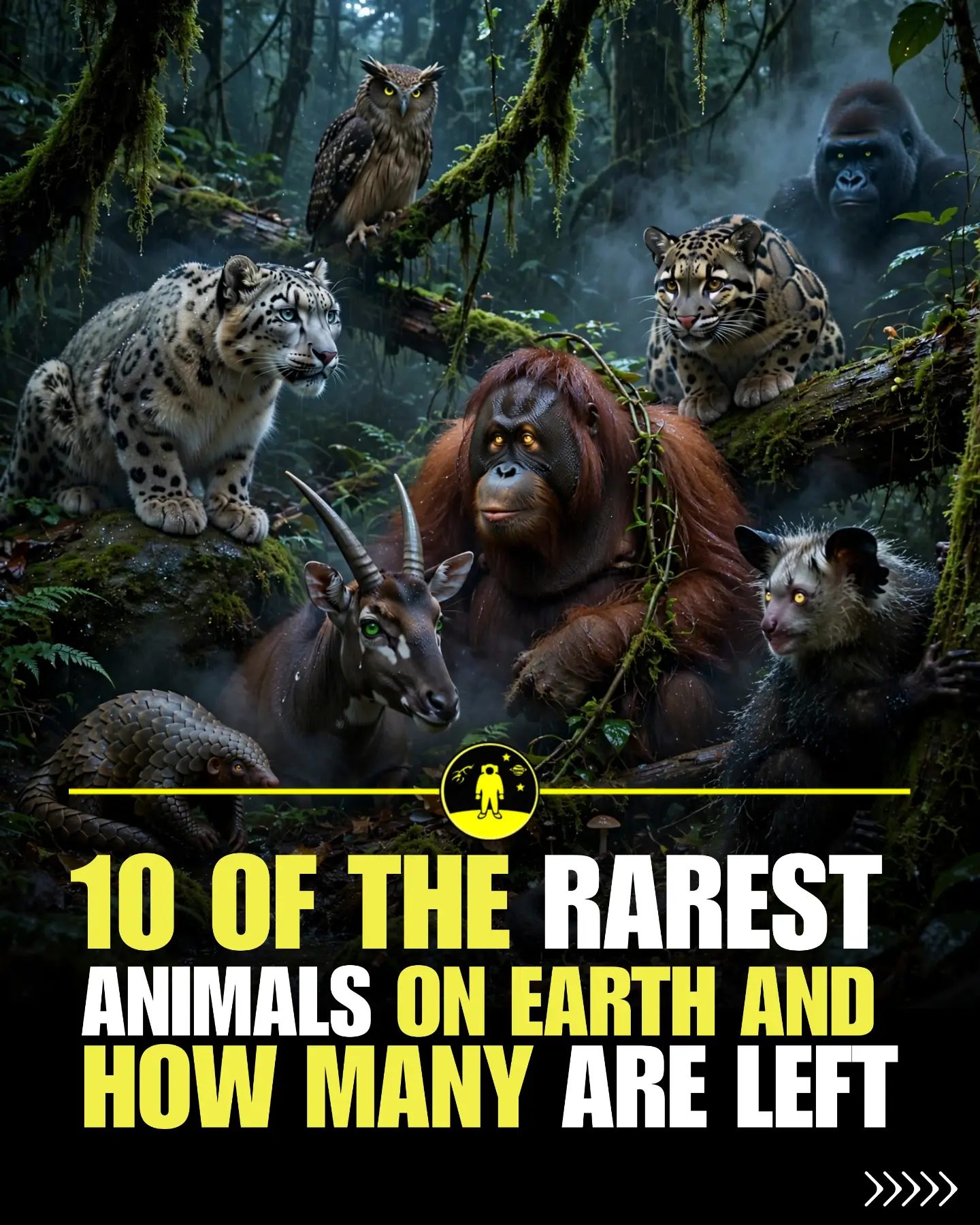
Rare Animals: A Look at the World's Most Endangered Species
It's estimated that around 30,000 animal species are currently threatened with extinction. This alarming figure highlights the urgent need for conservation efforts. The following compilation showcases some of the world's rarest animals, where remaining populations may be counted in the dozens or even fewer.
Why This Matters
Understanding the rarity and plight of these animals is crucial for several reasons. Each species plays a unique role in its ecosystem, and their loss can have cascading effects on the environment. Moreover, their scarcity underscores the importance of conservation efforts and the need for continued scientific research. By raising awareness about these animals, we can foster a greater appreciation for biodiversity and inspire action to protect these incredible creatures.
The World's Rarest Animals
Cross River Gorillas
The Cross River gorilla is one of the most critically endangered subspecies of gorillas. Estimates suggest that only around 250 to 300 individuals remain in the wild, confined to a small region along the border between Nigeria and Cameroon. These gorillas face numerous threats, including habitat loss, poaching, and disease.
Hainan Gibbons
The Hainan gibbon is another critically endangered species, with only about 35 individuals left in the wild. This primate is endemic to Hainan Island, China, and is the world’s rarest gibbon species. The primary threats to the Hainan gibbon include habitat destruction and fragmentation due to human activities such as logging and agriculture.
Gobi Bears
The Gobi bear, also known as the Mazaalai bear, is one of the rarest bears on Earth. With a population estimated to be around 30 to 40 individuals, it is found in the Gobi Desert of Mongolia. These bears face severe threats from habitat loss, climate change, and human-wildlife conflict. Conservation efforts are underway to protect their habitat and reduce these threats.
Sumatran Rhinoceros
The Sumatran rhinoceros is one of the world's most endangered mammals, with only a few dozen believed to survive in isolated populations. Found in Southeast Asia, this species faces numerous threats, including habitat loss, poaching for their horns, and human-wildlife conflict. Conservation efforts are focused on protecting their habitats and increasing their numbers through captive breeding programs.
Amur Leopards
The Amur leopard, also known as the Far Eastern leopard, is one of the world's most endangered big cats. Thanks to conservation efforts, their population has shown encouraging signs of recovery, increasing from around 30 individuals in the 1990s to about 90 today. However, they remain vulnerable to threats such as poaching and habitat loss.
Vaquita
The vaquita, or Gulf of California porpoise, is the world's rarest marine mammal. With only a tiny population surviving in Mexico's Gulf of California, the vaquita faces an imminent risk of extinction. The primary threat to the vaquita is bycatch in gillnets set for the totoaba, a critically endangered fish. Conservation efforts are underway to eliminate bycatch and protect the remaining vaquitas.
Javan Rhinoceros
The Javan rhinoceros is one of the world's most endangered large mammals, with a single vulnerable population surviving in Java, Indonesia. The species was thought to be extinct in the early 20th century but was rediscovered in the 1930s. Today, there are about 70 individuals left.
Northern White Rhinoceros
The northern white rhinoceros is on the brink of extinction, with only two females remaining in captivity. Both are unable to reproduce naturally, and scientists are exploring advanced reproductive technologies to save the subspecies. The northern white rhino was once found in several African countries but became extinct in the wild due to poaching.
Saola
The saola, also known as the Asian unicorn, is one of the world's most mysterious and endangered mammals. Discovered in 1992, the saola is so rarely seen that scientists cannot confidently determine its true population. This large mammal is found in the forests of Vietnam and Laos and is threatened by hunting and habitat loss.
Hirola
The hirola, also known as the Hunter's hartebeest, is a critically endangered antelope found near the Kenya-Somalia border. With only a few hundred individuals remaining, the hirola faces numerous threats, including habitat loss, poaching, and competition with livestock. Conservation efforts are underway to protect their habitat and increase their numbers.
Practical Tips for Supporting Rare Animal Conservation
Raising awareness and supporting conservation efforts for rare animals is essential. Here are some practical tips for making a difference:
Supporting Conservation Organizations
Many organizations work tirelessly to protect endangered species. Consider donating or volunteering with reputable conservation groups focused on protecting rare animals. Your support can go a long way in funding crucial research, habitat protection, and anti-poaching efforts.
Advocating for Policy Change
Advocating for policies that protect endangered species and their habitats is vital. Contact local and national policymakers to advocate for stricter wildlife protection laws, habitat conservation, and enforcement of anti-poaching measures.
Promoting Sustainable Practices
Support sustainable practices that reduce the impact on wildlife and their habitats. This includes choosing eco-friendly products, reducing waste, and supporting sustainable agriculture. Small changes in our daily lives can have a significant impact on the environment and the survival of rare animals.
Raising Awareness
Share information about endangered species and the importance of conservation with friends, family, and your community. Use social media, blogs, and other platforms to spread awareness and encourage others to take action. Increasing public awareness can drive support for conservation efforts and inspire more people to get involved.
Important Takeaways
The plight of rare animals highlights the urgent need for conservation efforts and scientific research. Each species plays a crucial role in its ecosystem, and their loss can have far-reaching consequences. By supporting conservation organizations, advocating for policy change, promoting sustainable practices, and raising awareness, we can help protect these incredible creatures and preserve biodiversity for future generations.
Conclusion
The world's rarest animals face numerous threats, and their survival is at stake. From the Cross River gorilla to the vaquita, each of these species is a testament to the richness and diversity of life on Earth. Through concerted efforts and a collective commitment to conservation, we can ensure that these animals continue to thrive and that future generations can appreciate the wonders of our natural world. By taking action, we can make a significant difference in protecting these remarkable creatures and preserving the delicate balance of our ecosystems.
Watch the Reel
Questions readers ask
What are some of the world's rarest animals and how many are left?
Some of the world's rarest animals include the Cross River gorilla, Hainan gibbon, and Gobi bear. The populations of these animals have declined to critical levels, with some species having only a few dozen individuals remaining.
What threats do the world's rarest animals face?
The world's rarest animals face a myriad of threats, including habitat loss, poaching, climate change, and disease. These factors have led to a significant decline in their populations, pushing them to the brink of extinction.
Why is it important to protect rare animal populations?
Protecting rare animal populations is crucial for maintaining biodiversity and ecosystem balance. Each species plays a unique role in its habitat, and the loss of one can have cascading effects on the environment. Additionally, conserving these animals ensures that future generations can experience and appreciate the world's rich biodiversity.
What are some conservation efforts being done to protect endangered species?
Conservation efforts for endangered species include habitat protection and restoration, captive breeding programs, anti-poaching measures, and public awareness campaigns. Governments, non-profits, and local communities often collaborate to implement these strategies, aiming to stabilize and increase populations.
How can individuals contribute to the survival of the world's rarest animals?
Individuals can contribute to the survival of the world's rarest animals by supporting conservation organizations, reducing their carbon footprint, and promoting sustainable practices. Raising awareness about these animals and their plight can also foster a greater appreciation for wildlife and the need for protection.
Recent articles
Fresh deep dives from the latest Reels we unpacked.




Comments
Be the first to comment.