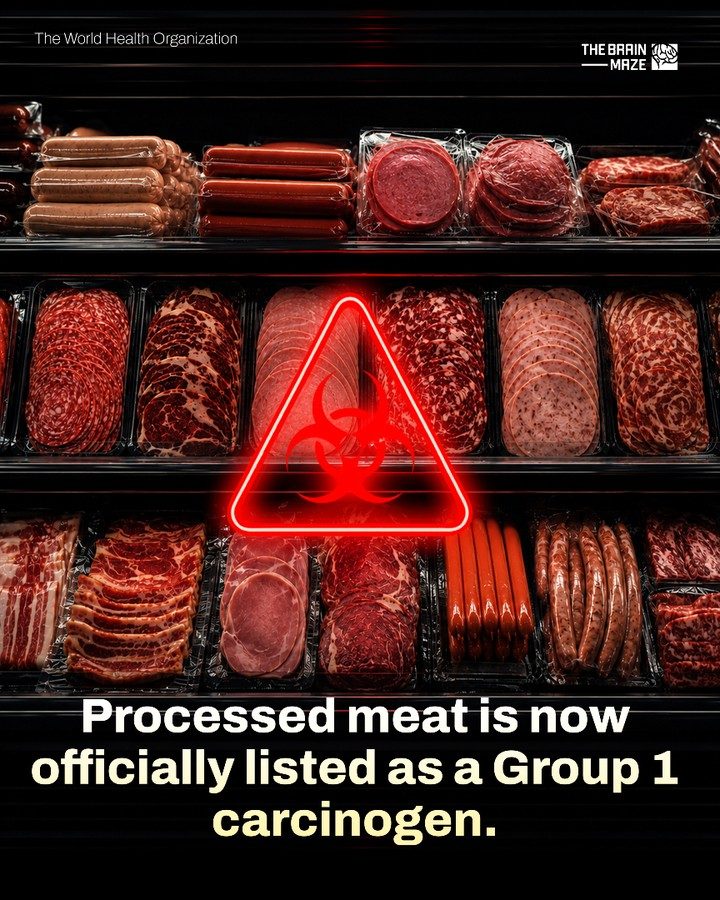
Processed meat has been classified by the World Health Organization’s International Agency for Research on Cancer (IARC) as a Group 1 carcinogen. This means there is strong scientific evidence that it can cause cancer in humans. It is important to understand that this classification refers to the strength of the evidence, not the level of risk. Regular consumption, particularly of processed products like bacon, sausages, hot dogs, and salami, has been linked to an increased risk of colorectal cancer.
Context
Processed meats are foods that have been transformed through salting, curing, fermenting, smoking, or other processes to enhance flavor or improve preservation. Examples include bacon, sausage, ham, hot dogs, and certain types of deli meats. The classification by the IARC is significant because it places processed meats in the same category as known carcinogens like tobacco and asbestos.
Regular consumption of processed meats has been linked to an increased risk of colorectal cancer, which is a type of cancer that affects the colon or rectum. Colorectal cancer is the third most common cancer diagnosed in both men and women in the United States. Understanding the risks associated with processed meats can help individuals make more informed choices about their diet.
What Are Processed Meats?
Processed meats are those that have been altered through various methods to enhance flavor, texture, or shelf life. These methods can include salting, curing, smoking, and the addition of preservatives. Common examples of processed meats include:
- Bacon: Often cured with salt and sometimes smoked.
- Sausages: Ground meat mixed with various seasonings and often preserved with nitrates.
- Hot dogs: Made from a mixture of ground meats, often including pork and beef, and preserved with sodium nitrite.
- Salami: A type of cured sausage made from fermented and air-dried meat.
- Ham: Often cured with salt and sometimes smoked.
- Deli meats: These can include various types of cured and preserved meats, such as turkey, chicken, and beef.
The Classification by the World Health Organization
The World Health Organization’s International Agency for Research on Cancer (IARC) classified processed meats as Group 1 carcinogens. This classification is based on strong scientific evidence linking processed meat consumption to an increased risk of colorectal cancer. The classification does not indicate the level of risk, but rather the strength of the evidence supporting the link between processed meat consumption and cancer.
Why This Classification Matters
The classification by the IARC is significant for several reasons:
- Public Awareness: It raises awareness about the potential health risks associated with regular consumption of processed meats.
- Dietary Choices: It encourages individuals to make more informed choices about their diet, potentially reducing their risk of colorectal cancer.
- Policy and Regulations: It can influence policy and regulations related to food labeling, marketing, and public health initiatives.
Understanding the Risks
It is important to understand that the classification of processed meats as Group 1 carcinogens does not mean that eating these foods will definitely cause cancer. Rather, it means that there is strong evidence linking regular consumption of processed meats to an increased risk of colorectal cancer. The level of risk can vary depending on factors such as the amount and frequency of consumption.
Factors Influencing Risk
Several factors can influence the level of risk associated with processed meat consumption:
- Amount consumed: Higher consumption of processed meats is generally linked to a higher risk of colorectal cancer.
- Frequency of consumption: Regular consumption of processed meats can increase the risk over time.
- Individual health factors: Factors such as genetics, age, and overall diet can also influence the risk.
Practical Tips
To reduce the risk associated with processed meat consumption, consider the following tips:
Limit Consumption
Limit your intake of processed meats. Opt for lean proteins and whole foods instead. This can include:
- Lean meats: Choose lean cuts of beef, pork, and poultry.
- Fish and seafood: Include fish and seafood in your diet for a healthy source of protein.
- Plant-based proteins: Consider plant-based proteins like beans, lentils, tofu, and tempeh.
Choose Whole Foods
Choose whole foods and whole grains over processed foods. Whole foods provide essential nutrients and fiber, which can support overall health.
Stay Hydrated
Drink plenty of water and stay hydrated. Proper hydration is essential for maintaining overall health and supporting digestive function.
Regular Exercise
Engage in regular physical activity. Regular exercise can help reduce the risk of colorectal cancer and support overall health.
Important Takeaways
The classification of processed meats as Group 1 carcinogens emphasizes the importance of making informed dietary choices. While processed meats can be part of a balanced diet in moderation, regular and high consumption has been linked to an increased risk of colorectal cancer.
- Limit: Limit your consumption of processed meats.
- Choose: Opt for lean proteins, whole foods, and plant-based proteins.
- Hydrate: Stay hydrated and engage in regular physical activity.
- Stay Informed: Stay informed about the risks associated with processed meat consumption and make choices that support your overall health.
Conclusion
Processed meats, such as bacon, sausages, hot dogs, and salami, have been classified as Group 1 carcinogens by the World Health Organization’s International Agency for Research on Cancer. This classification is based on strong scientific evidence linking processed meat consumption to an increased risk of colorectal cancer. Understanding the risks associated with processed meats and making informed dietary choices can help reduce the risk of colorectal cancer and support overall health.
Watch the Reel
Questions readers ask
What does the World Health Organization's classification of processed meat as a Group 1 carcinogen mean?
The WHO's classification indicates that there is strong scientific evidence linking processed meat to cancer in humans. This classification is based on the strength of the evidence, not the level of risk.
Which types of processed meat are most commonly associated with an increased cancer risk?
Regular consumption of processed meats like bacon, sausages, hot dogs, salami, and certain deli meats has been linked to an increased risk of colorectal cancer. These meats undergo processes such as salting, curing, or smoking, which can produce carcinogenic compounds.
How does regular consumption of processed meat affect the risk of colorectal cancer?
Consuming processed meat regularly increases the risk of colorectal cancer. The World Health Organization’s warning emphasizes the importance of moderation and awareness in the consumption of such foods, particularly for those concerned about their health.
What are the primary processes that transform meat into processed meat?
Processed meats are created through various methods such as salting, curing, fermenting, and smoking. These processes are used to enhance flavor, improve preservation, and alter the texture of the meat, but they also create compounds that may pose health risks.
Are all types of meat classified as carcinogens by the World Health Organization?
No, the WHO has specifically classified processed meats as a Group 1 carcinogen. This classification does not include unprocessed red meat, which has a different risk profile and is classified as a Group 2A carcinogen, indicating a probable link to cancer.
Related deep dives
Similar reads based on topic and creator.


Recent articles
Fresh deep dives from the latest Reels we unpacked.




Comments
Be the first to comment.