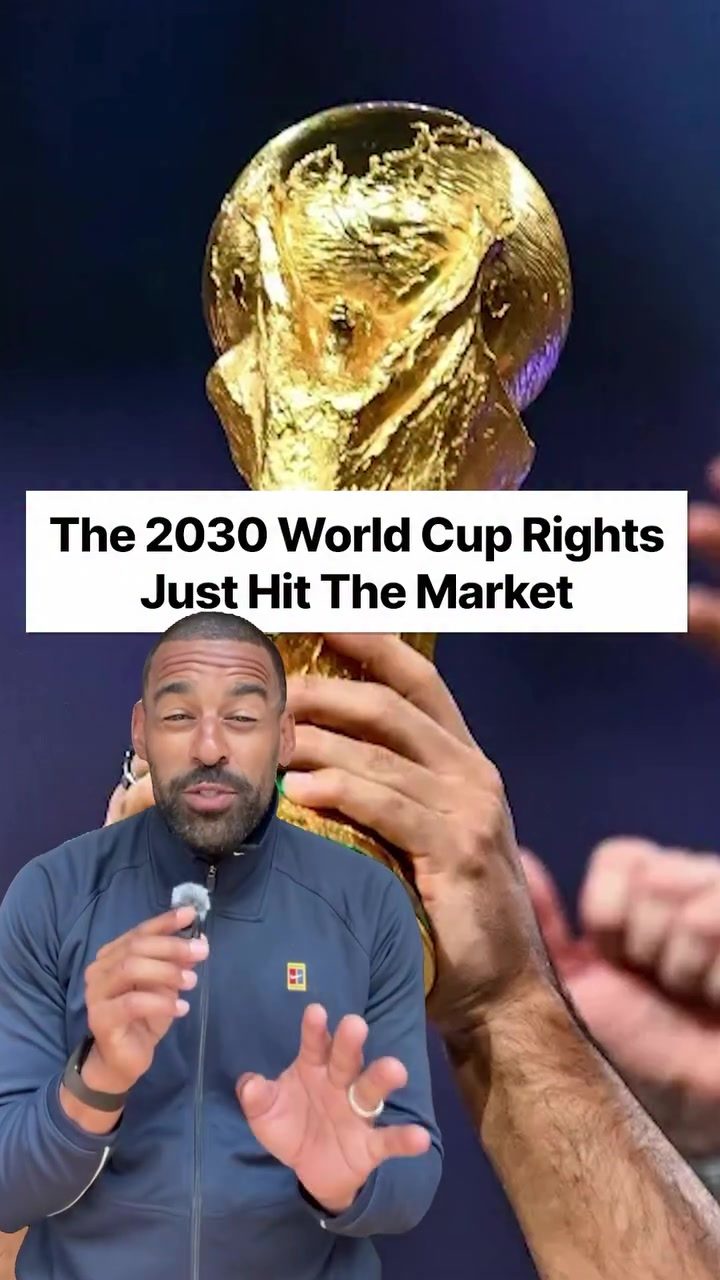
The 2030 World Cup Rights are Up for Grabs
The 2030 World Cup rights have hit the market, and the bidding war is heating up. Major players like Netflix, Disney, YouTube, Amazon, and Apple are all vying for the rights, making this a significant moment in the sports broadcasting landscape.
Why This Matters
The World Cup is more than just a sporting event; it's a global phenomenon that attracts hundreds of millions of viewers. The recent surge in viewership, with the U.S. men's team drawing 26 million viewers in a single match, underscores the immense popularity and reach of the sport. This viewership boost gives FIFA a strong negotiating position, making the 2030 World Cup rights a highly sought-after asset.
The Bidding War
The Value of World Cup Rights
The 2030 and 2034 World Cup rights are expected to fetch between $1.5 billion and $2 billion, with some estimates going as high as $3 billion. This is a significant increase from the $485 million that Fox paid for the English-language rights to the 2026 World Cup, which was already considered a bargain at the time. The U.S. men's national team's (USMNT) recent success in drawing a record number of viewers further solidifies the value of these rights.
Bundling Language Rights
For the first time, FIFA is bundling English and Spanish language rights together. This move forces every bidder to pay for both audiences at once, making it a more comprehensive deal. This strategy is not just about media rights; it's about acquiring subscribers. Streaming companies have learned that sports, unlike movies or TV shows, keep subscribers engaged and committed. People stay subscribed to sports content because they can't miss the next game, making it a powerful tool for subscriber retention.
The Strategic Play
Sports as a Subscription Tool
Streaming companies are not just buying sports for the content; they are buying them as a means to acquire and retain subscribers. Think of it as a subscriber acquisition engine. Netflix, Disney, Amazon, and Apple have all invested in major sports properties for this reason. Netflix bought the Women's World Cup, Amazon secured Thursday Night Football, and Apple acquired Major League Soccer (MLS). These acquisitions are strategic moves that go beyond media deals.
The Power of the World Cup
The World Cup is particularly valuable because it transforms casual fans into daily viewers for an entire month. This sustained attention converts to subscriptions, which in turn convert to long-term customer relationships. The real prize here is not the trophy but the user who stays after the final whistle. The streaming company that wins the bidding war for the 2030 World Cup rights will gain a significant advantage in the subscription market.
Practical Tips for Streaming Companies
-
Leverage Viewership Data: Use historical viewership data to understand the potential reach and engagement of different sports properties. The USMNT's 26 million viewers in a single match is a good example of the kind of viewership data that can inform strategic decisions.
-
Bundle Content Strategically: Consider bundling content that appeals to diverse audiences. FIFA's move to bundle English and Spanish language rights is a strategic example of this approach.
-
Focus on Engagement: Prioritize sports content that keeps viewers engaged over a sustained period. Sports, with their regular schedules and live viewing, are ideal for this.
-
Invest in Popular Leagues and Events: Popular sports events like the World Cup have proven to be powerful tools for acquiring and retaining subscribers.
Important Takeaways
-
The Value of Sports Content: Sports content, particularly high-profile events like the World Cup, is a valuable asset for streaming companies. It keeps subscribers engaged and committed.
-
Bundling Strategy: Bundling different language rights or content types can make a deal more attractive and comprehensive.
-
Subscriber Acquisition: Sports are a powerful tool for acquiring and retaining subscribers. They keep viewers engaged over a long period, converting casual viewers into long-term subscribers.
-
Future Trends: As viewership continues to grow, the value of sports rights is likely to increase. Companies that invest in these rights now may reap significant benefits in the future.
Conclusion
The 2030 World Cup rights are a prized asset in the bidding war among major streaming companies. With the bundling of English and Spanish language rights and the proven power of sports to engage and retain subscribers, this deal is more than just a media acquisition; it's a strategic move to dominate the subscription market. As the bidding war heats up, it will be interesting to see which company emerges as the champion, securing not just the rights but also the attention and loyalty of millions of viewers.
Watch the Reel
Questions readers ask
Who are the main competitors for the 2030 World Cup broadcast rights?
The primary competitors for the 2030 World Cup broadcast rights include major streaming platforms like Netflix, Disney, Amazon, YouTube, and Apple. These companies are all vying for the opportunity to stream the global event to their vast subscriber bases.
What makes the 2030 World Cup broadcast rights so valuable?
The 2030 World Cup broadcast rights are valuable due to the event's immense global viewership and commercial potential. The World Cup attracts hundreds of millions of viewers, providing a significant opportunity for companies to attract and retain subscribers.
Why is the U.S. men's team's recent viewership important in this context?
The U.S. men's team's recent viewership, with 26 million viewers in a single match, highlights the growing interest in soccer within the United States. This increased popularity contributes to the overall appeal of the World Cup broadcast rights, making them more attractive to bidders.
How does the bidding war for the 2030 World Cup rights impact FIFA?
The intense competition for the 2030 World Cup rights strengthens FIFA's negotiating position, allowing them to potentially secure higher bids. This financial boost can be used to support various aspects of the sport, including development programs and infrastructure.
What does this bidding war indicate about the future of sports broadcasting?
The fierce competition for the 2030 World Cup rights signals a significant shift in sports broadcasting, with streaming giants playing an increasingly prominent role. This trend suggests that traditional broadcasting methods may give way to digital platforms in the future.
Related deep dives
Similar reads based on topic and creator.


Recent articles
Fresh deep dives from the latest Reels we unpacked.


Comments
Be the first to comment.