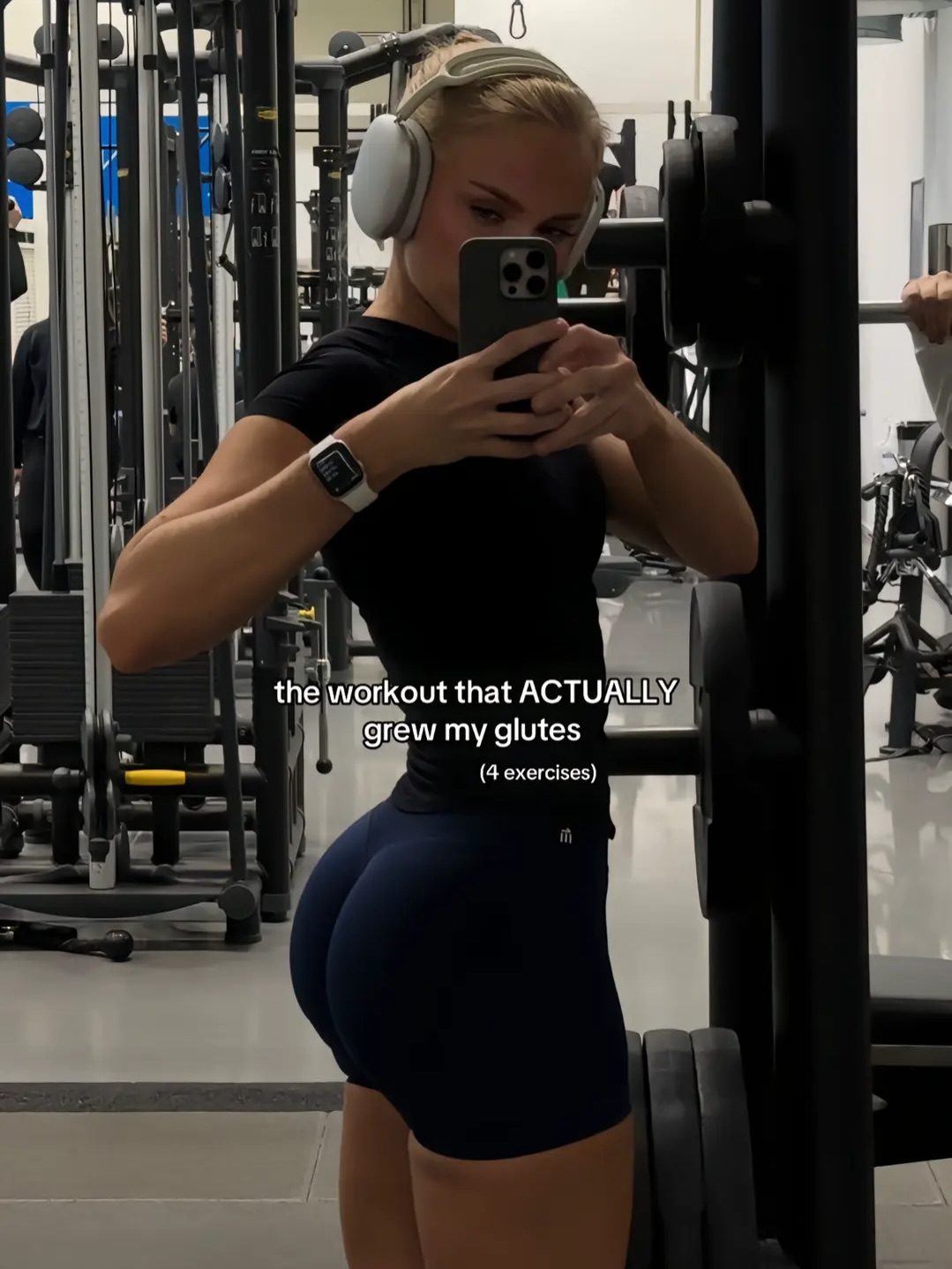
Glute Workout Routine
Growing and strengthening the glutes is a common goal for many fitness enthusiasts. The key to achieving this lies in a well-structured workout routine that focuses on progressive overload, proper form, and adequate recovery. This article delves into an effective glute workout routine that targets the glutes from various angles, ensuring comprehensive development.
Context
Why This Matters
A well-toned and strong gluteal muscles (glutes) improve overall body aesthetics and contribute significantly to athletic performance and daily functionality. Strong glutes support the lower back, improve posture, and enhance stability. Additionally, incorporating a structured workout routine can lead to better overall fitness, increased strength, and a more resilient physique.
Main Discussion
Progressive Overload and Recovery
A critical aspect of any effective workout routine is progressive overload—gradually increasing the demands on the muscles to stimulate growth. This involves incrementally increasing the weight, reps, or sets over time. Proper form is also essential to ensure that the glute muscles are effectively engaged and to prevent injuries. Proper recovery is vital for muscle growth and repair. This involves adequate rest, nutrition, and hydration.
Targeted Exercises
This workout routine focuses on four exercises that target the glutes from different angles:
- Hip Thrusts: This exercise is excellent for building strength and promoting muscle growth in the glutes. It involves lying on the back with a bench or step behind the upper back, driving through the heels to lift the hips until the body forms a straight line from shoulders to knees.
- Romanian Deadlifts (RDLs): This compound movement not only targets the glutes but also works the hamstrings and lower back. It involves hinging at the hips while keeping the back straight and the knees slightly bent, lowering the weight to the ground, and then returning to a standing position.
- Bulgarian Split Squats: This unilateral exercise focuses on one leg at a time, which helps in improving balance, stability, and overall glute development. It involves standing in a lunge position with the rear foot elevated on a bench or step and performing a squat.
- Kickbacks: This isolation exercise specifically targets the gluteus maximus and helps in shaping and toning the glutes. It involves getting on all fours, keeping the core engaged, and extending one leg backward while keeping the knee bent at a 90-degree angle.
Practical Tips
Implementing the Workout
To get the most out of this workout, consider the following tips:
- Warm-Up: Always start with a dynamic warm-up to prepare your muscles for the workout and reduce the risk of injury. This can include leg swings, hip rotations, and light cardio.
- Rep Counts and Sets: Aim for 3 sets of 8-10 reps for each exercise. This range allows for both strength and hypertrophy gains.
- Progression: Gradually increase the weight or resistance as you get stronger to continue challenging your muscles.
- Recovery: Ensure adequate rest between sets (1-2 minutes) and between workouts. This allows your muscles to recover and grow.
- Nutrition: Proper nutrition is essential for muscle growth and recovery. Focus on a balanced diet with adequate protein, carbohydrates, and healthy fats.
- Tracking: Use a workout app to track your sets, reps, rest, and progression. This helps in staying accountable and motivated.
Benefits of Using a Workout App
Tracking your progress is crucial for staying motivated and making consistent gains. A workout app like WORKIT can be particularly helpful. It offers personalized workout and nutrition plans, helping you stay on track and avoid the guesswork. Additionally, it rewards you for staying active, adding an extra layer of motivation.
Important Takeaways
Several key points emerge from this discussion:
- Progressive overload, proper form, and adequate recovery are essential for glute development.
- A well-rounded workout routine that includes exercises like hip thrusts, RDLs, Bulgarian split squats, and kickbacks can target the glutes from multiple angles.
- Tracking your progress with a workout app can help you stay motivated and accountable.
Conclusion
A structured glute workout routine, combined with proper nutrition and recovery, can lead to significant improvements in strength, size, and overall fitness. By focusing on progressive overload, proper form, and using tools like a workout app to track your progress, you can achieve your fitness goals more effectively. Whether you're aiming to enhance your athletic performance or improve your physique, incorporating these exercises and principles into your routine can make a substantial difference.
Watch the Reel
Questions readers ask
What are the benefits of incorporating glute exercises into my workout routine?
Incorporating glute exercises into your workout routine can significantly improve your overall fitness. Strong glutes support the lower back, enhance posture, and increase stability. Additionally, they contribute to improved athletic performance and better daily functionality.
How does progressive overload help in growing and strengthening the glutes?
Progressive overload involves gradually increasing the stress placed on your muscles during workouts. This can be achieved by adding more weight, reps, or sets over time. This principle is crucial for growing and strengthening your glutes as it continually challenges your muscles, promoting growth and increased strength.
What are some effective glute exercises for beginners?
For beginners, exercises like bodyweight squats, lunges, and glute bridges are excellent starting points. These exercises target the glutes effectively and can be performed with minimal equipment. As you progress, you can incorporate more advanced exercises and add weights to continue challenging your muscles.
How can I effectively target my glutes with workit exercises?
To effectively target your glutes with workit exercises, focus on movements that engage the glutes from various angles. Exercises like Bulgarian split squats and Romanian deadlifts (RDLs) are highly effective. Ensure proper form and progressive overload to maximize glute activation and growth.
Can I perform glute exercises at home without any equipment?
Yes, you can perform glute exercises at home without any equipment. Exercises like squats, lunges, and glute bridges are effective and require no equipment. You can also incorporate more challenging variations as you progress, such as single-leg glute bridges or pistol squats.
What is the importance of recovery in a glute workout routine?
Recovery is crucial in a glute workout routine as it allows your muscles to repair and grow stronger. Ensure you are giving your glutes adequate rest between workouts, typically 48-72 hours. Proper nutrition, hydration, and sleep also play significant roles in recovery.
Are there specific glute exercises for men and women?
The principles of glute training are generally the same for both men and women. The key is to choose exercises that target the glutes effectively. However, personal preferences and specific goals may lead to different exercise choices. For example, some women might prefer exercises that also engage other muscle groups for a more toned appearance, while men might focus more on heavy lifts for maximum strength.
Recent articles
Fresh deep dives from the latest Reels we unpacked.




Comments
Be the first to comment.