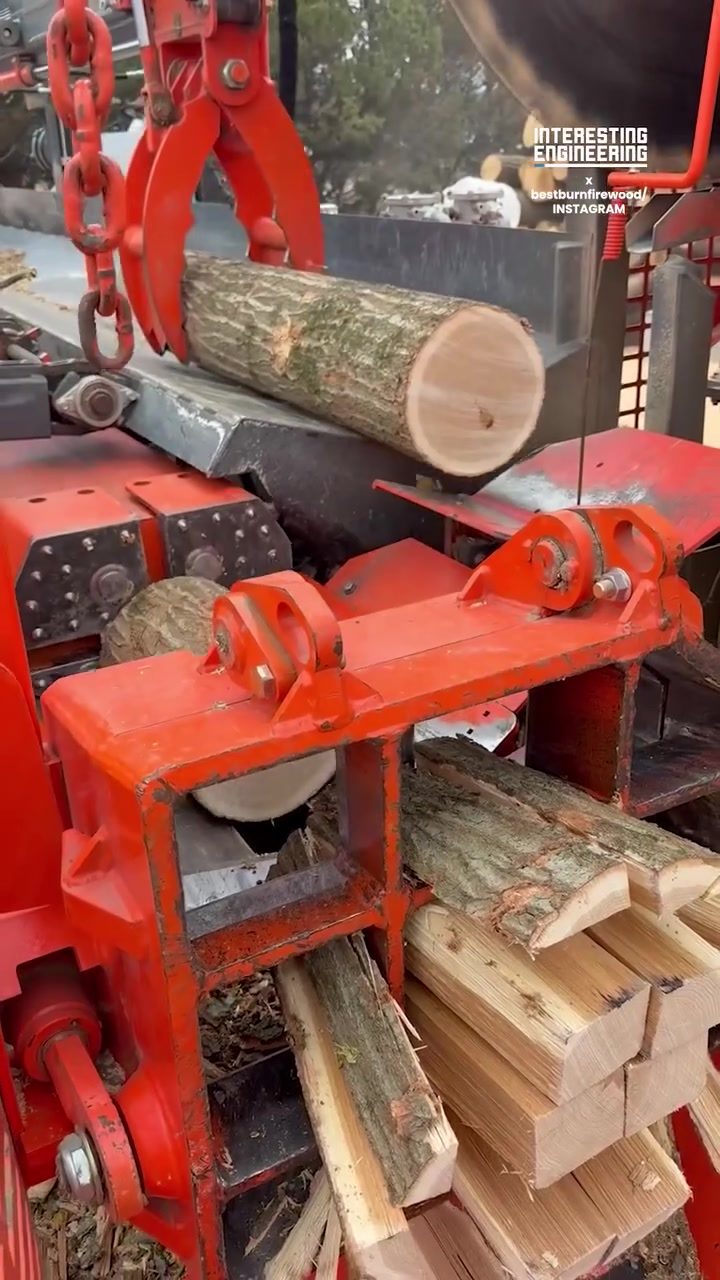
Wood Splitting Machines: Efficient Tools for Firewood Production
Wood splitting machines are powerful tools designed to efficiently convert logs into uniform firewood pieces. These machines are particularly useful for those who need to process a large volume of wood, whether for personal use, commercial purposes, or even for resale. Let's delve into the world of wood splitting machines, exploring their functionality, benefits, and practical tips for optimal use.
Context / Why This Matters
Wood splitting machines are essential for anyone involved in wood processing. Whether you're a homeowner looking to prepare firewood for the winter or a business owner supplying wood to customers, these machines can significantly streamline the process. By automating the splitting and cutting of logs, they save time and reduce the physical effort required, making them a valuable investment for anyone dealing with wood.
Understanding Wood Splitting Machines
Wood splitting machines come in various types, each designed for different needs and scales of operation. Here are some of the key types and their features.
Hydraulic Wood Splitters
Hydraulic wood splitters use hydraulic power to split logs. These machines are known for their efficiency and robustness. The hydraulic system allows for consistent and powerful splitting, making them ideal for processing large logs and hardwoods.
Key features of hydraulic wood splitters include:
- Powerful splitting force
- Efficient and consistent performance
- Ability to handle large and hard logs
Gas-Powered Wood Splitters
Gas-powered wood splitters are popular for their portability and high power output. These machines are typically used in outdoor settings where electricity is not readily available. They are particularly useful for mobile wood processing operations.
Electric Wood Splitters
Electric wood splitters are ideal for indoor or garage use. They are quieter and more environmentally friendly compared to gas-powered models. However, they are less portable and require a power source nearby.
Practical Tips for Using Wood Splitting Machines
Using a wood splitting machine safely and effectively is crucial for optimal performance. Here are some practical tips to help you get the most out of your machine.
Safety Precautions
Safety should always be your top priority when operating a wood splitting machine. Here are some essential safety tips:
- Always wear protective gear, including gloves, safety glasses, and ear protection.
- Ensure the machine is on a stable, level surface to prevent accidental movement.
- Keep bystanders at a safe distance from the machine during operation.
Maintenance Tips
Regular maintenance is key to extending the lifespan of your wood splitting machine. Follow these maintenance tips to keep your machine in top condition:
- Regularly inspect the hydraulic system for leaks or damage.
- Keep the machine clean, removing any debris or sawdust that accumulates.
- Lubricate moving parts as recommended by the manufacturer.
- Store the machine in a dry, covered area to protect it from the elements.
Efficient Operation
To maximize the efficiency of your wood splitting machine, consider these tips:
- Select the appropriate log size and type for your machine's specifications.
- Feed logs evenly and steadily into the machine to prevent jamming.
- Use a log cradle or stand to support logs and make feeding easier.
Important Takeaways
Wood splitting machines are versatile and efficient tools for turning logs into uniform firewood. Whether you choose a hydraulic, gas-powered, or electric model, these machines can significantly reduce the time and effort required for wood processing.
Key Points
- Wood splitting machines are essential for efficient firewood production.
- Hydraulic, gas-powered, and electric models cater to different needs and settings.
- Regular maintenance and safety precautions are crucial for optimal performance.
- Proper operation techniques can maximize the machine’s efficiency.
Conclusion
Wood splitting machines are invaluable for anyone involved in wood processing. From providing uniform firewood to reducing physical effort, these machines offer numerous benefits. By understanding the different types of wood splitters and following practical tips for safe and efficient use, you can make the most of this powerful tool. Whether you're a homeowner or a business owner, investing in a wood splitting machine can greatly enhance your wood processing capabilities.
Watch the Reel
Questions readers ask
What are the main benefits of using a wood splitter machine for firewood processing?
Wood splitter machines offer several advantages, including speed, efficiency, and reduced physical strain. They can quickly transform logs into uniform firewood pieces, saving time and effort compared to manual splitting. Additionally, these machines help to minimize waste by maximizing the amount of usable firewood from each log.
How does a wood splitter machine work to automate the wood splitting process?
Wood splitter machines typically use a hydraulic or electric system to power a wedge or blade that drives into the log, splitting it into smaller pieces. The process is automated, requiring minimal user intervention beyond placing the log and activating the machine. This automation ensures consistent results and reduces the risk of injury associated with manual splitting.
What types of wood splitter machines are available for homeowners?
There are several types of wood splitter machines suitable for home use, including vertical and horizontal models. Vertical splitters are typically more compact and easier to store, while horizontal splitters are often more powerful and can handle larger logs. Some models are also designed to be portable, making them ideal for those who need to process firewood at different locations.
How can I choose the best wood splitter for my needs?
To choose the best wood splitter, consider factors such as the size and type of logs you will be processing, the desired output capacity, and your available budget. Look for a machine with a powerful engine or motor, a sturdy build, and safety features. Reading wood splitter machine reviews and comparing different models can also help you make an informed decision.
What safety precautions should I take when using a wood splitter machine?
Always wear appropriate protective gear, including gloves, safety glasses, and sturdy boots. Ensure the machine is properly maintained and follow the manufacturer's guidelines for operation. Never operate the machine under the influence of alcohol or drugs, and keep bystanders at a safe distance while the machine is in use. Regularly inspect the machine for any signs of wear or damage to prevent accidents.
Can a wood splitter machine help reduce wood waste and save money?
Yes, a wood splitter machine can help reduce wood waste by ensuring that logs are split efficiently and uniformly. This means you get more usable firewood from each log, which can lead to cost savings over time. Additionally, by processing your own firewood, you can avoid the costs associated with purchasing pre-split firewood, making it a more economical option for home heating or other uses.
What are some practical tips for using a wood splitter machine efficiently?
To use a wood splitter machine efficiently, start by ensuring the machine is on a stable, level surface. Pre-size your logs to a manageable length for the machine. Place the log securely and activate the machine according to the manufacturer's instructions. For consistent results, maintain a steady pace and avoid overloading the machine. Regular maintenance, such as lubricating moving parts and checking hydraulic fluids, will also help ensure optimal performance.
Recent articles
Fresh deep dives from the latest Reels we unpacked.




Comments
Be the first to comment.