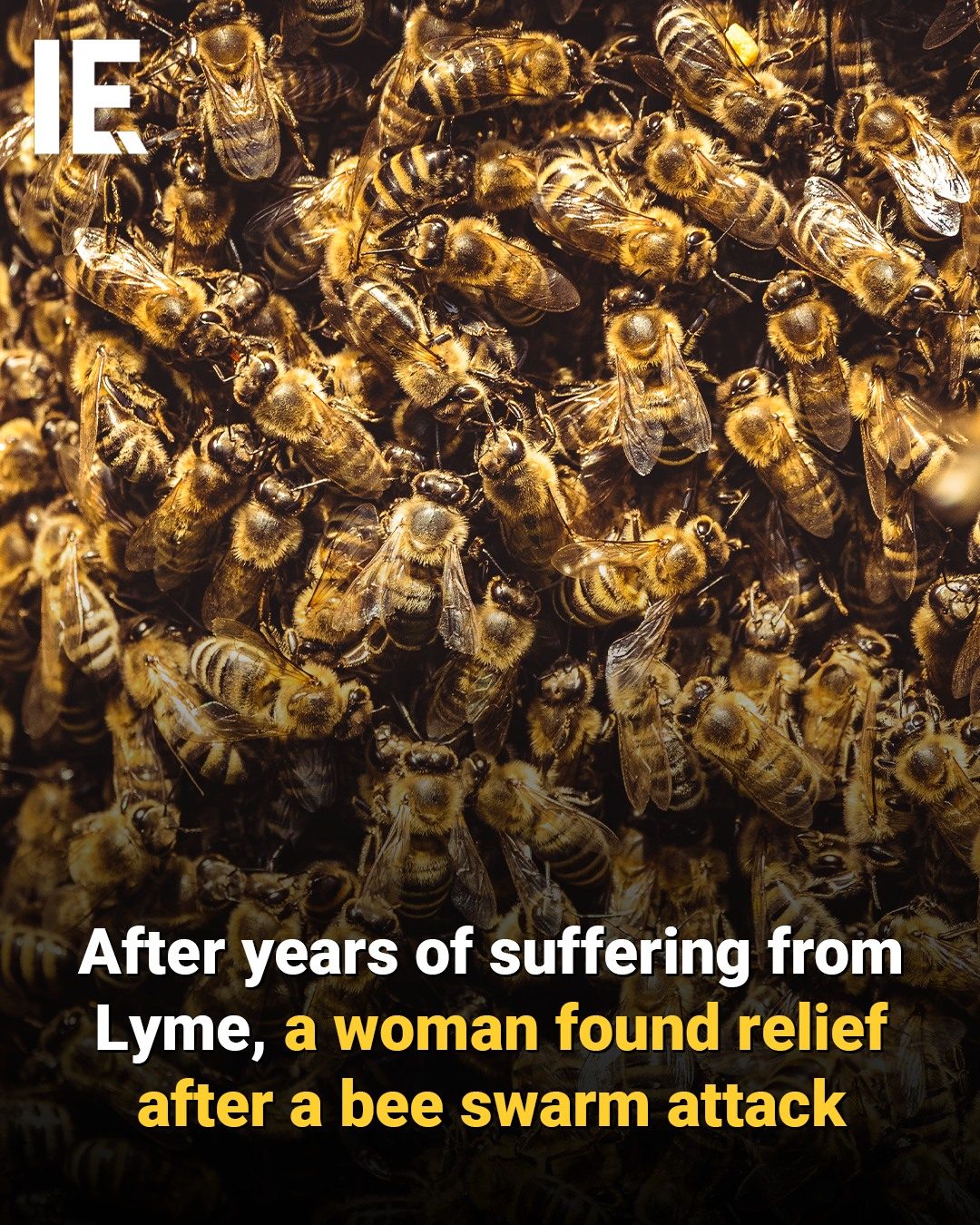
Bee Swarm Attack
Lyme disease is a bacterial infection transmitted through the bite of infected ticks, and it can cause a range of symptoms including fatigue, joint pain, and neurological issues. Traditional treatments often involve antibiotics, and while effective for many, some patients find relief elusive. Ellie Lobel's story is a fascinating, albeit unusual, case study in the realm of alternative therapies.
Context / Why This Matters
Lyme disease is a significant health concern in many parts of the world, particularly in areas with dense tick populations. The standard treatment protocols, which typically involve a course of antibiotics, are not universally effective. As a result, some patients turn to alternative therapies in search of relief. Bee venom therapy is one such method, though it is not widely accepted within the medical community due to a lack of conclusive evidence supporting its efficacy and the potential risks involved.
Main Discussion
Ellie Lobel's Experience
Ellie Lobel spent years battling severe Lyme disease symptoms, to the point of being bedridden for extended periods. Traditional treatments offered little relief, leaving her desperate for a solution. In 2011, an unexpected encounter with a swarm of bees changed her life dramatically. After being stung dozens of times, her condition began to improve in the subsequent weeks. This remarkable turn of events sparked her interest in bee venom therapy, a practice that involves using bee stings or injecting bee venom directly into the body.
Bee Venom and Melittin
Bee venom contains a compound called melittin, which has been shown to have antibacterial properties in laboratory settings. Melittin can disrupt bacterial membranes, making it effective against a variety of bacteria, including those responsible for Lyme disease. However, the use of bee venom therapy for treating Lyme disease in humans remains unproven. While some anecdotal evidence suggests potential benefits, scientific research is limited, and the risks associated with bee stings, including allergic reactions, are significant.
Scientific Perspectives
Scientists acknowledge the antibacterial potential of melittin, but they caution against relying on bee venom therapy as a primary treatment for Lyme disease. The lack of controlled studies and the variability in individual responses to bee stings make it difficult to draw firm conclusions about its efficacy. Moreover, the potential for severe allergic reactions and other complications means that bee venom therapy should be approached with extreme caution.
Practical Tips
Consulting Healthcare Professionals
If you are considering unconventional treatments for Lyme disease, it is crucial to consult with healthcare professionals first. They can provide guidance based on your specific health situation and help you weigh the potential benefits against the risks. Always prioritize your safety and seek professional advice before embarking on any alternative therapy.
Understanding the Risks
Bee venom therapy carries inherent risks, including the possibility of severe allergic reactions. It is essential to be aware of these risks and to understand that the therapy is not without its dangers. If you decide to pursue bee venom therapy, do so under the supervision of a qualified practitioner who can monitor your response and provide appropriate medical care if needed.
Exploring Other Options
While bee venom therapy may offer potential benefits for some, it is not the only alternative therapy available. Other options, such as herbal remedies, acupuncture, and nutritional supplements, may also be worth exploring. Be sure to research these alternatives thoroughly and consult with healthcare professionals to determine the best course of action for your situation.
Monitoring Progress
Regardless of the treatment path you choose, regular monitoring of your symptoms and overall health is essential. Keep a detailed record of your progress, noting any changes in symptoms, improvements in your condition, and any side effects you experience. This information can be invaluable in assessing the effectiveness of your treatment and making adjustments as needed.
Important Takeaways
Ellie Lobel's story is a compelling example of how alternative therapies can sometimes lead to unexpected improvements in health. However, it is essential to approach such treatments with caution and a realistic understanding of their limitations. Bee venom therapy, while intriguing, is not a proven cure for Lyme disease and carries significant risks. Always prioritize your safety and consult with healthcare professionals before embarking on any alternative treatment path.
Conclusion
Lyme disease is a complex and often challenging condition to treat. Traditional antibiotics may not always provide the relief patients need, leading some to explore alternative therapies like bee venom therapy. While Ellie Lobel's experience offers a fascinating glimpse into the potential benefits of this unconventional approach, it is crucial to weigh these benefits against the risks and to seek professional guidance before proceeding. Always prioritize your health and safety, and consider all available options before making a decision about your treatment.
Watch the Reel
Questions readers ask
What is bee venom therapy and how does it relate to Lyme disease treatment?
Bee venom therapy involves using venom from bee stings or injections to help manage symptoms. For Lyme disease patients, this alternative treatment has shown promise in alleviating symptoms like fatigue and joint pain, which traditional antibiotics may not fully address.
How does bee venom therapy work for Lyme disease symptoms relief?
Bee venom contains compounds like melittin and adolapin, which have anti-inflammatory properties. These compounds may help reduce inflammation and pain associated with Lyme disease, offering a natural form of relief for some patients.
What are the benefits of using bee venom therapy for Lyme disease?
Some patients, like Ellie Lobel, have reported significant improvements in their Lyme disease symptoms after undergoing bee venom therapy. This includes reduced pain, fatigue and even neurological issues, providing hope for those who do not respond well to standard antibiotic treatments.
Is bee venom therapy safe for everyone with Lyme disease?
Bee venom therapy is not suitable for everyone. Individuals with allergies to bee stings or venom should avoid this treatment. It is crucial to consult with a healthcare provider before starting any new therapy, including bee venom treatment.
How is bee venom therapy administered for Lyme disease treatment?
Bee venom therapy can be administered in two primary ways: through live bee stings or through injections of purified bee venom. The method chosen often depends on the patient's comfort level and the guidance of a healthcare professional experienced in this alternative treatment.
What should I expect during a bee venom therapy session for Lyme disease?
A typical bee venom therapy session involves controlled exposure to bee stings or injections. The process is carefully monitored to ensure safety, and patients may experience local pain, swelling, or redness at the site of the sting or injection. It is important to follow up with a healthcare provider to track progress and make any necessary adjustments.
Why might some Lyme disease patients turn to bee venom therapy over antibiotics?
Some Lyme disease patients may turn to bee venom therapy because they do not experience satisfactory relief from antibiotics alone. Additionally, long-term use of antibiotics can have side effects, and some patients seek alternative, natural methods to manage their symptoms. Bee venom therapy offers a different approach that some find beneficial.
Related deep dives
Similar reads based on topic and creator.




Recent articles
Fresh deep dives from the latest Reels we unpacked.




Comments
Be the first to comment.