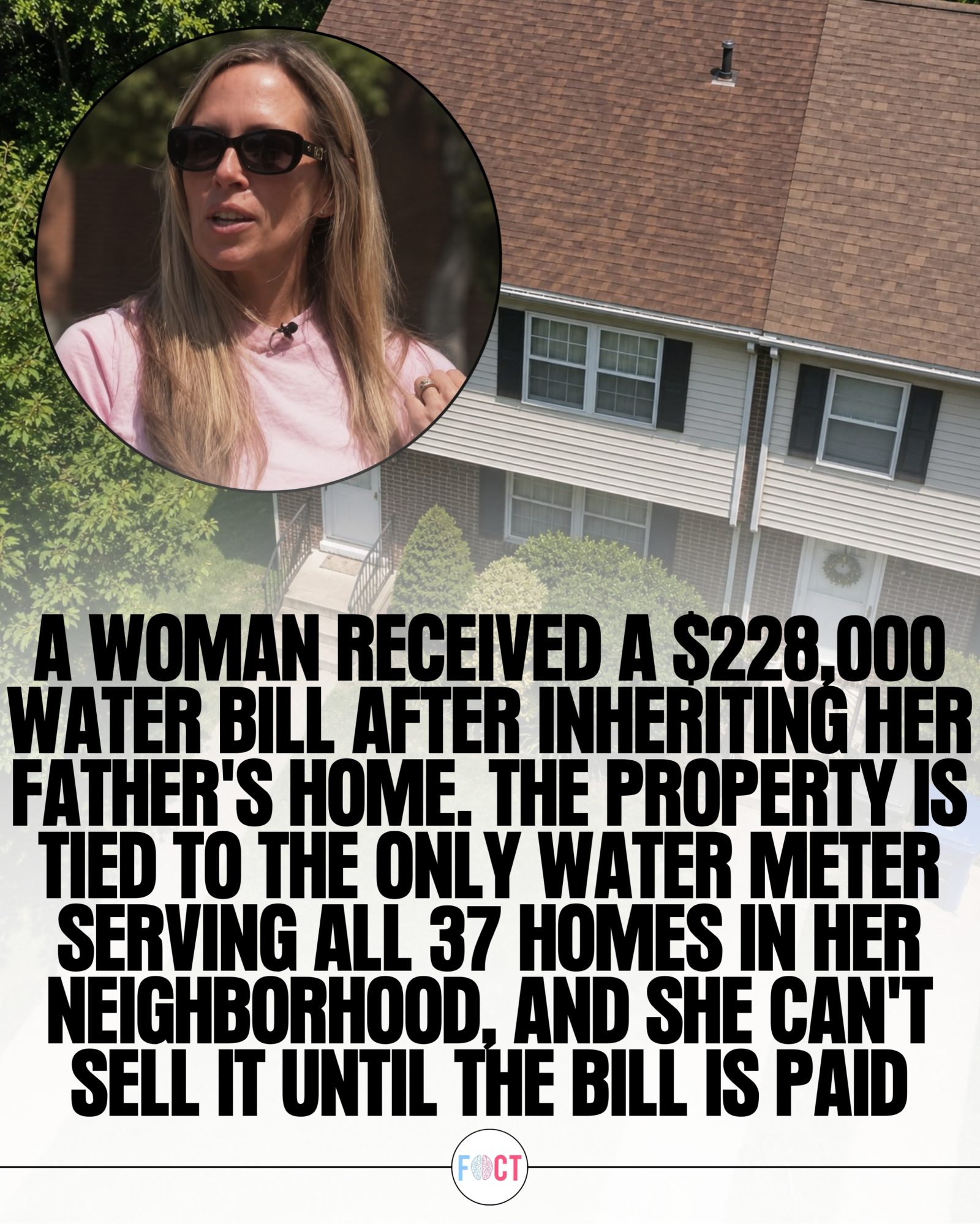
Unexpected Water Bill
Kristina Moore inherited her father's home in Baltimore, only to find herself facing a staggering $228,000 water bill. This unexpected financial burden stems from the property's unique situation: it shares a master water meter with 37 other homes in the Springwood Estates neighborhood. This shared meter arrangement has led to a complex legal and financial dilemma, preventing Moore from selling the house due to a city lien.
Context / Why This Matters
Understanding the implications of shared utility meters and the legal complexities surrounding them is crucial for homeowners, especially those inheriting properties. This situation highlights the potential pitfalls of shared utility systems and the importance of thoroughly investigating a property's utility arrangements before inheriting or purchasing.
The Intricacies of Shared Utility Meters
What is a Master Meter?
A master meter is a single utility meter that serves multiple properties. In Moore's case, the master meter provides water to 38 homes, including hers. This setup is common in some neighborhoods, particularly in older developments or homeowners associations (HOAs). While it can simplify billing and maintenance, it also creates a communal responsibility for the utility bill.
The Financial Burden
The financial impact of a shared meter can be significant, as Moore discovered. The $228,000 water bill is a crippling amount for an individual homeowner. This bill accumulated over time, likely due to the collective water usage of all 38 homes. The responsibility for this bill falls on the individual property owners, even though the water usage is shared.
Legal and Administrative Challenges
The legal complexities of shared utility meters can be daunting. In Moore's case, the Springwood Estates HOA is responsible for the shared water account. However, the city of Baltimore has placed a lien on Moore's individual property, preventing her from selling it until the bill is paid. This situation highlights the bureaucratic challenges homeowners may face when dealing with shared utility meters and municipal liens.
Practical Tips for Homeowners
Conduct Thorough Research
Before inheriting or purchasing a property, conduct thorough research on its utility arrangements. Check if the property is connected to a master meter and understand the financial and legal implications. This due diligence can help you avoid unexpected financial burdens and legal complications.
Review HOA Agreements
If the property is part of an HOA, carefully review the association's agreements and bylaws. Understand the HOA's responsibility for shared utilities, as well as your individual obligations. This knowledge can help you navigate any issues that may arise.
Seek Legal and Financial Advice
Consult with legal and financial experts to understand the implications of shared utility meters. They can provide valuable insights and help you develop a plan to manage or resolve any issues that may arise.
Communicate with Neighbors
Open communication with your neighbors is essential when dealing with shared utility meters. Establish a clear understanding of each party's responsibilities and work together to address any issues that may arise.
Important Takeaways
- Shared utility meters can lead to significant financial and legal challenges for homeowners.
- Conduct thorough research and seek professional advice before inheriting or purchasing a property with a shared utility meter.
- Open communication and a clear understanding of responsibilities are crucial for managing shared utility meters.
Conclusion
Kristina Moore's situation serves as a stark reminder of the potential pitfalls of shared utility meters. While these systems can simplify billing and maintenance, they also create a communal responsibility for utility bills and can lead to significant financial and legal challenges. Homeowners must conduct thorough research, seek professional advice, and maintain open communication with their neighbors to navigate these complexities effectively.
Watch the Reel
Questions readers ask
What are shared utility meters and how do they work?
Shared utility meters are utility meters that serve multiple properties instead of a single property. They are typically found in condominiums, townhomes, or neighborhoods with shared utilities. The meter measures the total water consumption for all connected homes, which means each homeowner is responsible for a portion of the total bill, often split equally or based on square footage.
Can a high water bill from an inherited home affect my ability to sell the property?
Yes, a high water bill or any other unpaid utility bill can significantly impact your ability to sell an inherited home. The city may place a lien on the property, which must be paid off before the title can be transferred. Additionally, potential buyers may be deterred by the prospect of inheriting a large utility debt.
How can I avoid unexpected utility bills when inheriting a property?
To prevent unexpected utility bills, thoroughly investigate the property's utility arrangements before accepting the inheritance. Ask about shared meters, outstanding debts, and any associated homeowners association (HOA) fees. You may want to contact utility companies directly to confirm there are no back bills or pending charges.
What should I do if I inherit a home with a high water bill?
First, confirm the bill's accuracy with the utility company. Next, consult with a real estate attorney to understand your options for resolving the debt. You may need to negotiate a payment plan, pay the bill in full, or address any liens on the property. Additionally, consider reaching out to the other property owners connected to the shared meter to discuss splitting the cost.
Can I be held responsible for water bill debt if the previous owner is still alive?
If the previous owner is still alive, they are generally still responsible for the water bill debt. However, if they are unable to pay or choose not to, the debt could potentially be passed on to you if you inherit the home. This is especially true if the city places a lien on the property, which may need to be resolved before the title can be transferred to you as heir.
How can I prevent my inherited property from having to deal with a shared water meter?
If you inherit a home with a shared water meter you may contact a plumber for an estimate to have the meter replaced. If you are buying or inheriting the property, check the meter type and the meter history. If the property has a shared meter, you may want to consider a different property.
Should I hire a professional to help with high utility bills from an inherited home?
Yes, hiring a professional such as a real estate attorney or a property manager can be beneficial. They can help you navigate the legal complexities, negotiate with utility companies, and develop a plan to address the debt. They may also help with negotiating HOA fees and contracts.
Recent articles
Fresh deep dives from the latest Reels we unpacked.




Comments
Be the first to comment.