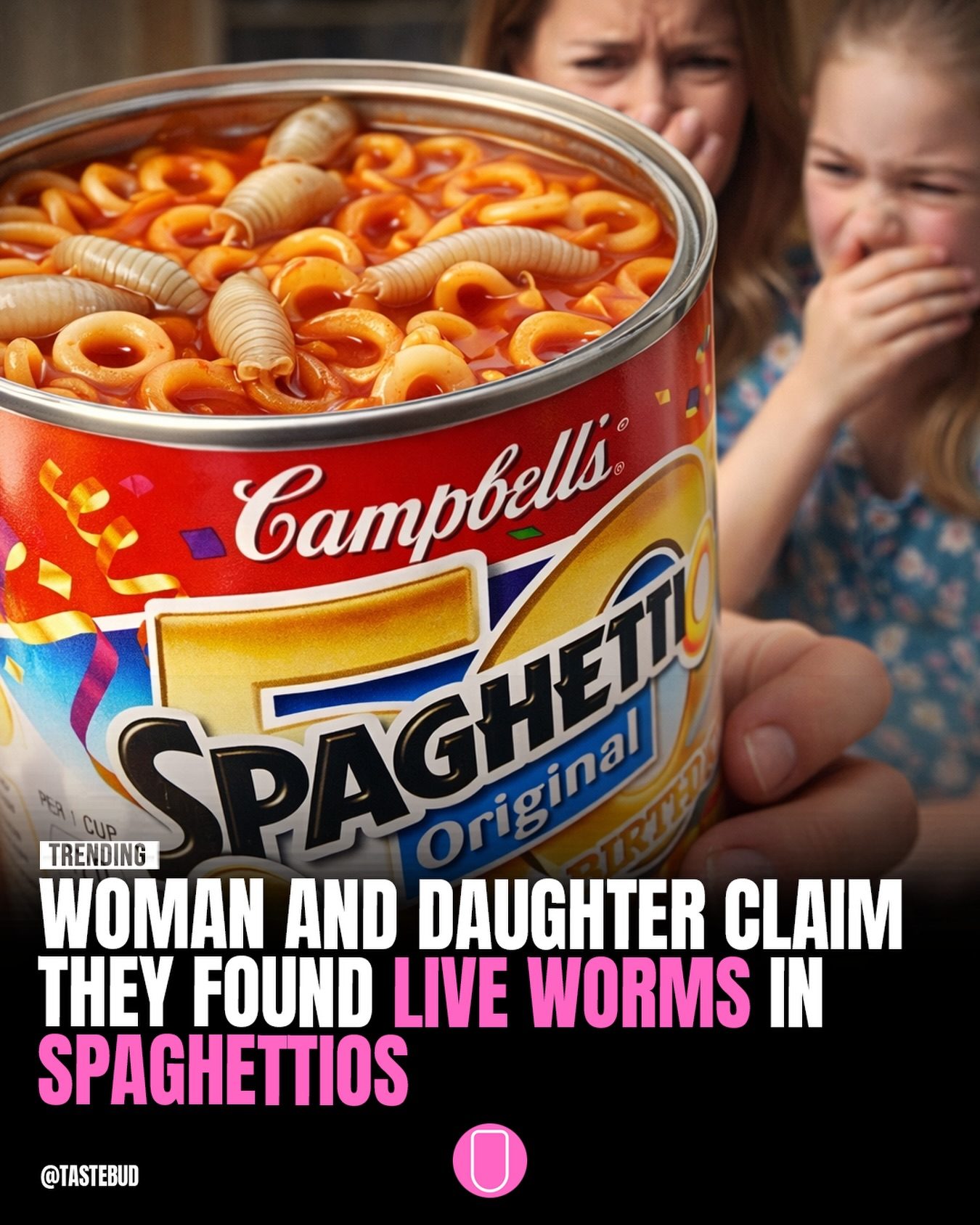
Live worms found in a can of Campbell’s Spaghetti have sparked widespread concern and questions about food safety and quality control. The disturbing discovery made by a woman and her daughter has led to a lawsuit, as the family claims they contracted parasitic infections after consuming the contaminated product. Here’s a look into the details and implications of the incident.
Context
Food contamination incidents often raise immediate questions about safety measures and regulatory standards. Contamination in canned foods is particularly alarming, as these products are typically expected to undergo rigorous quality control and sterilization processes. The presence of live worms in a can of Spaghetti, a product sold by a well-known brand like Campbell's, has caught the attention of many, prompting discussions on what safeguards are in place to prevent such incidents.
Details of the Incident
The Discovery
The claims center around a can of Campbell’s Spaghetti that contained live worms. The woman and her daughter reportedly found the worms after opening the can, which led to immediate shock and distress. The family subsequently filed a lawsuit, asserting that the contaminated product caused both physical and emotional harm.
Health Consequences
Parasitic infections resulting from food contamination can have serious health implications. Symptoms can range from mild discomfort to severe illnesses, depending on the type of parasite involved. The lawsuit highlights the devastating impact such incidents can have on individuals, emphasizing the physical and emotional distress caused by the contamination.
Parasitic Contamination
The presence of live worms in a canned product suggests potential inadequacies in the sterilization or handling processes. Parasitic contamination in canned foods is extremely rare and typically indicates a failure in quality control at some stage of production or distribution. This incident underscores the importance of maintaining strict hygiene and safety standards throughout the entire food processing chain.
Quality Control in the Food Industry
Processing and Sterilization
Canned foods undergo multiple stages of processing and sterilization to eliminate any potential contaminants. The process typically involves heating the product to high temperatures, which is intended to kill bacteria, viruses, and parasites. The presence of live worms in a can of Spaghetti suggests a breakdown in this process, raising concerns about the effectiveness of the sterilization methods used.
Regulatory Oversight
Food safety regulations are designed to ensure that products meet established standards for hygiene and quality. However, the incident with the can of Campbell’s Spaghetti highlights potential gaps in regulatory oversight. The case underscores the need for continuous monitoring and stringent enforcement of safety protocols to prevent such occurrences.
Manufacturer Responsibilities
Manufacturers play a crucial role in ensuring the safety of their products. Incidents like this not only damage the reputation of the brand but also erode consumer trust in the entire food industry. It is essential for manufacturers to invest in robust quality control measures and to remain transparent about their processes. Regular audits and independent inspections can help identify and rectify potential issues before they reach consumers.
Practical Tips for Consumers
Inspecting Canned Goods
When purchasing and handling canned goods, consumers can take several steps to minimize the risk of contamination:
- Check for Damage: Inspect cans for any signs of damage, such as dents, rust, or bulging, which can indicate potential contamination.
- Storage Conditions: Store canned goods in a cool, dry place away from heat sources and direct sunlight to maintain their integrity.
- Expiration Dates: Always check the expiration dates and avoid consuming products that are past their shelf life.
Reporting Concerns
If you suspect contamination or have experienced issues with a product, it is crucial to report it to the appropriate authorities. This can help in identifying and addressing potential safety issues, preventing others from being affected.
- Contact the Manufacturer: Reach out to the manufacturer directly to report any concerns or issues.
- Health Authorities: Inform local health authorities or regulatory bodies about the incident to ensure proper investigation and follow-up.
General Food Safety Practices
Maintaining good food safety practices at home can also help reduce the risk of contamination:
- Wash Utensils: Always wash your hands and utensils thoroughly before handling food.
- Cook Foods Properly: Ensure that food is cooked to the recommended internal temperature to kill any potential pathogens.
Important Takeaways
The incident involving the discovery of live worms in a can of Campbell’s Spaghetti highlights the critical importance of food safety and quality control. Such incidents, while rare, serve as a stark reminder of the need for stringent regulations and continuous vigilance in the food industry. For consumers, it underscores the importance of being cautious and informed about the products they consume.
Conclusion
The case involving a can of Campbell's Spaghetti containing live worms is a disturbing reminder of the potential risks associated with food contamination. Timely reporting, robust regulatory oversight, and consumer awareness are essential in preventing and addressing such incidents. Ensuring food safety is a collective responsibility that involves manufacturers, regulatory bodies, and consumers alike. By remaining vigilant and proactive, we can work towards a safer and more trustworthy food supply.
Watch the Reel
Questions readers ask
What should I do if I find live worms in canned food?
If you find live worms or any other contamination in canned food, do not consume it. Seal the can and contact the manufacturer immediately. Additionally, report the incident to your local health department. Keep the can and any evidence of contamination to aid in the investigation.
What are the potential health risks of consuming contaminated canned food?
Consuming contaminated canned food can lead to various health issues, including food poisoning and parasitic infections. Symptoms may range from mild discomfort to severe illness, depending on the type of contamination. If you suspect you have consumed contaminated food, seek medical attention promptly.
How can consumers ensure the canned goods they purchase are safe?
To minimize the risk of consuming contaminated canned goods, always check for signs of damage or swelling on cans. Purchase from reputable sources and ensure the product is still within its expiration date. Store canned goods properly and follow recommended storage guidelines.
What steps should manufacturers take to prevent such incidents?
Manufacturers should implement and maintain strict quality control measures, including regular inspections and sterilization processes. Training employees on proper handling and storage procedures is also crucial. Additionally, manufacturers should have a robust recall process in place to quickly address and resolve any contamination issues.
What is the process for filing a lawsuit against a food manufacturer for contamination?
If you believe you have contracted an illness or infection due to contaminated food, consult with a healthcare provider first. Then, gather all evidence related to the incident, including the contaminated product and any medical records. Consult with a personal injury attorney experienced in food contamination cases to discuss your legal options and the process for filing a lawsuit.
What regulations govern the safety of canned goods in the United States?
In the United States, the Food and Drug Administration (FDA) and the U.S. Department of Agriculture (USDA) oversee the safety and quality of canned goods. These agencies enforce regulations that mandate proper processing, packaging, and labeling of canned products. Any contamination incidents should be reported to these regulatory bodies for investigation.
Recent articles
Fresh deep dives from the latest Reels we unpacked.




Comments
Be the first to comment.