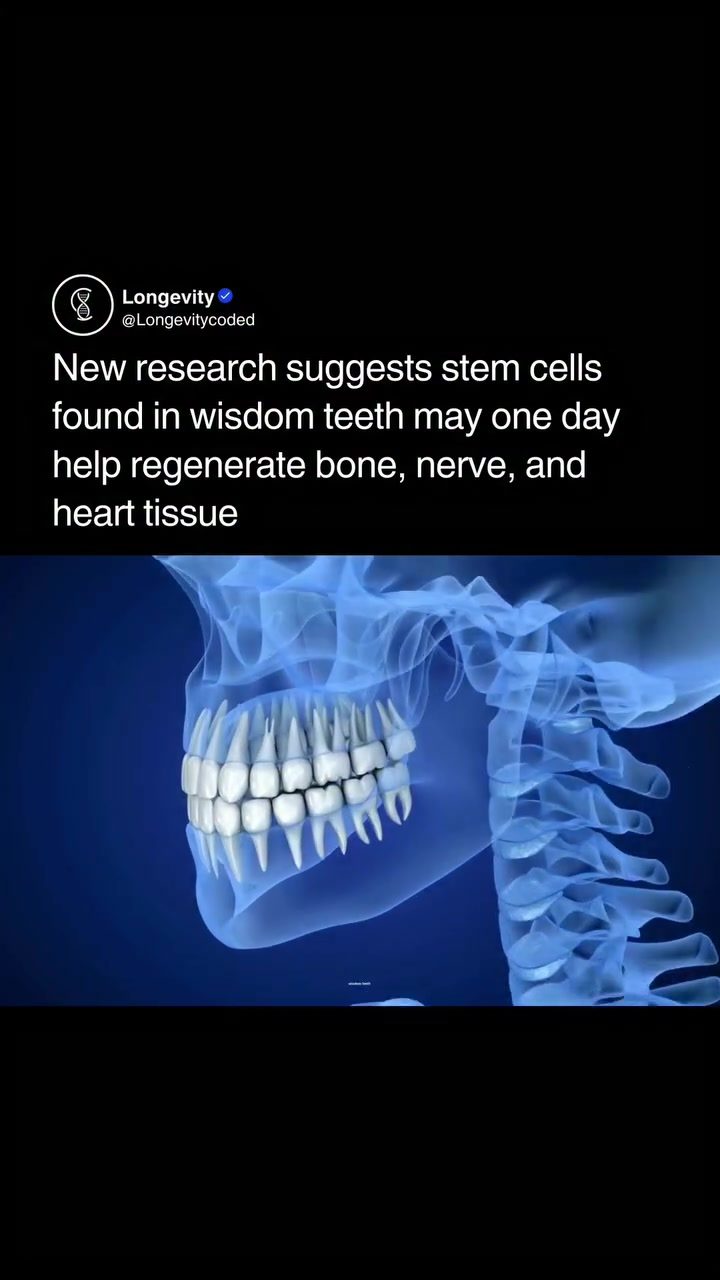
Wisdom Teeth and Stem Cell Research
Many people view wisdom teeth as unnecessary and often problematic, leading to their removal. However, recent scientific discoveries suggest that these teeth might hold more value than previously thought. The soft tissue within wisdom teeth contains stem cells that could potentially revolutionize regenerative medicine.
Why This Matters
Stem cells hold immense promise in the field of regenerative medicine. They have the unique ability to differentiate into various types of cells, making them valuable for repairing and regenerating damaged tissues. The discovery of stem cells in wisdom teeth opens up new avenues for treating a wide range of conditions, from bone and nerve injuries to heart diseases and neurological disorders.
Main Discussion
The Science Behind Wisdom Teeth Stem Cells
Wisdom teeth, also known as third molars, are the last set of teeth to erupt in the mouth, usually between the ages of 17 and 25. Traditionally, they are often removed due to impaction, crowding, or the risk of infection. Recent research, however, has revealed that the dental pulp within wisdom teeth contains mesenchymal stem cells. These stem cells have shown the ability to develop into bone, nerve, and heart-related cells in laboratory studies.
Potential Applications in Regenerative Medicine
Researchers are exploring several potential applications for wisdom tooth stem cells. The most promising areas include:
- Bone Regeneration: Stem cells from wisdom teeth could be used to repair bone defects or fractures, potentially speeding up the healing process and improving outcomes.
- Nerve Repair: Neural stem cells derived from wisdom teeth might help regenerate damaged nerve tissue, offering hope for conditions like spinal cord injuries and neurodegenerative diseases.
- Cardiac Repair: Studies have shown that stem cells from wisdom teeth can differentiate into heart muscle cells, suggesting a future role in treating heart diseases and repairing heart tissue after a heart attack.
- Brain and Spinal Cord Injuries: The potential to differentiate into nerve cells makes these stem cells a promising candidate for treating neurological conditions and spinal cord injuries.
Current Limitations and Future Prospects
While the potential benefits are exciting, it's important to note that these therapies are still in the experimental stage. No approved treatments currently use wisdom tooth stem cells to regenerate organs in humans. Researchers are still working to understand the full capabilities of these stem cells and to develop safe and effective therapies.
Several challenges need to be addressed before these treatments become widely available. These include optimizing the conditions for stem cell differentiation, ensuring the safety and efficacy of the treatments, and developing scalable methods for harvesting and storing stem cells.
Practical Tips
Given the current state of research, there are a few practical steps you can consider:
- Store Your Wisdom Teeth: If you or someone you know is having wisdom teeth removed, consider storing the teeth in a stem cell bank. This might provide a valuable resource for future medical treatments.
- Stay Informed: Keep up with the latest research on stem cell therapy. As the field advances, new opportunities for using wisdom tooth stem cells may arise.
- Consult a Healthcare Provider: If you have a condition that might benefit from stem cell therapy, discuss the possibility with a healthcare provider who can offer guidance based on the latest research and clinical trials.
Important Takeaways
Wisdom teeth, long considered a nuisance, may soon be recognized as a valuable source of regenerative medicine. The stem cells found in the soft tissue of these teeth show promise for treating a variety of conditions, from bone and nerve injuries to heart diseases and neurological disorders. While the field is still in its early stages, the potential benefits are significant, making it a worthwhile area to watch as research continues to evolve.
Conclusion
The discovery of stem cells in wisdom teeth represents an exciting development in the field of regenerative medicine. As researchers continue to explore the potential applications of these stem cells, the future of medical treatments for a wide range of conditions looks brighter. Whether you're considering having your wisdom teeth removed or are simply interested in the latest medical advancements, it's worth paying attention to this emerging field.
Watch the Reel
Questions readers ask
How are wisdom teeth linked to regenerative medicine?
Wisdom teeth contain stem cells in their soft tissue, which are crucial for regenerative medicine. These stem cells can transform into various cell types, making them useful for repairing and regenerating damaged tissues, which is the basis for new treatments.
What conditions can potentially be treated with stem cells from wisdom teeth?
Stem cells extracted from wisdom teeth can potentially help with the treatment of bone and nerve injuries, heart diseases, and neurological disorders. The versatility of these stem cells enables them to aid in repairing and regenerating various types of damaged tissues.
Why are wisdom teeth removed if they contain valuable stem cells?
Wisdom teeth are often removed due to issues like impaction, crowding, or infection. However, the recent discovery of stem cells within these teeth has led to discussions about preserving them for potential future use, rather than simply discarding them after extraction.
Can stem cells from wisdom teeth be used to regenerate heart tissue?
Yes, stem cells from wisdom teeth have the potential to regenerate heart tissue. They can differentiate into cardiac cells, which could be used to repair damaged heart tissue, making them a promising avenue for treating heart diseases.
What are the benefits of using wisdom teeth for stem cell research?
Using wisdom teeth for stem cell research provides a readily available and non-controversial source of stem cells. The extraction of wisdom teeth is a common procedure, making it a practical and ethical option for obtaining stem cells.
How do stem cells from wisdom teeth contribute to nerve damage healing?
Stem cells from wisdom teeth can differentiate into nerve cells, which makes them valuable for treating nerve damage. They can help repair and regenerate damaged nerves, potentially improving outcomes for patients with neurological disorders.
What are the main challenges in using wisdom teeth for regenerative medicine?
One of the main challenges is ensuring that the stem cells are effectively preserved and isolated during the extraction process. Additionally, further research is needed to optimize the use of these stem cells in clinical treatments and to understand their full potential in regenerative medicine.
Recent articles
Fresh deep dives from the latest Reels we unpacked.




Comments
Be the first to comment.