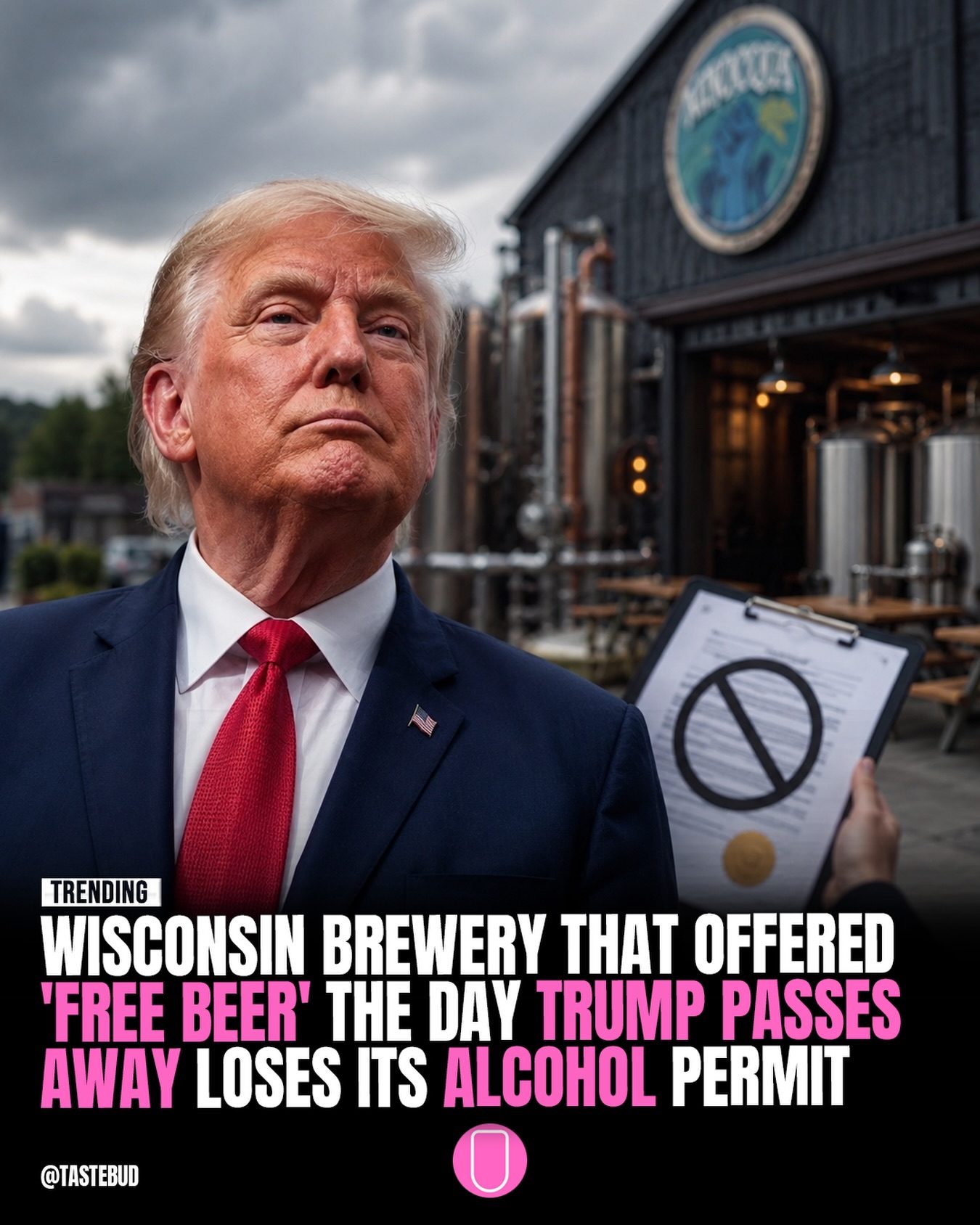
Minocqua Brewing Company Permit Revocation
Minocqua Brewing Company, a brewery in Wisconsin, is facing a significant legal challenge as state officials prepare to revoke its alcohol permits. The action stems from alleged violations, including transporting beer from Illinois without the necessary permits and unpaid alcohol taxes. This development has sparked online debates, with some critics arguing government overreach and others emphasizing the importance of adhering to regulations.
Context: Why This Matters
The ongoing saga of Minocqua Brewing Company underscores several critical issues in the alcohol industry. It highlights the complexities of interstate alcohol transport, the importance of adhering to tax regulations, and the potential consequences of public statements that attract regulatory scrutiny. Moreover, the case has broader implications for freedom of expression in business operations and the political climate that can influence regulatory actions.
Main Discussion
The Background
Minocqua Brewing Company first gained attention for its controversial promise to offer free beer on the day President Donald Trump passed away. This pledge, while controversial, was seen as a form of satirical protest by some supporters. However, it also drew criticism and scrutiny, particularly from regulatory bodies.
The Allegations
According to state officials, Minocqua Brewing Company faces permit revocation due to several alleged violations. These include:
-
Interstate Transport: The brewery is accused of transporting beer from Illinois without the required permits. Interstate alcohol transport is heavily regulated, and failure to comply can result in severe penalties, including the revocation of licenses.
-
Unpaid Alcohol Taxes: The brewery is also alleged to have failed to pay required alcohol taxes, a violation that can lead to significant legal and financial repercussions.
The Response
Owner Kirk Bangstad has publicly expressed his intent to challenge the decision in court, asserting that the action is politically motivated. This claim has ignited debates on the role of politics in regulatory decisions and the broader implications for small businesses.
Political and Legal Implications
The case has sparked debates on the intersection of politics and business regulations. Supporters of Minocqua Brewing Company argue that the regulatory actions are politically motivated, while others insist that all businesses, regardless of their political leanings, must adhere to the same regulations.
-
Political Overreach: The claim of political overreach raises questions about the fairness of regulatory actions and the potential for political bias in enforcement.
-
Regulatory Adherence: The broader issue of regulatory adherence is emphasized, as businesses are reminded of the importance of complying with interstate transport and tax requirements.
Practical Tips for Brewers
Compliance with Interstate Transport Regulations
Transporting alcohol across state lines requires compliance with both federal and state regulations. Here are some practical tips:
- Obtain Necessary Permits: Ensure that all required permits for interstate transport are in place. This often involves obtaining a federal Alcohol and Tobacco Tax and Trade Bureau (TTB) permit, as well as any state-specific permits.
- Track Shipment Details: Maintain detailed records of all shipments, including the origin, destination, and quantities transported. This can help in case of audits or inspections.
Ensuring Tax Compliance
Tax compliance is crucial for any business, but it is particularly important in the alcohol industry due to the strict regulations and high tax rates. Here are some tips:
- Understand Tax Obligations: Be aware of all tax obligations, including federal excise taxes, state sales taxes, and any local taxes.
- Regular Audits: Conduct regular internal audits to ensure that all tax payments are up-to-date and accurate. Consider hiring a tax professional to review your records and ensure compliance.
- Timely Payments: Ensure that all tax payments are made on time to avoid penalties and interest.
Important Takeaways
The Necessity of Compliance
The case of Minocqua Brewing Company underscores the necessity of strict compliance with regulations, particularly in the alcohol industry. Failure to adhere to interstate transport and tax requirements can result in severe consequences, including the revocation of permits.
The Impact of Public Statements
Public statements and controversial business practices can attract regulatory scrutiny. Businesses, especially small ones, must be mindful of the potential repercussions of such actions.
The Role of Politics
The debate surrounding the Minocqua Brewing Company case highlights the role of politics in regulatory actions. While some argue that the decision is politically motivated, others emphasize the importance of consistent regulatory enforcement.
Conclusion
The situation at Minocqua Brewing Company serves as a stark reminder of the importance of regulatory compliance in the alcohol industry. From adhering to interstate transport regulations to ensuring tax compliance, businesses must navigate a complex web of legal and financial obligations. Furthermore, the case illustrates the delicate balance between freedom of expression and the potential for regulatory backlash. By understanding and adhering to the regulations, brewers can avoid similar pitfalls and operate more successfully in the competitive beer market.
Watch the Reel
Questions readers ask
What specific violations has Minocqua Brewing Company been accused of?
Minocqua Brewing Company is facing allegations of transporting beer from Illinois to Wisconsin without the required permits and failing to pay alcohol taxes. These breaches of regulations have led state officials to consider revoking the brewery's alcohol permits.
How has the public reacted to the potential permit revocation of Minocqua Brewing Company?
The public reaction has been mixed, with some individuals criticizing what they perceive as government overreach, while others emphasize the importance of complying with regulatory requirements. The controversy has sparked online debates about regulation and business operations.
What are the implications for the alcohol industry in Wisconsin?
The situation highlights the importance of strict adherence to regulations and the intricacies of interstate alcohol transport. It also underscores the potential consequences for breweries that fail to comply with tax obligations and transport regulations.
What role does freedom of expression play in this controversy?
The controversy has raised questions about the freedom of expression for businesses. Some argue that the brewery's public statements have contributed to the scrutiny and possible permit revocation, adding a layer of complexity to the debate.
How might this controversy impact other breweries in Wisconsin?
Other breweries in Wisconsin may face increased scrutiny and stricter enforcement of regulations, especially regarding interstate transport and tax payments. This could lead to more cautious business practices across the industry.
What are the potential consequences for Minocqua Brewing Company if its permit is revoked?
If the permit is revoked, Minocqua Brewing Company could face significant operational challenges, including the inability to sell alcohol. The brewery might also incur legal and financial penalties, potentially leading to a reshaping of its business model or even closure.
How do interstate transport regulations affect Wisconsin breweries?
Interstate transport regulations require breweries to obtain specific permits for transporting alcohol across state lines. Failure to comply can result in severe penalties, including permit revocation, which has been a significant factor in the controversy surrounding Minocqua Brewing Company.
Related deep dives
Similar reads based on topic and creator.


Recent articles
Fresh deep dives from the latest Reels we unpacked.




Comments
Be the first to comment.