Wire Bonding: The Precision Art of Connecting Microchips
Inside the intricate world of microchip manufacturing, a sophisticated process ensures that silicon chips can interact with the outside world. This process, known as wire bonding, is a critical step in creating functional electronics. Wire bonding involves connecting tiny wires to the microchip's pads, allowing electricity to flow in and out, but it's not as simple as soldering.
Why This Matters
Understanding wire bonding is essential for anyone interested in the inner workings of modern electronics. As technology advances, the demand for smaller, more efficient chips increases, and wire bonding is a key enabler of this progress.
The Wire Bonding Process
The Challenges with Silicon Chips
Silicon chips are incredibly fragile. They are made from silicon, a material that can easily be damaged by heat or physical force. This fragility poses a significant challenge when it comes to connecting wires to the chip. For example, traditional soldering methods, which involve melting a metal alloy to join components, can generate too much heat and destroy the delicate electronics.
One of the challenges of connecting wires to silicon chips is the need to avoid damaging the chip itself. Traditional soldering methods can generate too much heat and destroy the delicate electronics. To overcome this issue, manufacturers use a more precise and controlled process called wire bonding.
The Mechanics of Wire Bonding
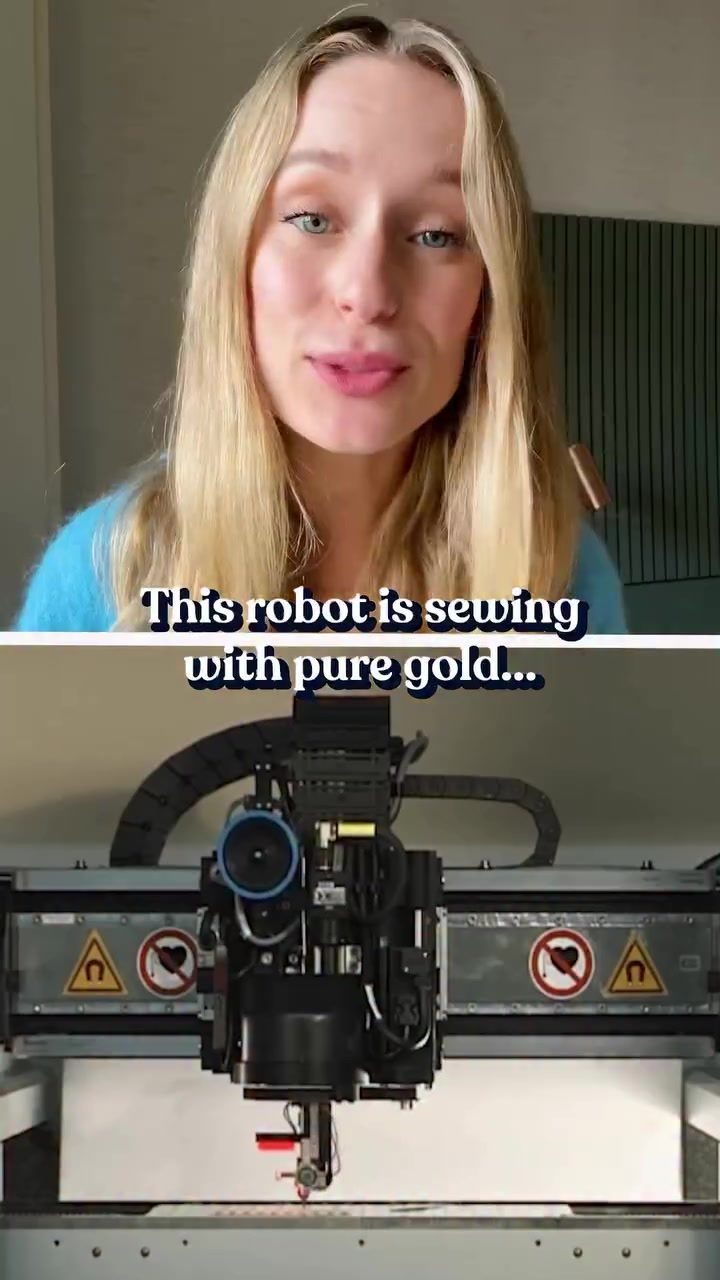
Wire bonding is essentially the world's most precise sewing machine ever built. It feeds a 99.99% pure gold wire through a ceramic needle called a capillary. This needle is used to create a connection between the wire and the chip.
The process begins with an electric spark that melts the tip of the wire into a ball. This ball is then pressed onto the chip's pad. But here's where the real magic happens: the connection cannot be melted, and glue is definitely out of the question. Instead, the machine uses ultrasonic vibration to rub the gold against the chip. This high-speed rubbing scrubs away the surface oxidation and fuses the metals at the atomic level, effectively creating a cold weld using friction.
The Speed and Precision
The speed at which this process occurs is astonishing. The bond head pulls up to 100 Gs of acceleration, which is ten times more force than a fighter jet pilot feels. If the machine is off by just a few microns, the chip is rendered useless. This level of precision is crucial for the functionality of the chip.
The Role of Ultrasonic Vibration
Ultrasonic vibration plays a pivotal role in wire bonding. It generates high-frequency vibrations that create friction between the gold wire and the chip. This friction is so intense that it scrubs away the surface oxidation, allowing the metals to fuse at the atomic level. This process is known as cold welding because it does not involve heat. Instead, it relies on the mechanical energy of the ultrasonic vibrations to create a strong, reliable bond.
The Engineering Behind It
The engineering behind wire bonding is indeed incredible. It involves precise control over the movement of the bonding head, the application of ultrasonic vibrations, and the handling of the delicate microchips. The machine must be calibrated to ensure that the bond is strong enough to conduct electricity but gentle enough not to damage the chip.
Practical Tips
When it comes to wire bonding, professionals focus on several key factors:
Temperature Control
While wire bonding does not involve melting the connection, temperature control is still crucial. The process must occur within a specific temperature range to ensure that the materials behave as expected.
Precision Alignment
Precision alignment is vital in wire bonding. The bonding head must be aligned perfectly with the chip's pads to ensure a strong, reliable connection.
Speed and Force
The speed and force applied during the bonding process are critical. The bond head must move at high speeds and with significant force to create a reliable bond, but it must also be controlled to prevent damaging the chip.
Cleanliness
Cleanliness is paramount in wire bonding. Any impurities or contaminants on the chip or the wire can interfere with the bonding process, leading to a weak or unreliable connection.
Important Takeaways
Wire bonding is a critical process in the manufacture of microchips. It involves connecting tiny wires to the chip's pads, allowing electricity to flow in and out. The process requires precision, speed, and control to ensure that the connection is strong and reliable without damaging the delicate silicon chip.
The Future of Wire Bonding
As technology continues to advance, the demand for smaller, more efficient chips will only increase. Wire bonding will play a crucial role in meeting this demand. Innovations in wire bonding technology, such as improved precision and faster processing times, will be essential for the future of electronics.
Conclusion
Wire bonding is a fascinating and complex process that lies at the heart of modern electronics. It enables the intricate connections that make microchips functional, all while navigating the challenges posed by the fragility of silicon. As we continue to push the boundaries of technology, wire bonding will remain a critical component in the manufacture of the devices that power our world.
Watch the Reel
Questions readers ask
What is the purpose of a gold wire in the wire bonding process?
The gold wire is used in the wire bonding process to create a reliable electrical connection between the microchip and its external circuitry. Gold is favored due to its excellent conductivity, corrosion resistance, and malleability, which allows it to be formed into very fine wires suitable for the intricate bonding process.
What is the role of a ceramic needle in wire bonding?
A ceramic needle, also known as a capillary, is used to guide and shape the gold wire during the bonding process. It applies controlled pressure and heat to form a secure bond between the wire and the microchip's pads without causing any damage to the delicate silicon surface.
Why is wire bonding considered a precise process in microchip manufacturing?
Wire bonding is considered precise because it involves handling and bonding extremely fine wires, often as thin as a human hair, to miniature pads on a silicon chip. This process requires advanced machinery, meticulous control, and skilled operators to ensure the bonds are secure and the chips remain unharmed.
Can other materials besides gold be used for wire bonding?
While gold is the most common material for wire bonding due to its beneficial properties, other materials like copper and aluminum can also be used. However, these alternatives may require different bonding techniques and have distinct advantages and disadvantages compared to gold.
What are the key challenges in the wire bonding process?
The key challenges in wire bonding include handling the extremely small components involved, ensuring the bonds are secure and reliable, and maintaining the integrity of the delicate silicon chip. Additionally, the process must be efficient to keep up with the high demands of modern electronics manufacturing.
Related deep dives
Similar reads based on topic and creator.


Recent articles
Fresh deep dives from the latest Reels we unpacked.




Comments
Be the first to comment.